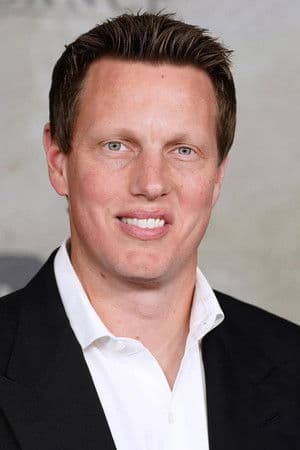
The house that Batman built now belongs to the family that built Skydance. In a move that has been rumored, whispered about, and speculated on for what feels like forever, Paramount's acquisition of Warner Bros. has officially closed, and with it, David Ellison has cemented his status as one of the most powerful figures in Hollywood. The deal, which merges two of the oldest and most storied studios in Tinseltown, doesn't just reshape the corporate landscape - it essentially hands the keys to the Warner Bros. kingdom to the son of a billionaire who has spent the last decade proving he isn't just playing with his father's money.
A Studio Empire, Assembled in Real Time
Let's take a step back and appreciate the sheer scale of what just happened. Warner Bros. isn't just any studio. It's the home of Batman, Harry Potter, and a century of cinematic history. Paramount, meanwhile, is the mountain with the stars and the studio that gave us everything from The Godfather to Mission: Impossible. Combining these two isn't like merging two streaming services - it's like merging two universes. And sitting at the top of the newly formed mountain is Ellison, who has transformed from a relatively niche producer (remember True Grit and World War Z?) into the guy who now controls a massive chunk of the entertainment industry's most valuable intellectual property.
For Ellison, this is the culmination of a strategy that started when he took over Skydance Media and turned it into a production powerhouse. He didn't just produce movies - he produced franchises. Mission: Impossible? That's Skydance. Star Trek? Also Skydance, at least in recent years. The guy knows how to manage big-budget tentpoles, and now he has access to the biggest tentpole factory of them all.
What This Means for the Industry (and Your Streaming Queue)
The immediate question everyone in Hollywood is asking: what happens now? Mergers of this size always come with casualties - layoffs, consolidation, and the inevitable "synergy" buzzwords that make studio employees nervous. But for audiences, the more interesting question is what this means for the content itself. Warner Bros. Discovery's streaming strategy has been a bit of a rollercoaster, to put it kindly. Under Ellison and Paramount, there's a real chance we see a more cohesive approach to how these massive libraries - HBO, Warner Bros. Pictures, CBS, Paramount+, and everything in between - are packaged and delivered to viewers.
There's also the creative angle. Ellison has shown a willingness to bet big on filmmakers and franchises. He's not a meddler in the traditional studio-mogul sense, at least not publicly. If anything, he's been a champion of letting creatives do their thing while he handles the business. That could be good news for the many, many projects currently in development across both studios. Or it could mean a lot of "we're pausing this to evaluate the portfolio" emails. Time will tell.
The Mogul Era, Rebooted
Here's the thing that makes this story so fascinating: David Ellison isn't a legacy studio boss in the traditional mold. He didn't grow up in the boardrooms of Warner Bros. or Paramount. He grew up the son of Larry Ellison, the Oracle founder who briefly owned a chunk of Paramount himself. David made his own way in Hollywood, first as a producer, then as a tech-forward executive who understood that streaming wasn't just a distribution channel - it was a whole new way of thinking about content. Now he's running the show at a combined studio that has more history, more IP, and more pressure than almost any other entity in the business.
This takeover also signals a broader shift in Hollywood's power structure. The old guard - the Redstones, the Murdochs, the traditional studio chiefs - are increasingly giving way to a new generation of tech-adjacent moguls who see entertainment as part of a larger ecosystem. Ellison fits that mold perfectly. He's not just in the movie business. He's in the content business, and that distinction matters more than ever.
The Bottom Line
So what's the takeaway? David Ellison just became one of the most important people in entertainment. The Paramount-Warner Bros. merger gives him control of an astonishing array of franchises, a massive streaming footprint, and a seat at every table that matters in Hollywood. Whether this turns out to be a masterstroke or an overreach depends on what he does next. But one thing is certain: the era of the mega-mogul is back, and David Ellison is leading the charge. Grab some popcorn - this is going to be a wild ride.
Source: The New York Times