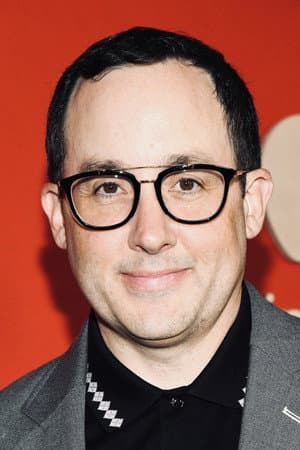
P.J. Byrne has spent the better part of two decades being the guy you recognize instantly but can't always name - and he's made peace with that, mostly because the work keeps coming. The character actor, whose résumé includes memorable turns in "The Wolf of Wall Street," "Horrible Bosses," "The Boys," and a recurring spot in the "Final Destination" franchise, has quietly built one of the most dependable careers in Hollywood without ever anchoring a franchise of his own. His latest project, "How I Play Rocky," puts him front and center in a story about the strange mechanics of ambition, and it's the kind of role that finally lets Byrne stretch the muscles his fans have always suspected were there.
The Long Game of Being Recognizable
Byrne's career arc reads like a case study in patience. He didn't arrive in Los Angeles with a splashy breakout; he arrived with a theater background, a sharp comic instinct, and an ability to disappear into whatever flavor of sleaze, blowhard, or lovable doofus a script required. That versatility is precisely why casting directors keep his number handy. Need an obnoxious finance bro with three lines? Byrne. Need a corrupt small-town official who steals every scene he's in? Byrne again.
It's a career path that doesn't generate magazine covers, but it does generate steady employment - and in an industry where most actors spend years clawing toward one good credit, Byrne has stacked dozens. The typecasting trap that swallows so many character actors never quite caught him, partly because he refuses to play the same note twice. A Byrne villain and a Byrne sidekick share a certain manic energy, but they're never interchangeable. That range is the whole point.
What "How I Play Rocky" Brings Out
The new project shifts Byrne into more emotional territory than fans of his comedic work might expect. Without giving away plot mechanics, the role leans on the quieter, more melancholic register he's shown only in glimpses - the kind of performance that reminds you the funny guys are usually the ones who understand sadness best. It's the sort of part that can reframe a career, or at least make casting directors see him differently.
Byrne has spoken in the past about approaching every small role as if it were the lead, a philosophy that sounds like press-junket boilerplate until you watch him work. He builds backstories for characters who get four minutes of screen time. He finds the one physical tic that makes a minor figure stick in your memory. That discipline is the reason he's become a go-to - not because he's cheap or easy to schedule, but because directors know he'll deliver something better than what's on the page.
Why Hollywood Keeps Calling
There's a practical logic to the Byrne phenomenon. Big stars carry marketing weight, but ensemble scenes live or die on the supporting players around them. A movie with a weak bench feels hollow no matter how famous its lead. Byrne is the bench. He's the guy who makes the star look good, who sells the joke, who grounds the absurd premise in something recognizably human.
That reliability has made him a favorite of directors who work fast and need actors who arrive prepared. He's reportedly the type to show up with pages of notes, ready to try six different reads before lunch. In an era when productions are squeezed tighter than ever, that professionalism is worth its weight in gold - and it explains why his filmography reads like a rolodex of the last fifteen years of mainstream Hollywood.
The Character Actor's Moment
The industry's relationship with character actors has shifted. Streaming platforms need recognizable faces to populate sprawling series, and audiences have grown more appreciative of the craft behind the supporting turn. Actors like Byrne - and the many who share his career shape - are no longer invisible infrastructure. They're the reason people press play.
"How I Play Rocky" arrives at a moment when that appreciation is at a peak, and Byrne seems genuinely energized by the chance to show what he can do with more room to breathe. Whether the project becomes a turning point or simply another strong entry in a long, sturdy list, it's a reminder that the actors who make a career out of being everywhere are often the ones holding the whole thing together. P.J. Byrne has been doing that for years. It's about time the spotlight found him.
Source: The Hollywood Reporter