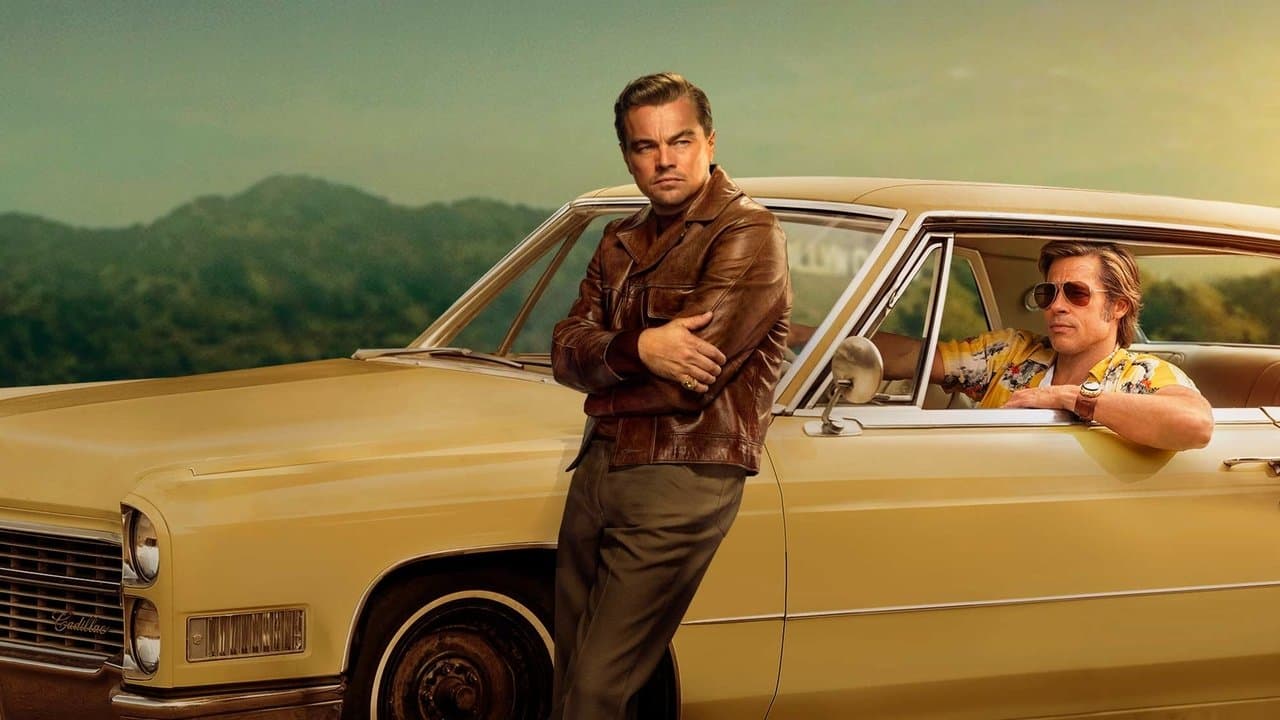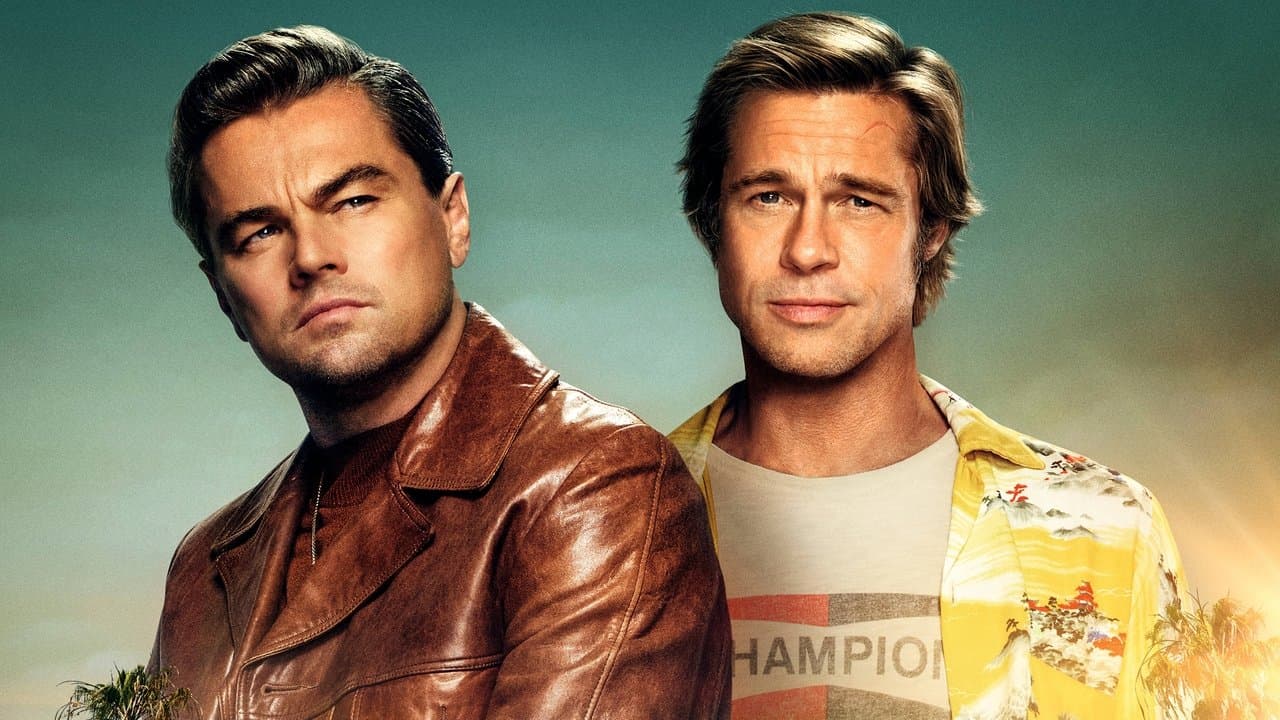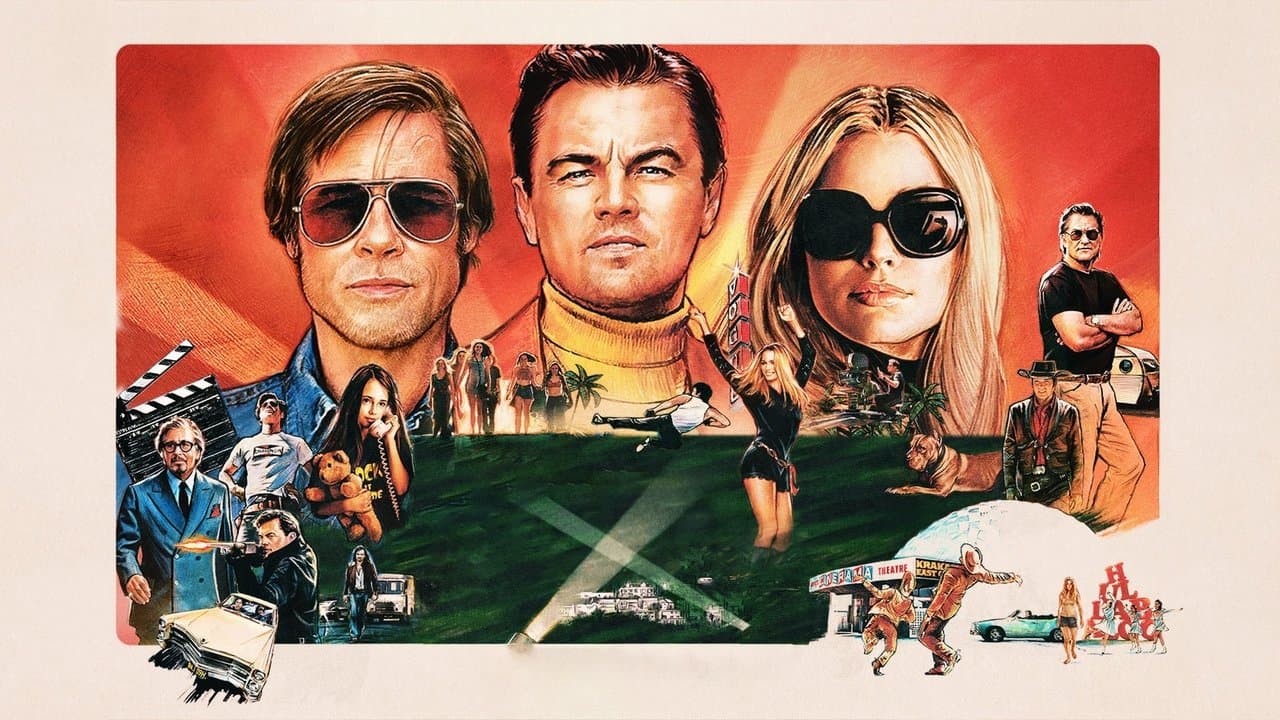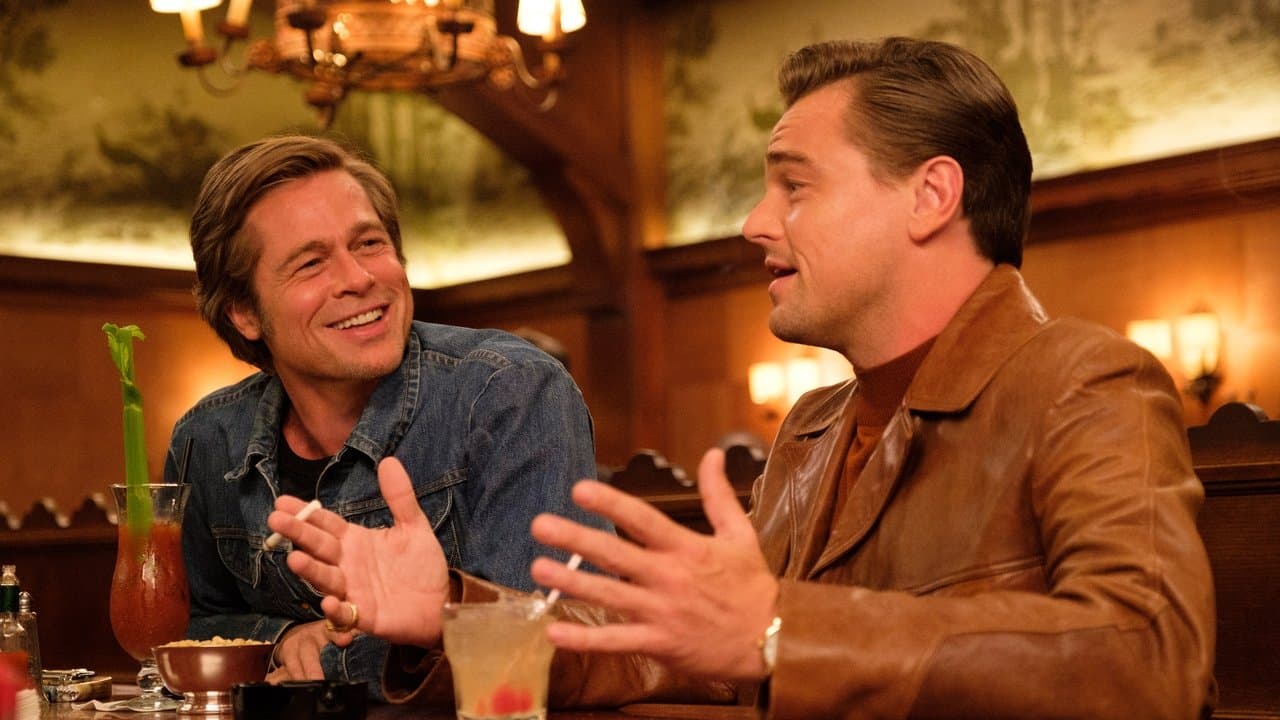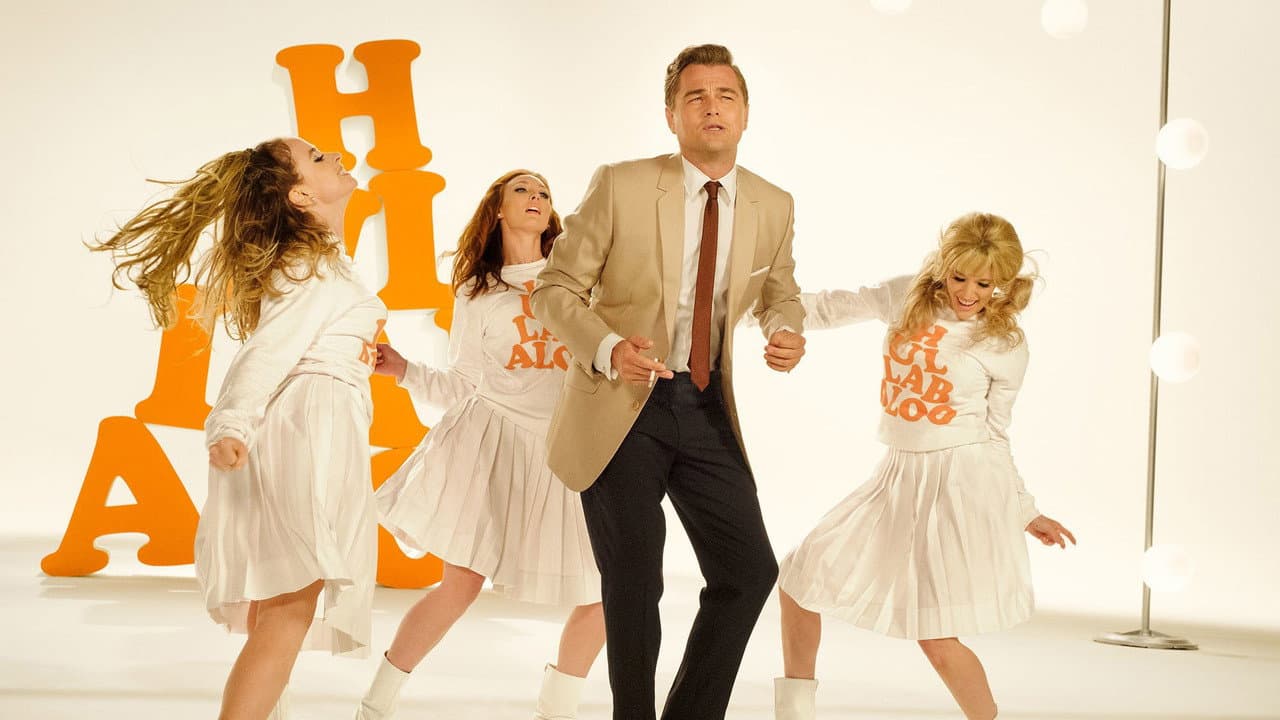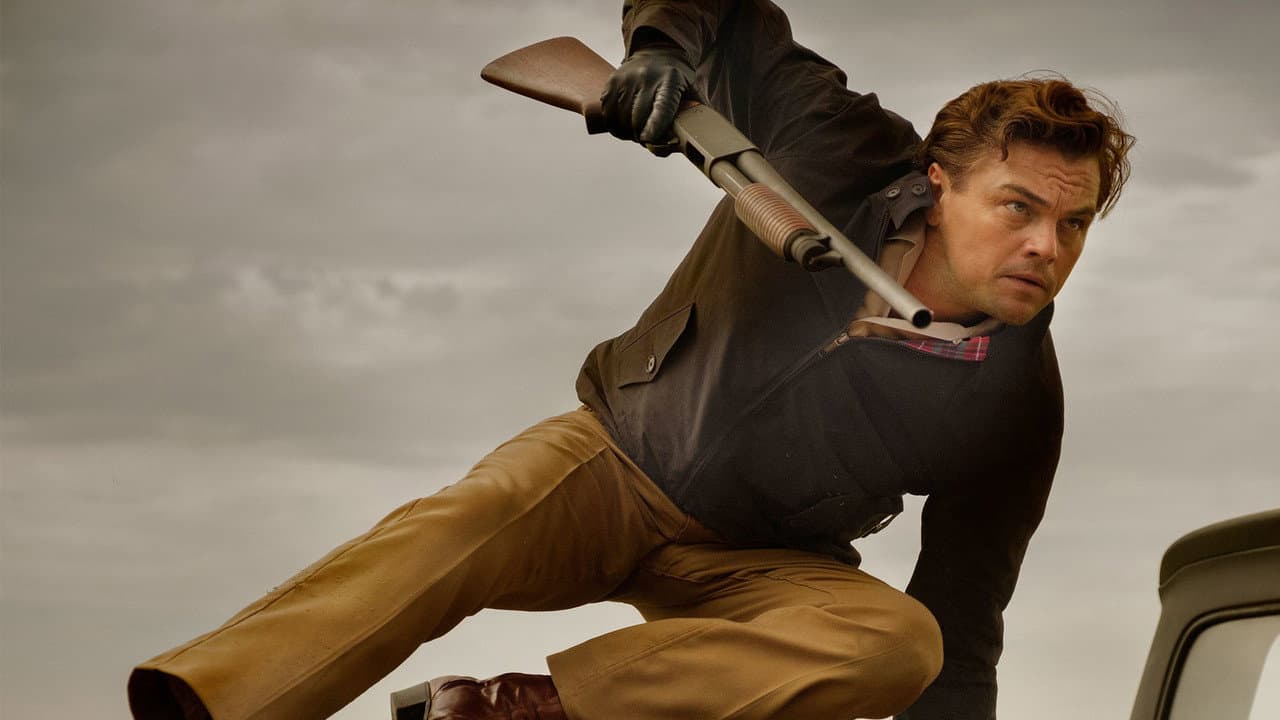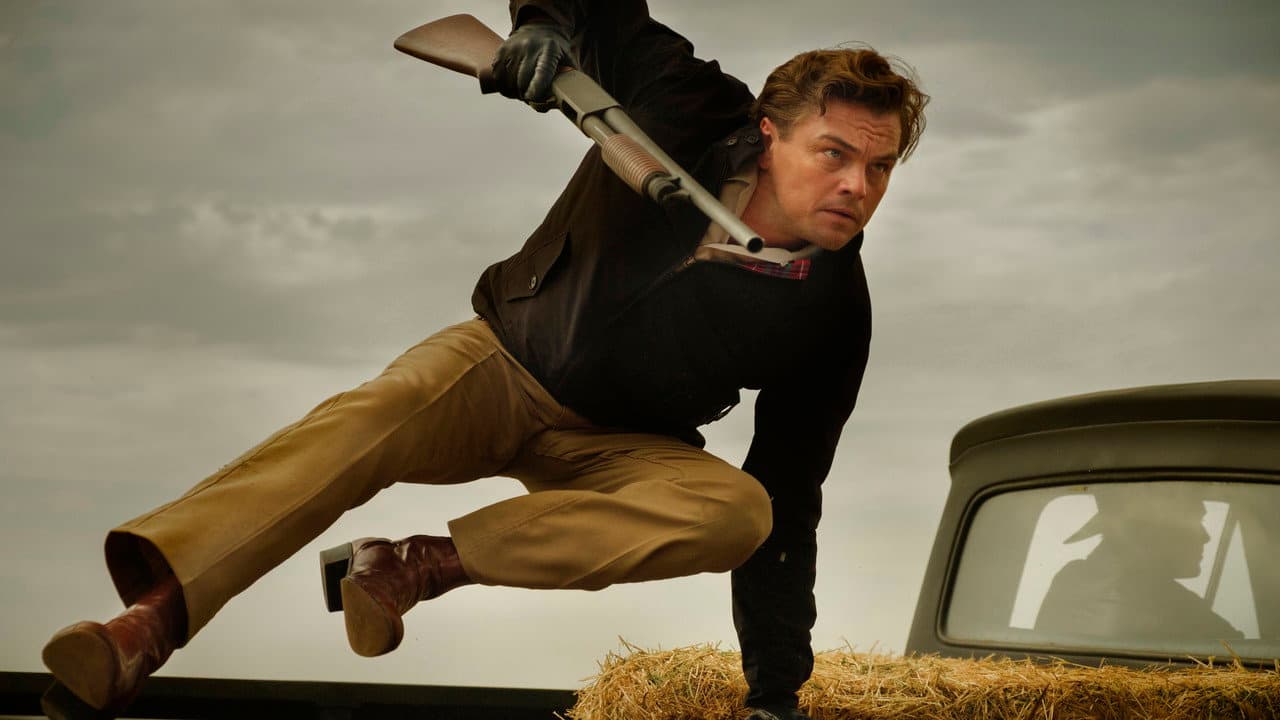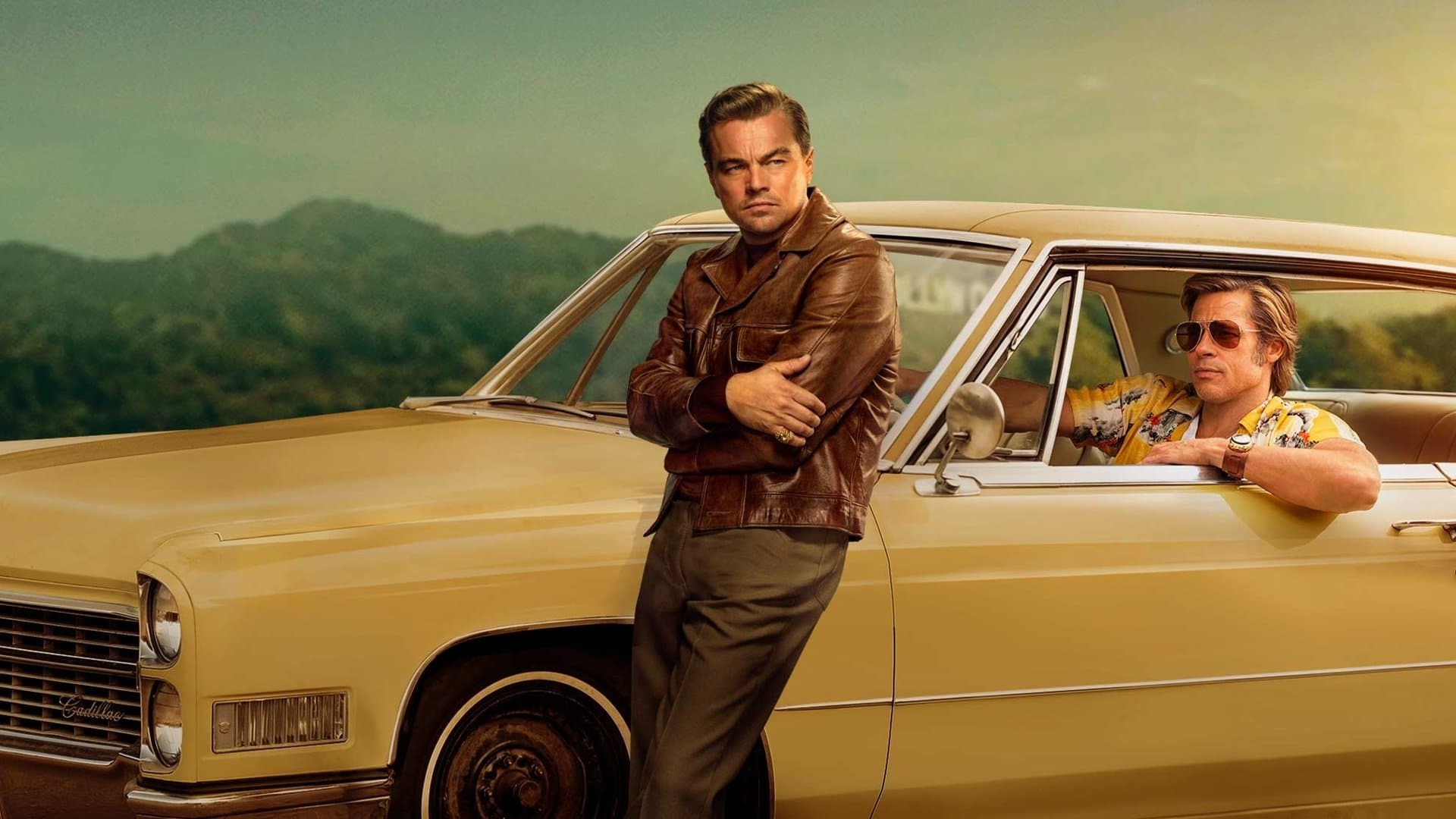
Seven years after Quentin Tarantino's love letter to 1969 Los Angeles first hit theaters, "Once Upon a Time in Hollywood" is heading back to the big screen - this time in IMAX. The 2019 comedy-drama-thriller, which stars Leonardo DiCaprio, Brad Pitt and Margot Robbie, will get a large-format revival, giving fans another chance to soak in all that sun-baked Tinseltown nostalgia on a screen the size of a Hollywood billboard. For anyone who missed it the first time, or for devotees eager to catch every period detail blown up to towering proportions, this is the kind of re-release that feels tailor-made for the format.
The film, which runs 162 minutes, remains one of the most distinctive entries in Tarantino's filmography. Set in Los Angeles in 1969, it follows Rick Dalton (DiCaprio), a television star whose Western heyday is fading fast, and Cliff Booth (Pitt), his loyal stunt double and best friend, as the two navigate a movie industry that's changing under their feet. Complicating the picture - and anchoring the story in real history - is Dalton's neighbor Sharon Tate (Robbie), the young actress and model who has just married celebrated Polish director Roman Polanski. The movie unfolds against the backdrop of a Hollywood caught between the old studio system and a new, restless counterculture.
A Cast That Reads Like a Guest List at the Chateau Marmont
Part of what makes the film such a rewatchable pleasure is its sheer density of characters. Beyond the central trio, the cast includes Emile Hirsch as Jay Sebring, Margaret Qualley as the free-spirited 'Pussycat', Timothy Olyphant as Jim Stacy, Julia Butters as the precocious young actor Trudi Fraser, and Austin Butler as 'Tex'. That's a lot of talent packed into one sprawling Los Angeles story, and the IMAX treatment should give audiences a fresh appreciation for how much texture Tarantino and his ensemble cram into every scene.
The movie's reputation has held steady since its July 2019 release, carrying a TMDb rating of 7.416 out of 10. It's a title that divides some viewers and delights others, but few would argue it lacks ambition. Blending comedy, drama and thriller elements, it's the kind of genre-defying project that only Tarantino could get away with - and that IMAX screens seem built to showcase.
Why the IMAX Treatment Makes Sense
There's a certain logic to bringing this particular film back in a premium format. "Once Upon a Time in Hollywood" is, at heart, a movie about movies - about the craft, the egos, the friendships and the sheer luck of surviving in an industry that never stops reinventing itself. Watching it on an IMAX screen turns the experience into something closer to a pilgrimage for film lovers. The period-perfect production design, the cruising-car sequences, the neon-lit boulevards and the dusty Western sets all gain a new dimension when projected at that scale.
For Tarantino loyalists, the re-release is also a chance to revisit the performances that made the film a talking point. DiCaprio's Rick Dalton is a bundle of insecurity and bravado, Pitt's Cliff Booth is a laconic counterweight, and Robbie's Sharon Tate brings a warm, luminous presence to the story. Seeing those turns again on a massive canvas - with the sound turned up - is the sort of event that reminds audiences why the theatrical experience still matters.
A Revival for the Faithful and the Curious
Not everyone caught "Once Upon a Time in Hollywood" during its original run, and seven years is long enough for a new generation of moviegoers to discover it. The IMAX return offers a low-stakes entry point for the curious and a victory lap for the converted. It also fits neatly into a broader trend of studios giving acclaimed titles a second life on premium screens, betting that audiences will pay for spectacle they can't replicate at home.
Whether you're there for the hangout vibes, the Hollywood history, or simply the chance to see Brad Pitt drive around Los Angeles on a screen bigger than your house, the revival delivers. Tarantino's ninth film remains a shaggy, affectionate, occasionally audacious ride through a pivotal moment in American pop culture - and it's about to get a whole lot bigger.
Source: Dark Horizons