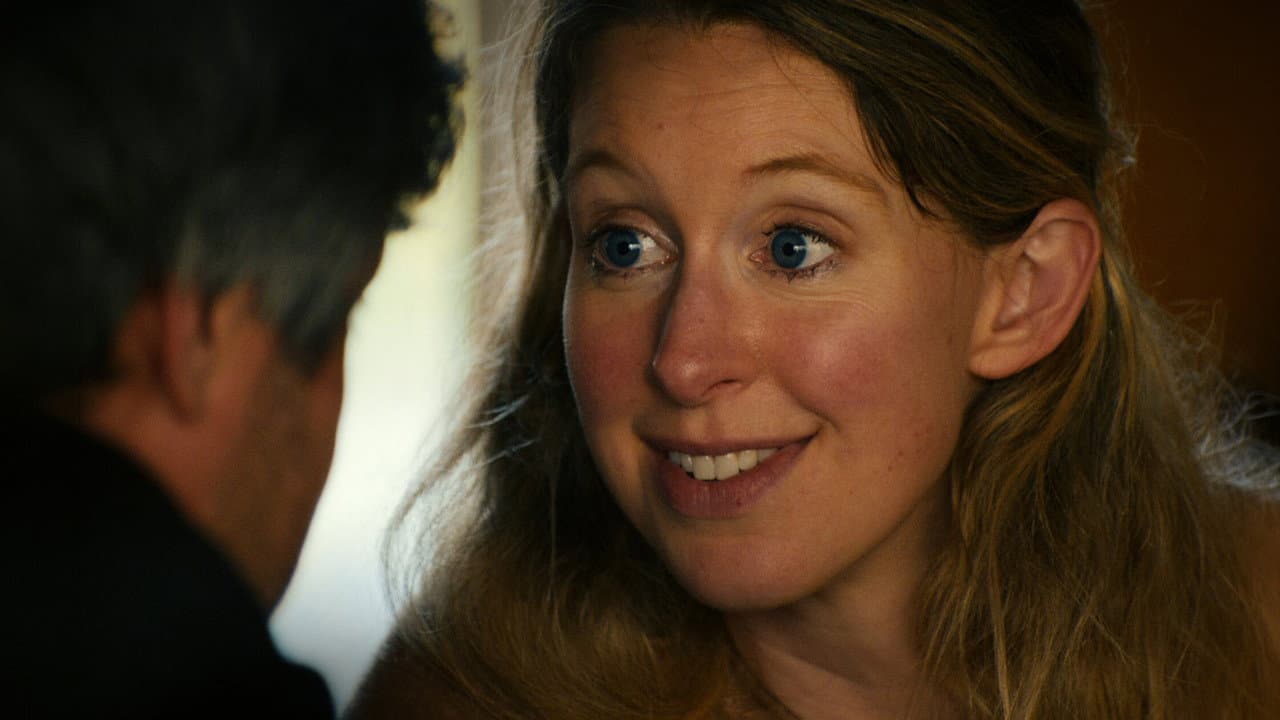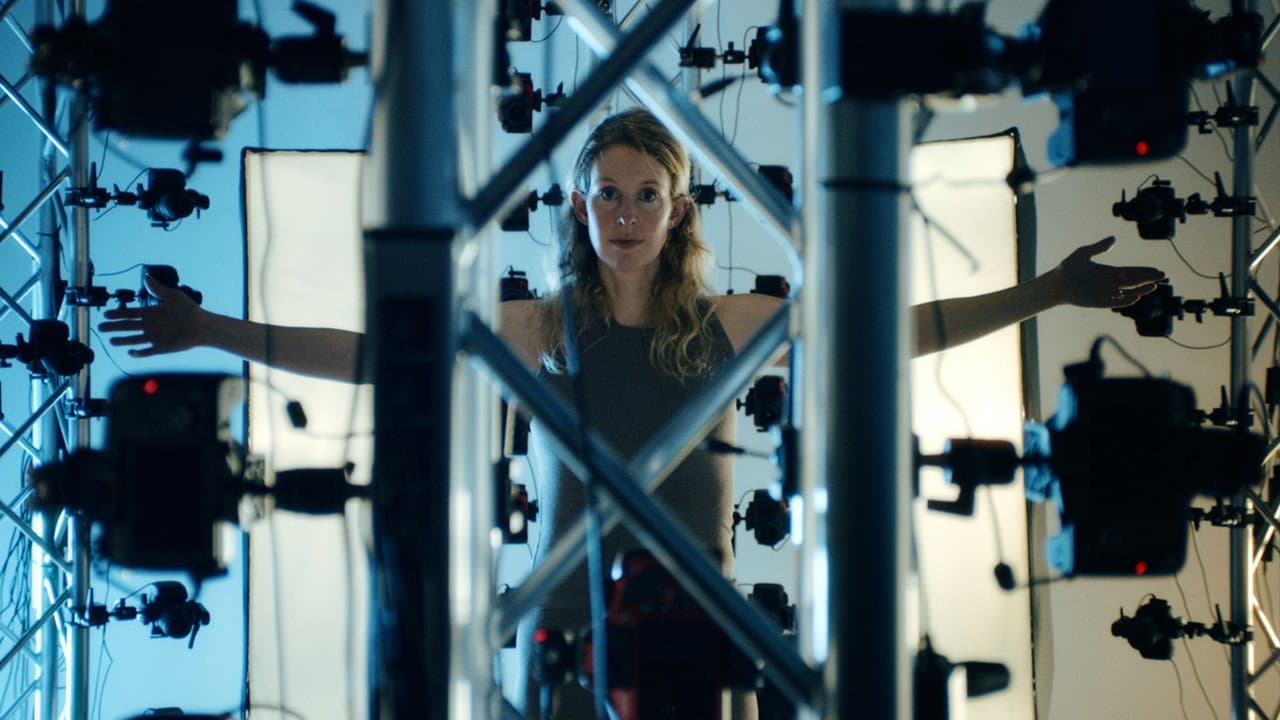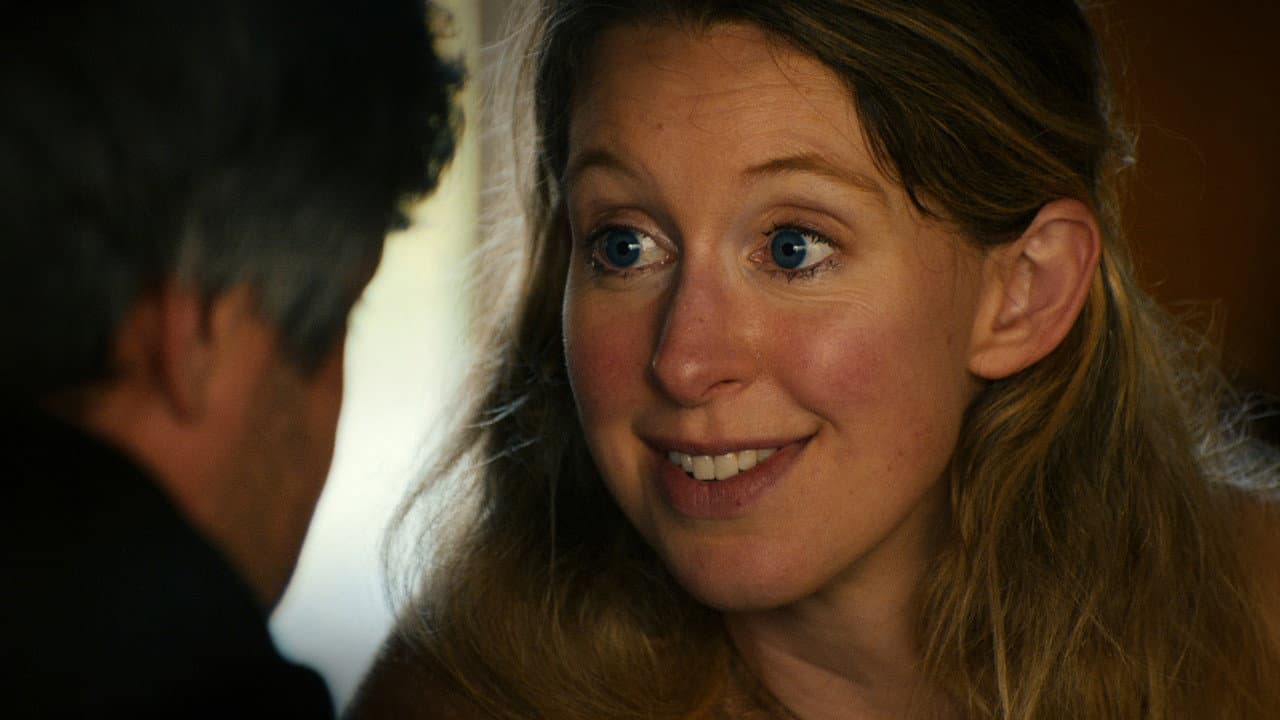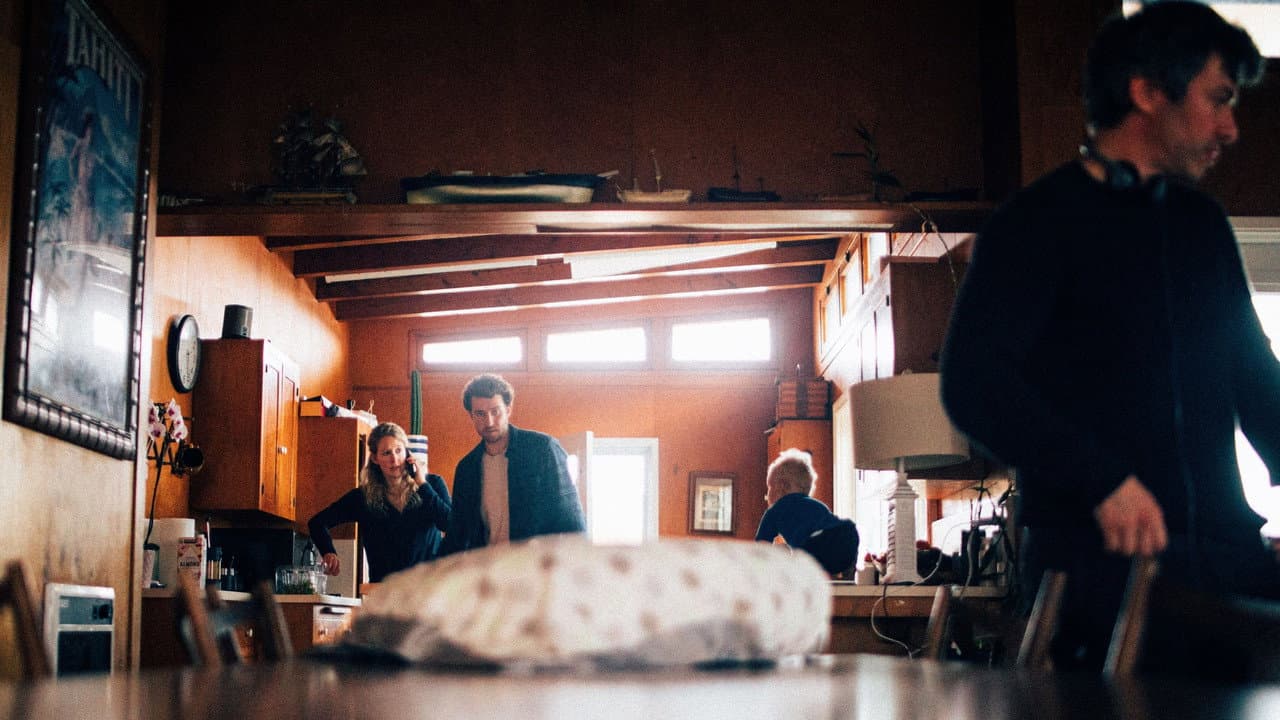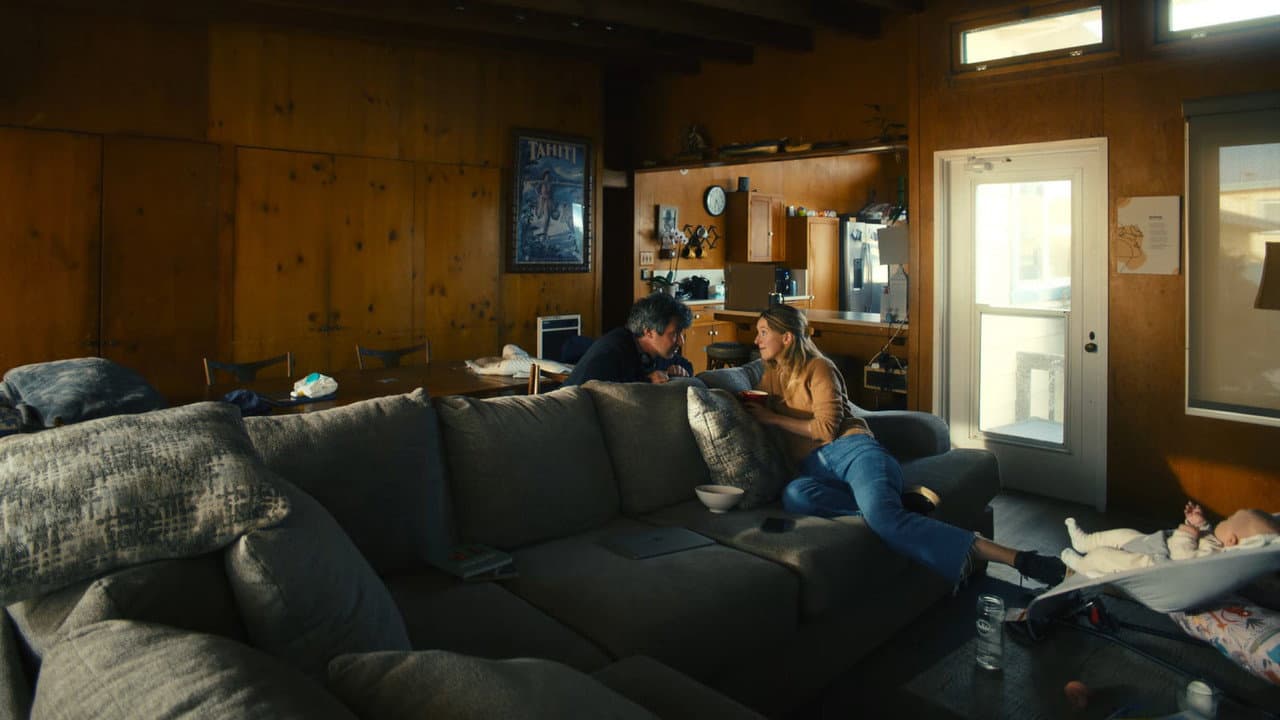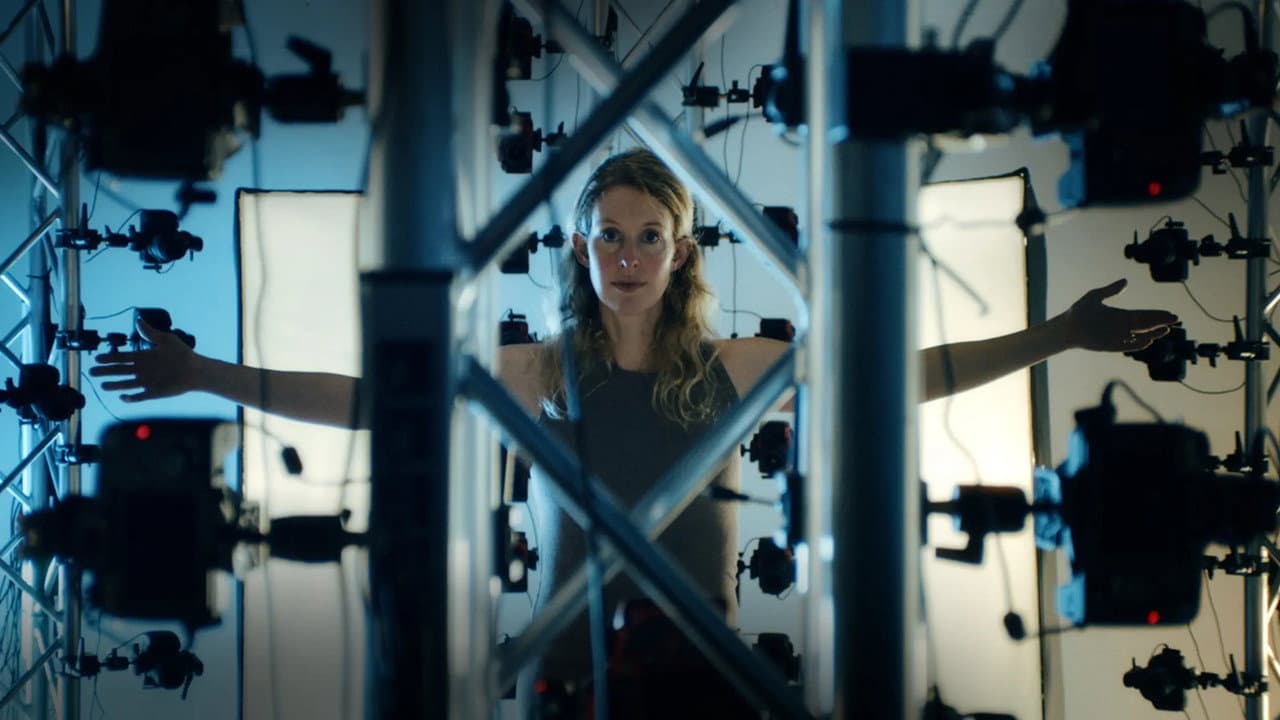
Nathan Fielder has spent his career making people squirm in the most fascinating ways possible. But his latest project might be his most audacious yet. "You Can See Everything," a 174-minute documentary that hit theaters on October 16, takes viewers on a genuinely unhinged ride through the final weeks of one of Silicon Valley's most infamous figures. The film follows Elizabeth Holmes as she prepares for prison, inviting a film crew to capture her every move in the thirty-four days before she's due to report. What could have been a straightforward damage-control documentary instead morphed into something far stranger over three years of filming.
The premise alone sounds like fiction. A notorious founder, freshly convicted, decides the best move is to let cameras roll on her intimate moments. Fielder, serving as director, brings his signature deadpan curiosity to the proceedings - but the film's real magic lies in how it keeps shifting under the audience's feet. Just when you think you've got a handle on what you're watching, "You Can See Everything" pulls another rug out. Oppenheim, who appears on-screen alongside Fielder, helps navigate the increasingly bizarre territory the project wanders into.
Twists Nobody Saw Coming
The film's title isn't just a catchy phrase - it's a warning. What begins as an intimate portrait of an enigmatic felon evolves into a mind-bending journey that reportedly left early viewers reeling. The documentary doesn't just document Holmes; it seems to interrogate the very nature of documentary filmmaking itself. Having a filmmaker like Fielder at the helm means you can expect some meta-commentary layered into every frame, and the presence of Amanda Seyfried in the cast - playing Holmes in what appears to be staged recreations - adds another layer of surrealism to the whole affair.
Christopher Abbott appears as Billy Evans, while the real Billy Evans also shows up as himself. Christian Rasmus Holmes IV and Noel Anne round out the cast as versions of themselves. The blending of real people and actors playing them creates a destabilizing effect that critics are already calling one of the year's most disorienting cinematic experiences. It's the kind of project where you're never quite sure who's performing and who's being genuine, and that ambiguity is clearly the point.
A Rating That Speaks Volumes
With a 9.1 out of 10 on TMDb, audiences are clearly responding to whatever strange alchemy Fielder and company have cooked up. That's an extraordinarily high score for any film, let alone a nearly three-hour documentary about a disgraced CEO. The buzz around "You Can See Everything" suggests it's not just a curiosity piece - it's landing as a genuinely compelling piece of filmmaking that rewards the committed viewer who sticks around for the full runtime.
The documentary's extended production timeline - stretching across three years - means the footage captures Holmes across multiple phases of her life. What starts as a pre-prison portrait transforms into something far more sprawling and difficult to categorize. The film's twisty structure has become its calling card, with viewers comparing notes about when exactly they realized they'd been played. It's the kind of movie that practically demands a second viewing, if only to figure out how Fielder and Oppenheim pulled off whatever they pulled off.
The Fielder Factor
Fielder has built a reputation for pushing boundaries in uncomfortable ways, and "You Can See Everything" fits squarely within that tradition. His presence as both director and on-screen participant blurs the line between filmmaker and subject in ways that feel deliberately provocative. The question hanging over the entire project is whether Holmes understood what kind of film she was signing up for - and whether anyone involved truly did.
Oppenheim, known for his own boundary-pushing documentaries, makes for a fascinating counterpart to Fielder. Their collaboration seems to have produced something that neither filmmaker could have achieved alone, and their on-screen dynamic reportedly adds another dimension to the film's dizzying structure. The two directors appear as themselves throughout, guiding audiences through the maze they've constructed.
The release of "You Can See Everything" comes at a moment when true crime and documentary filmmaking are both undergoing something of a reckoning. Audiences are more skeptical than ever about the ethics and intentions behind such projects, and this film seems to lean directly into that skepticism rather than avoid it. Whether that makes it a masterpiece or a mischief-making provocation likely depends on who you ask, but the conversation around it isn't slowing down anytime soon.
For now, "You Can See Everything" is playing in theaters, daring audiences to keep up as it twists and turns through its hefty runtime. Bring your patience, your attention, and maybe a diagram. You're going to need all three.
Source: The Hollywood Reporter