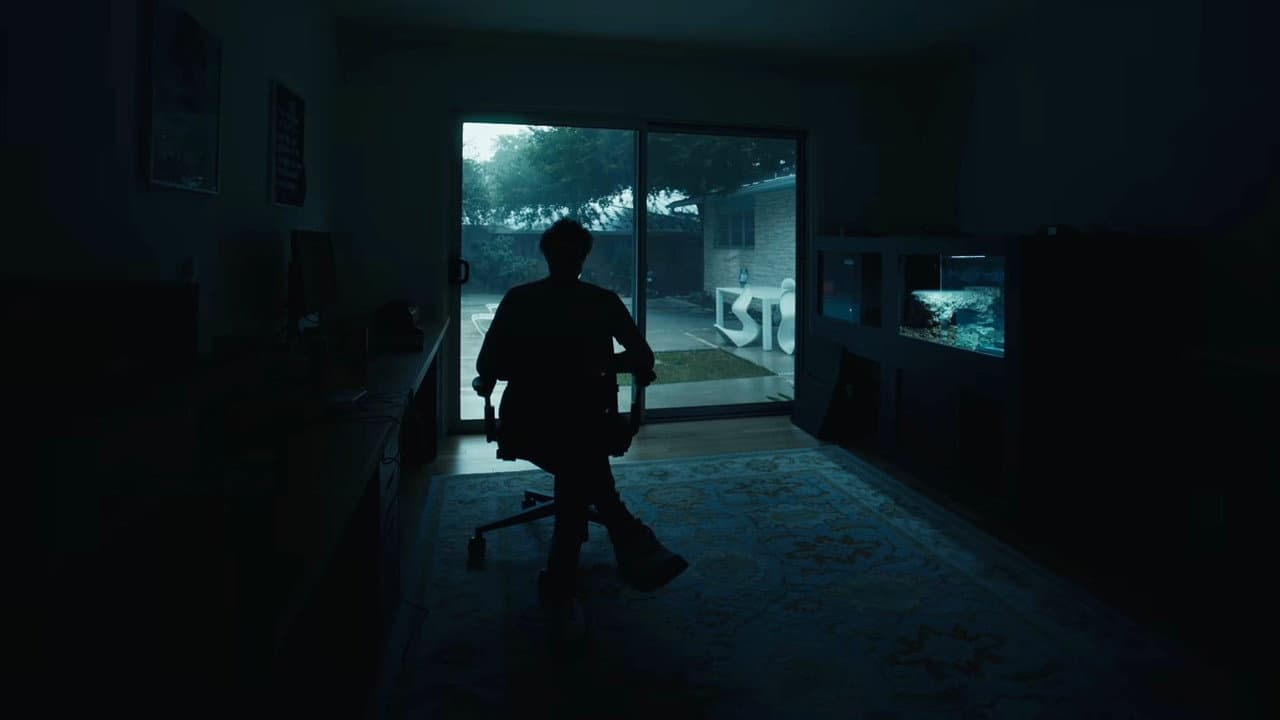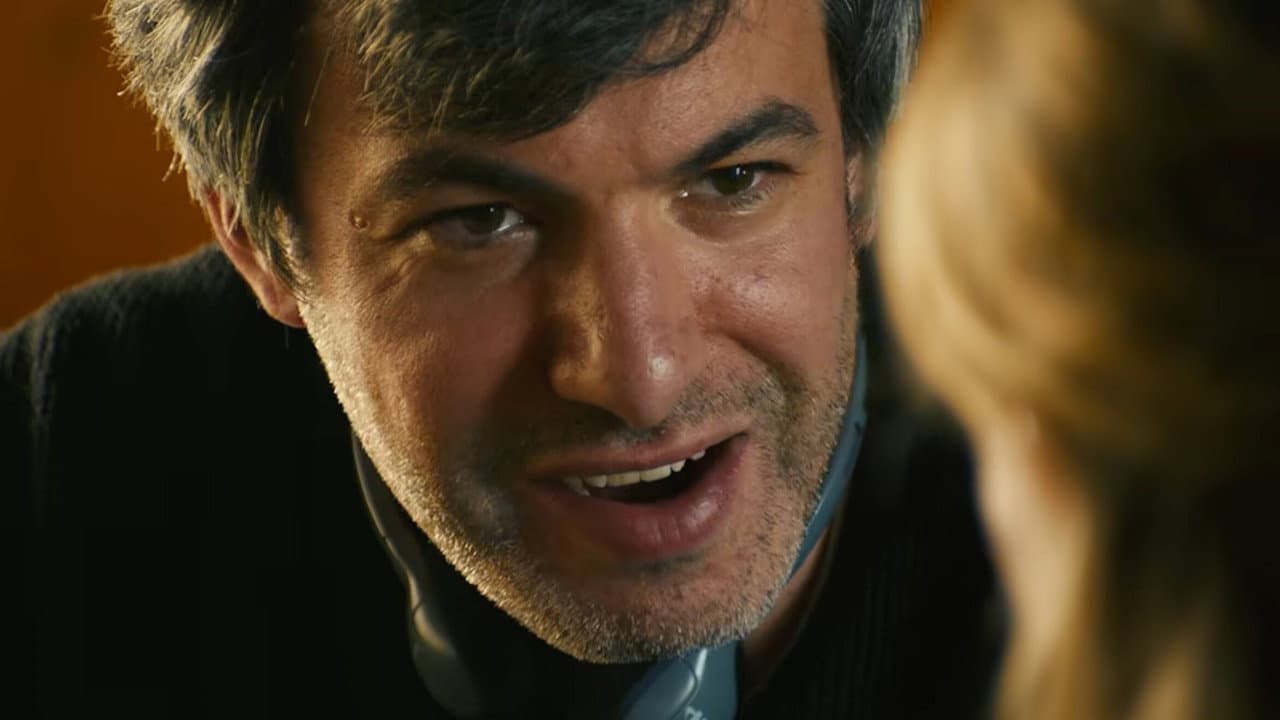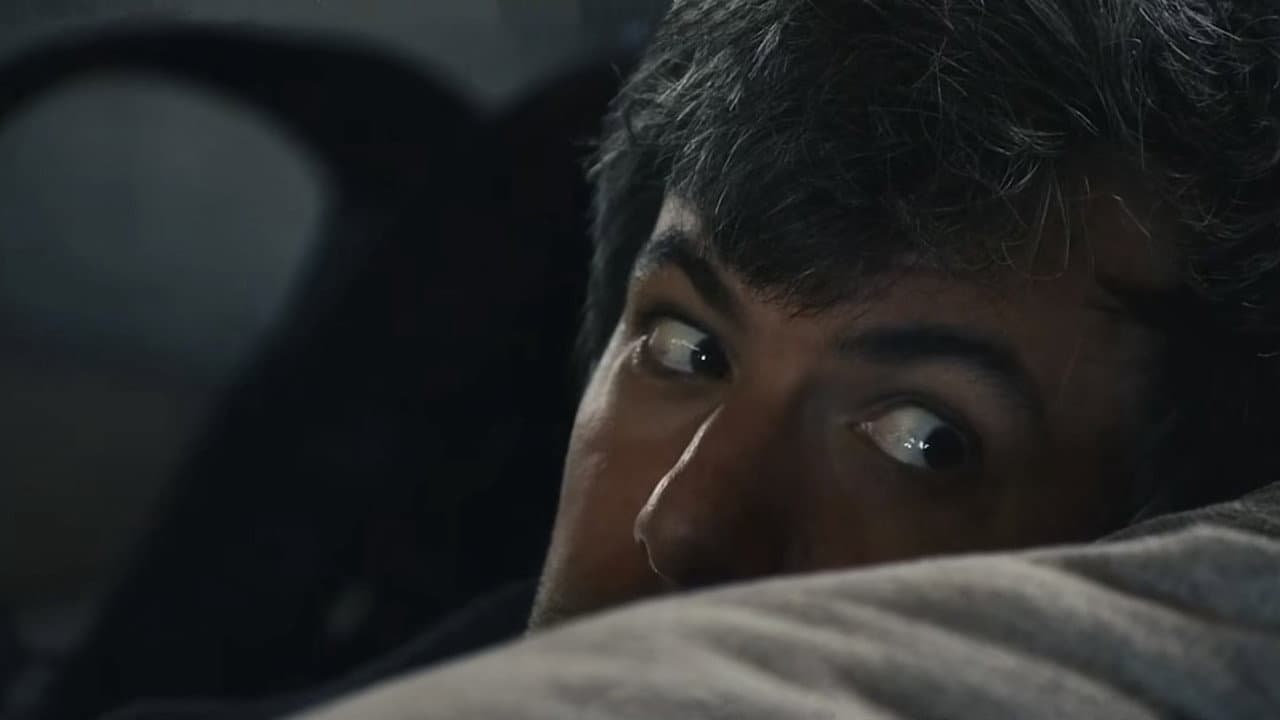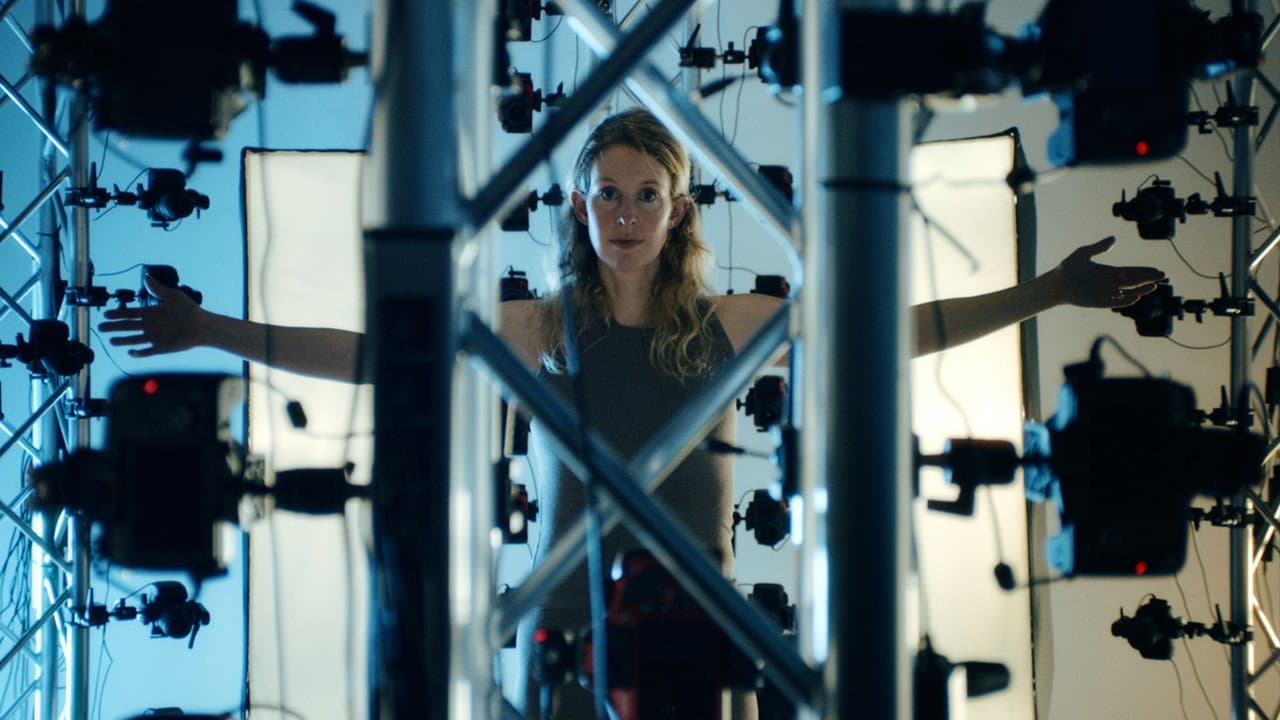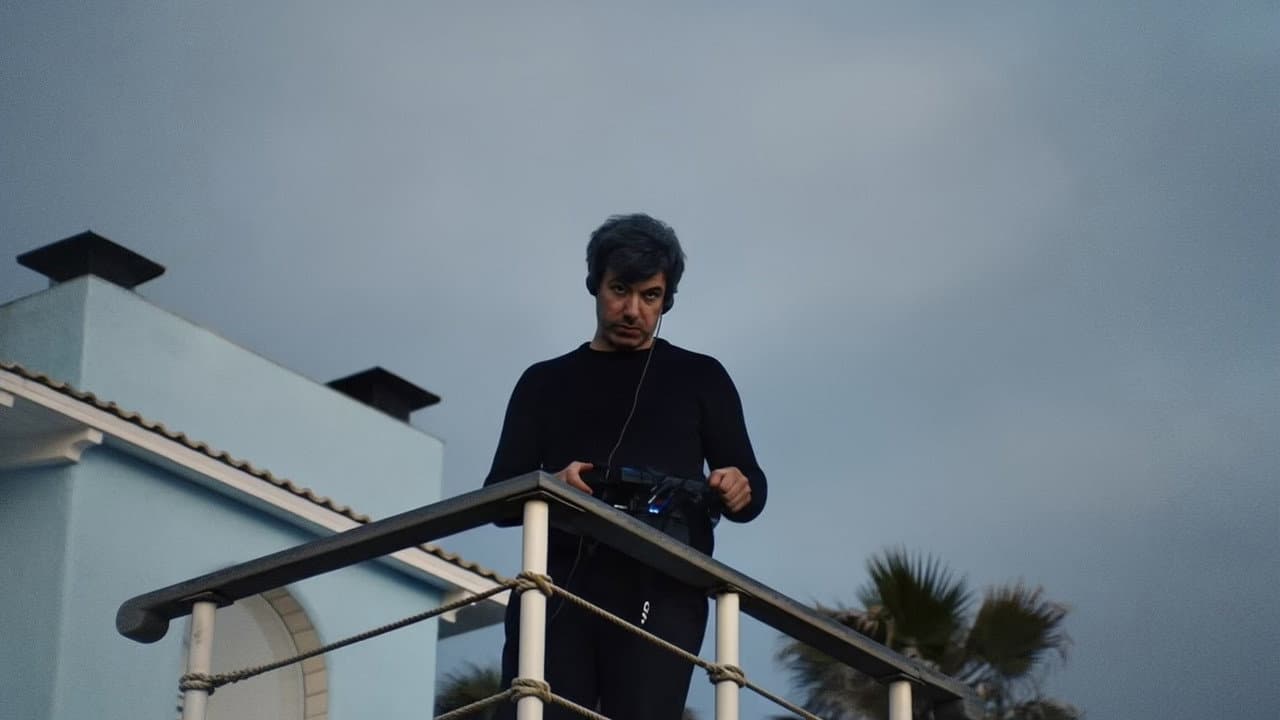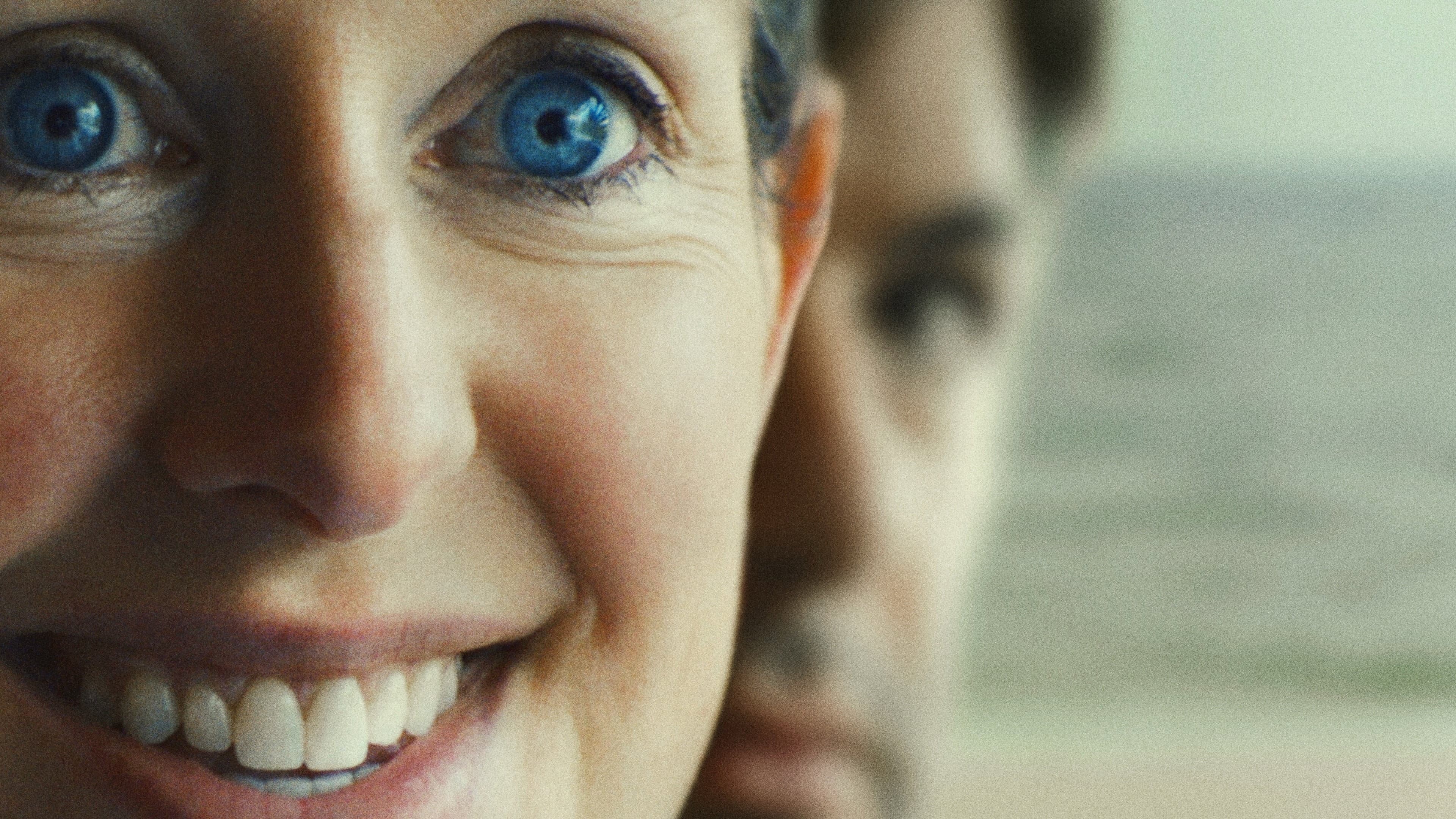
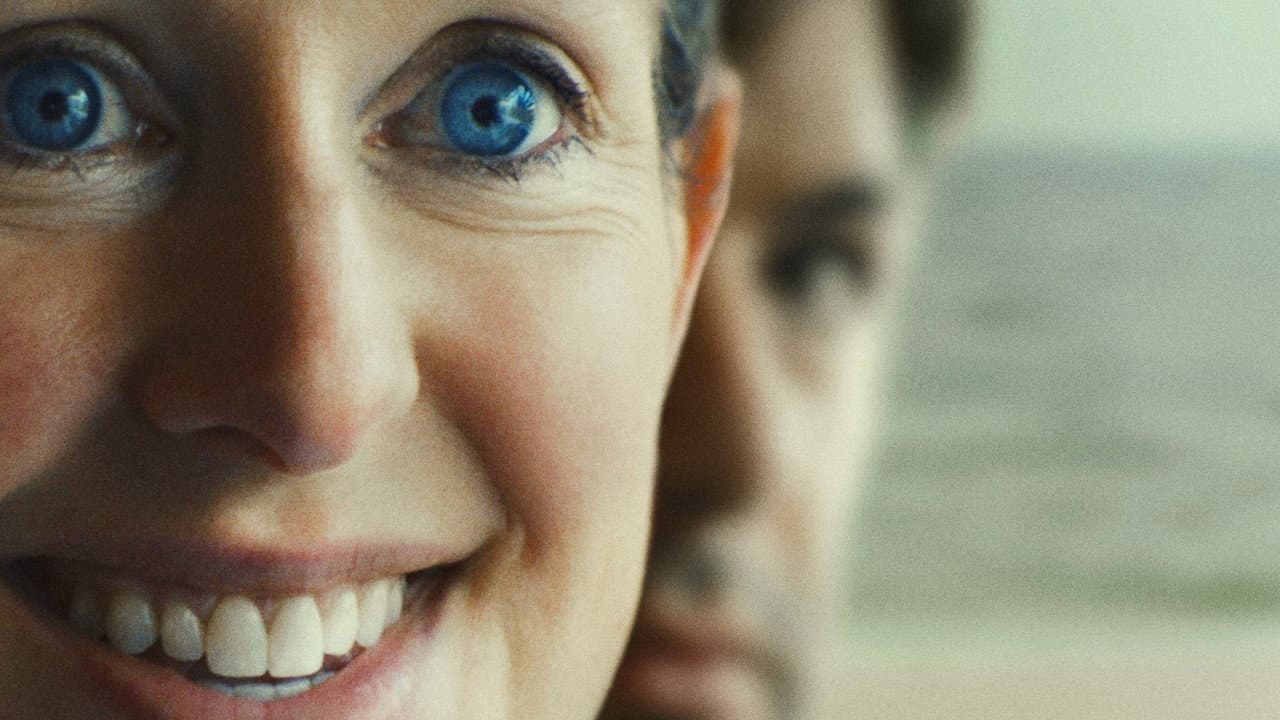
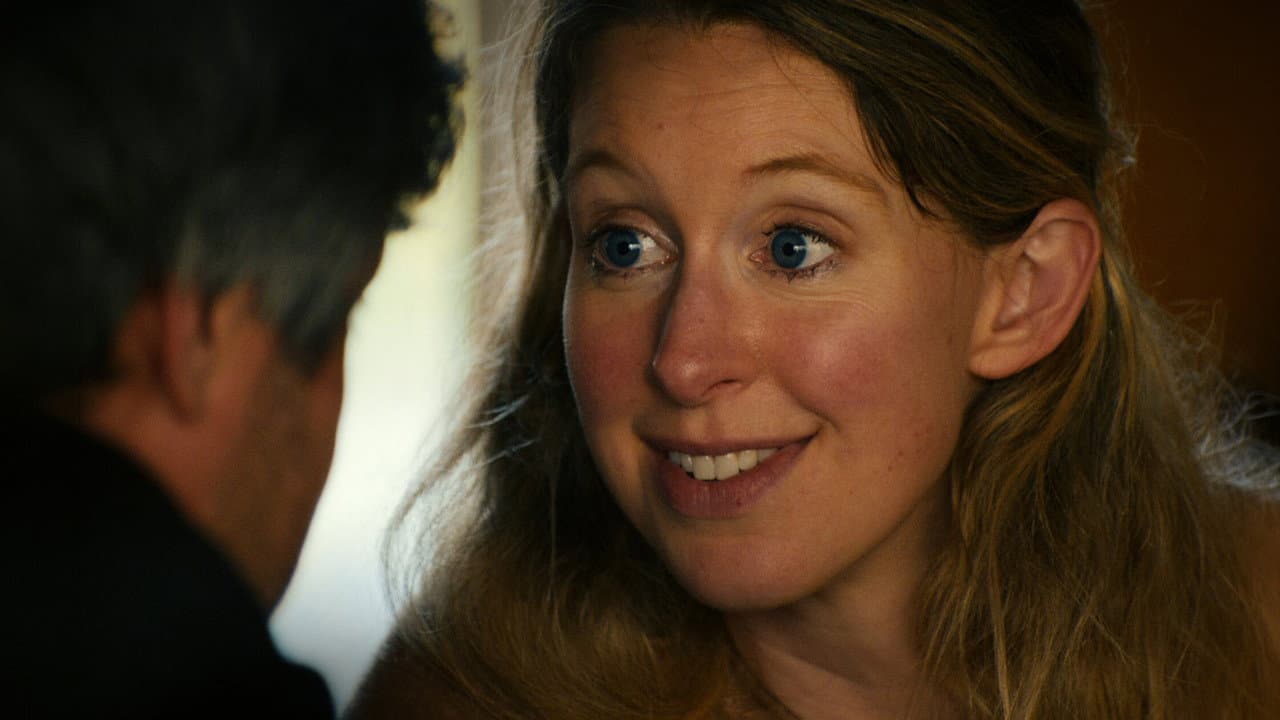

Nearly six weeks into its run, Nathan Fielder's "You Can See Everything" has officially crossed the $100 million mark at the global box office - a threshold no documentary had ever come close to touching - and it has simultaneously become the first nonfiction film to reach one million watches on Letterboxd. The milestone arrives thirty-eight days after the movie's October 16 release, and it lands like a small earthquake in an industry that spent decades treating documentaries as streaming filler.
For the uninitiated: the film opens thirty-four days before Elizabeth Holmes, the disgraced Silicon Valley founder, is due to report to prison. She invites a skeptical crew - led, improbably, by Fielder - to document her every move. What the pitch promises is an intimate portrait of an enigmatic felon. What the 175-minute runtime delivers, according to just about everyone who has sat through it, is a mind-bending three-year descent into the abyss. The premise alone sounds like a joke. The execution, by all accounts, is not.
A Box Office Run Nobody Modeled
The raw numbers are the story here. A $100 million global haul for any documentary would be unprecedented; for one that runs just shy of three hours and carries a premise this strange, it's practically a glitch in the matrix. Audiences have shown up anyway, and then some. The film holds an 8.8 out of 10 on TMDb and a 7.9 on IMDb - strong scores for a documentary, and remarkable for one whose director is best known for deadpan prank comedy.
Then there's Letterboxd. One million watches on the cinephile social platform is a badge very few films of any genre earn, and no documentary had ever gotten there before. The site's user base skews obsessive and vocal, so a million logged viewings means "You Can See Everything" hasn't just found an audience - it has burrowed into film culture. People aren't watching it once and moving on. They're logging it, arguing about it, and treating it like a puzzle box.
The Cast Is Half the Conversation
Part of the fascination is the casting, which reads like a prank in itself. Holmes and Fielder both appear as themselves. So do Billy Evans, Lance Oppenheim, and Holmes's parents, Christian Rasmus Holmes IV and Noel Anne Holmes. But the film also folds in actors playing the real people: Amanda Seyfried as Elizabeth Holmes, Christopher Abbott as Billy Evans. A documentary with a shadow cast of Hollywood performers reenacting its own subjects is not a thing that existed before this movie, and it's a big reason the discourse has refused to die down.
Fielder directing the whole affair only thickens the stew. His signature is letting awkwardness stretch until it snaps, and a three-year shoot with a woman weeks away from prison offered him the most consequential raw material of his career. Whether the result counts as journalism, performance art, or something with no name yet is a debate the film deliberately declines to settle. The 175-minute runtime suggests he wasn't in a hurry to.
What It Means for Documentaries
The industry takeaway is blunt: the "documentaries don't open" rule just took a $100 million hit. Nonfiction has spent years being quietly shuffled to streaming, treated as prestige content rather than theatrical event. "You Can See Everything" proves that a documentary with a genuinely unmissable hook - and a director with a built-in audience - can pull crowds the way narrative films do. Expect a wave of imitators, most of which will not have a felon, a comedian, and a three-year abyss to work with.
For now, the film keeps adding watches and dollars, and the Letterboxd faithful keep logging entries. Holmes reports to prison in the movie's own timeline; in ours, her documentary is a certified phenomenon. Strange times. Strange movie. Both, somehow, exactly on brand.
Source: The Hollywood Reporter