Cristian Mungiu knows you’re fighting about Fjord. The Romanian auteur behind Palme d’Or winner 4 Months, 3 Weeks and 2 Days isn’t losing sleep over the heated debates his new drama has sparked - he’s actually kind of relieved. In a new conversation tied to the film’s release, Mungiu made it clear that he welcomes the arguments, even as he gently pushes back on anyone trying to map his personal politics onto the story.
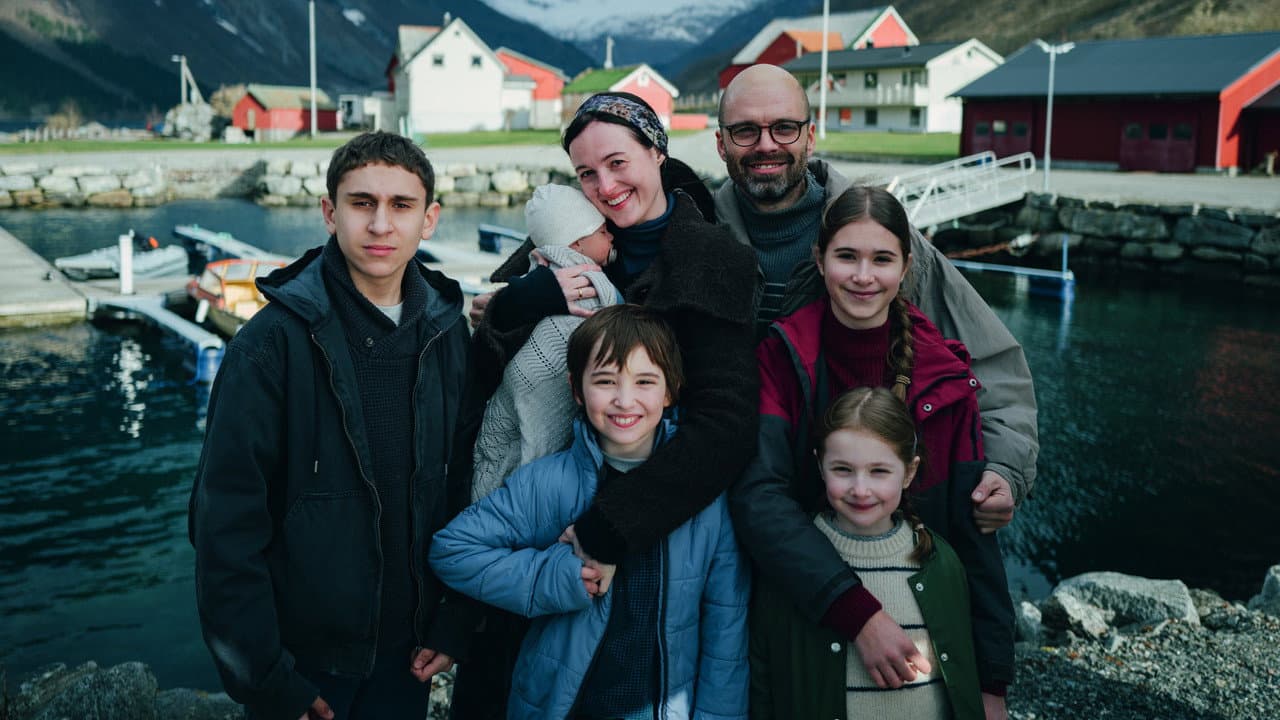
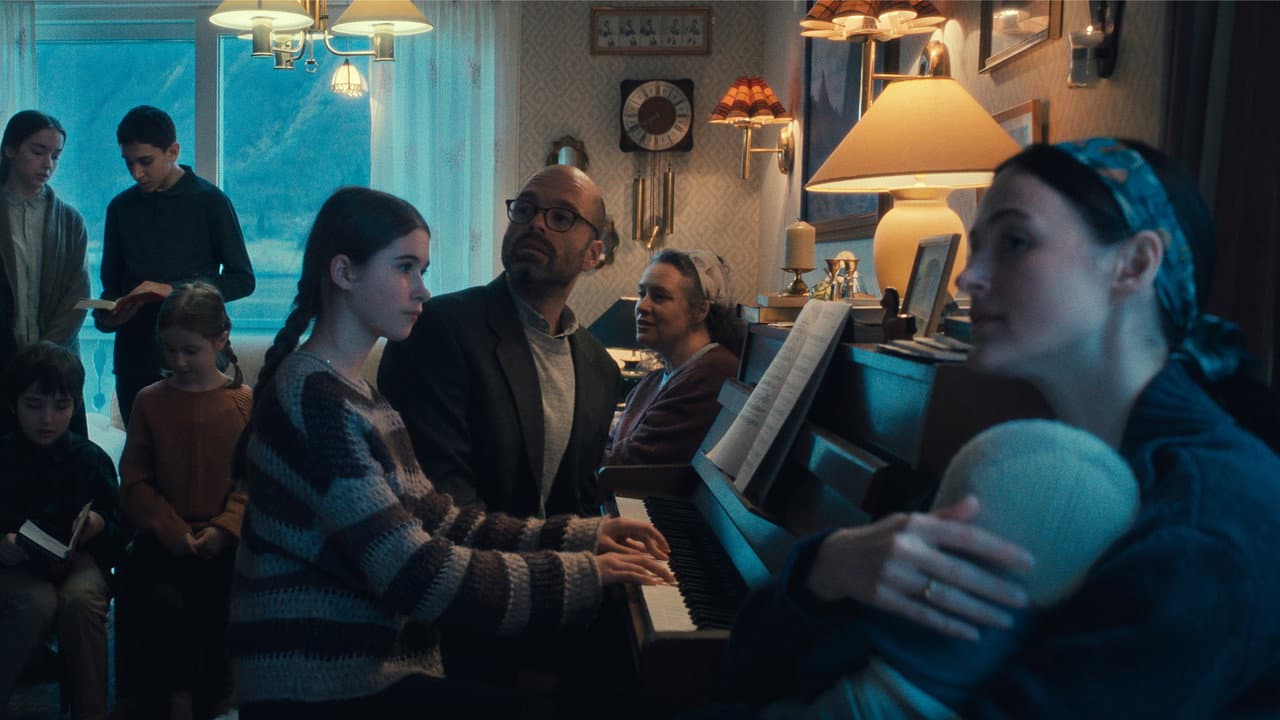
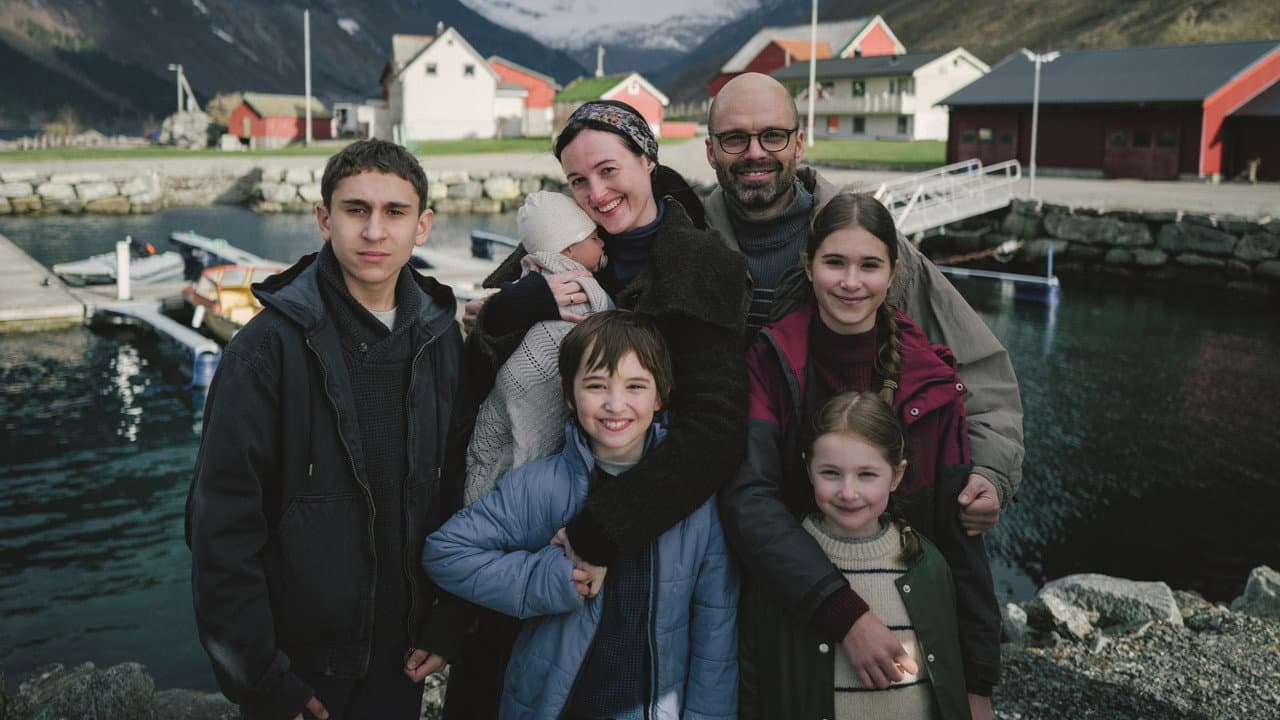
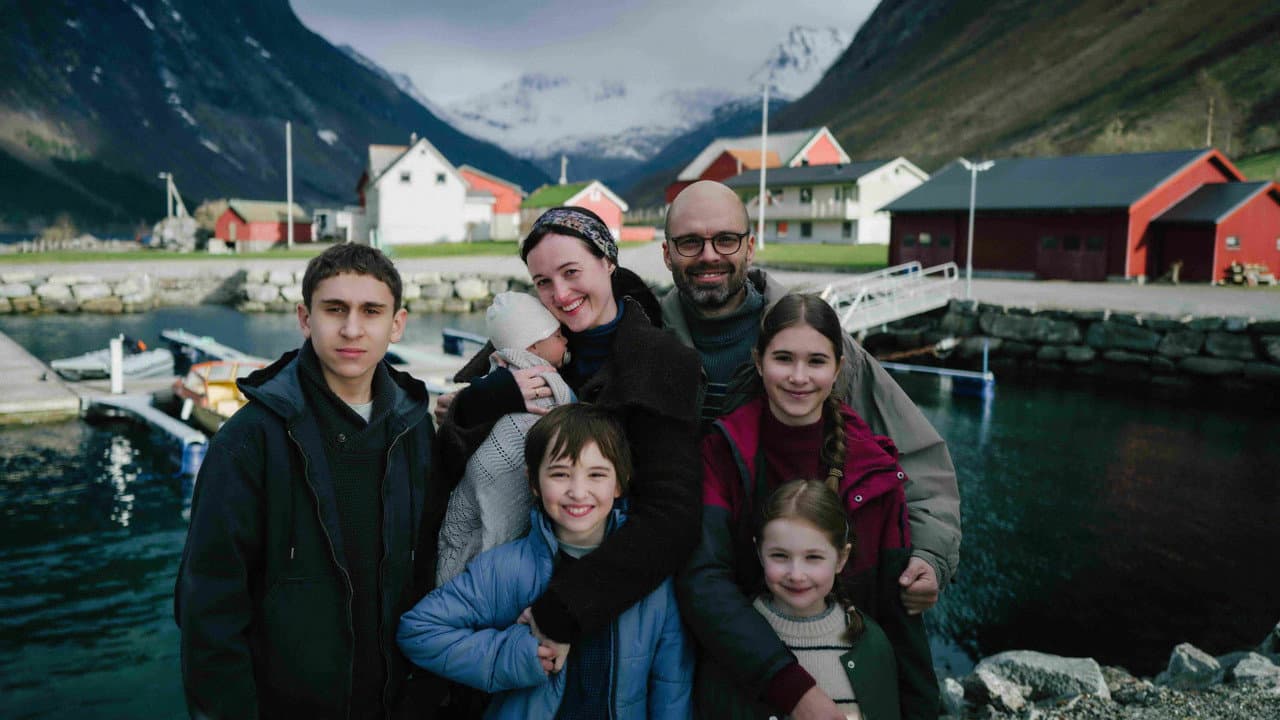
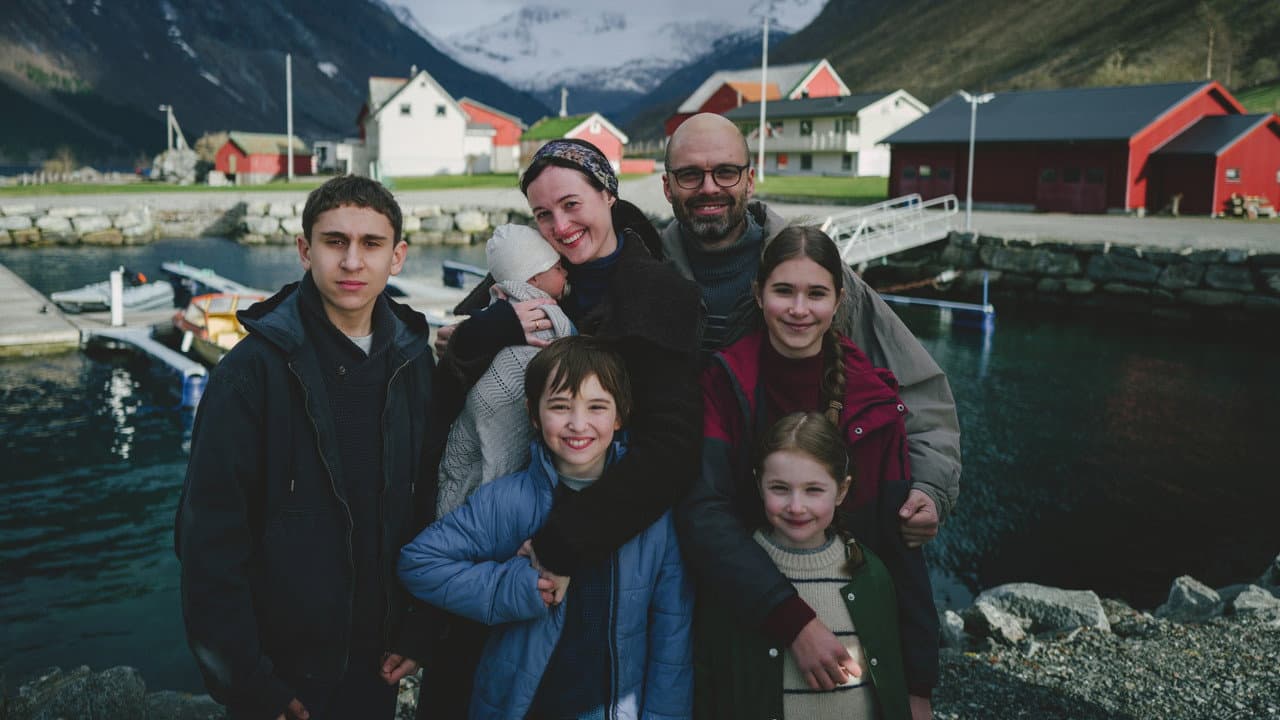
Fjord, which hit theaters on June 13, 2026, tells the story of Mihai and Lisbeth Gheorghiu, a Romanian couple who uproot their children and relocate to a remote Norwegian village after Mihai’s parents pass away. Hoping to start fresh near Lisbeth’s family, they find warmth in their new neighbors, the Halbergs. But that fragile sense of peace shatters when young Elia Gheorghiu comes home from school covered in bruises. The film runs a hefty 146 minutes, and with a TMDb score of 7.1, it’s clearly connecting with audiences - though not always in ways that make for easy consensus.
A Story That Refuses Easy Labels
Mungiu has built a career on morally ambiguous, slow-burn storytelling, and Fjord fits squarely into that tradition. The director’s latest isn’t a straightforward parable or a tidy lesson in right and wrong - it’s a film that thrives in the gray zones, asking audiences to sit with discomfort rather than resolve it. That’s precisely why people are arguing about it. Some viewers see the Gheorghius’ migration as a meditation on displacement and cultural collision, while others read the bruising incident as a commentary on institutional failure or parental denial. The film’s open-ended texture invites projection, and Mungiu knows it.
The director’s point, as he frames it, is that Fjord isn’t a political statement dressed as a family drama. He’s less interested in telling viewers what to think than in creating a space where complicated questions can breathe. If you walk out of the theater and immediately start debating what the film “really means,” Mungiu suggests you’ve done exactly what he hoped you would. The problem, he adds, is when audiences mistake a character’s choices or a narrative twist for the filmmaker’s personal manifesto. That leap, in his view, is where interpretation turns into assumption.
Sebastian Stan Leads an Ensemble That Elevates the Tension
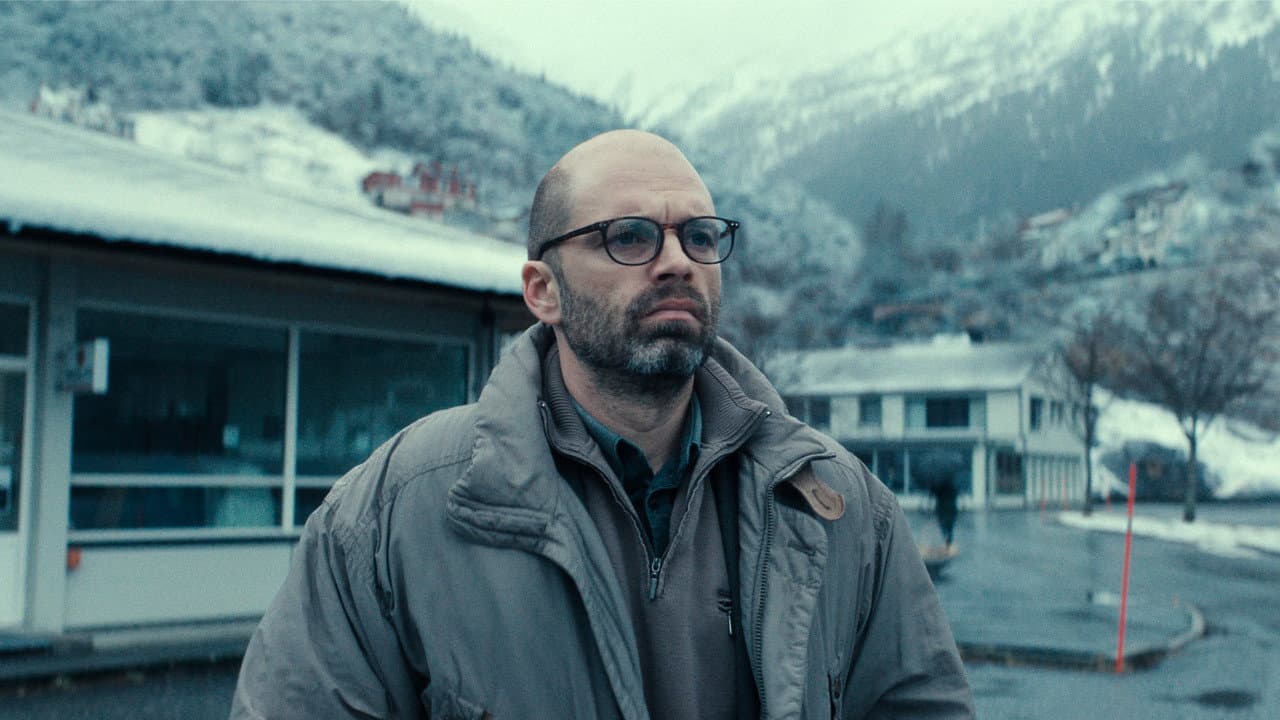
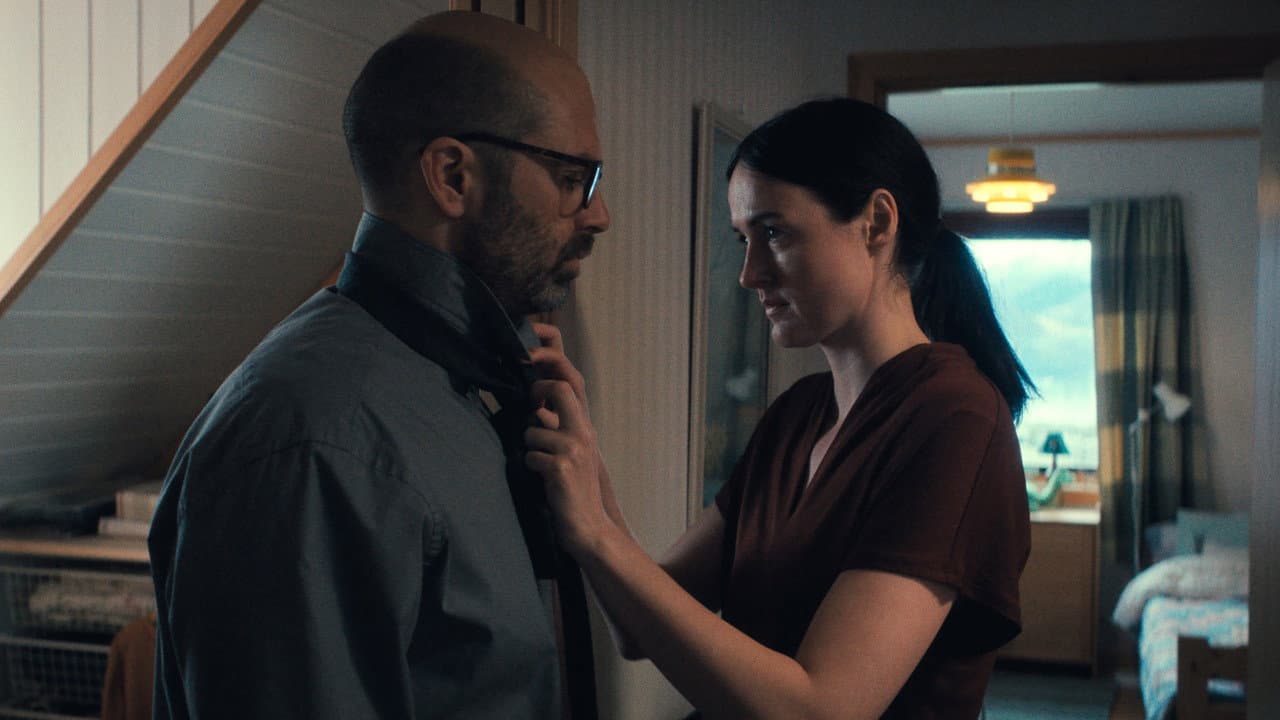
A film this delicate needs actors who can hold silence and let subtext do the heavy lifting, and the cast delivers in spades. Sebastian Stan steps into the role of Mihai Gheorghiu, a man carrying grief and the weight of a decision to leave everything he knows behind. Stan, who has spent years bouncing between Marvel blockbusters and indie character studies, brings a quiet intensity to the role that anchors the family’s unraveling. Opposite him, Renate Reinsve plays Lisbeth, the Norwegian-born wife whose hopes for a fresh start curdle as the story progresses. Reinsve, a standout in The Worst Person in the World, is a natural fit for Mungiu’s unpredictable emotional rhythms.
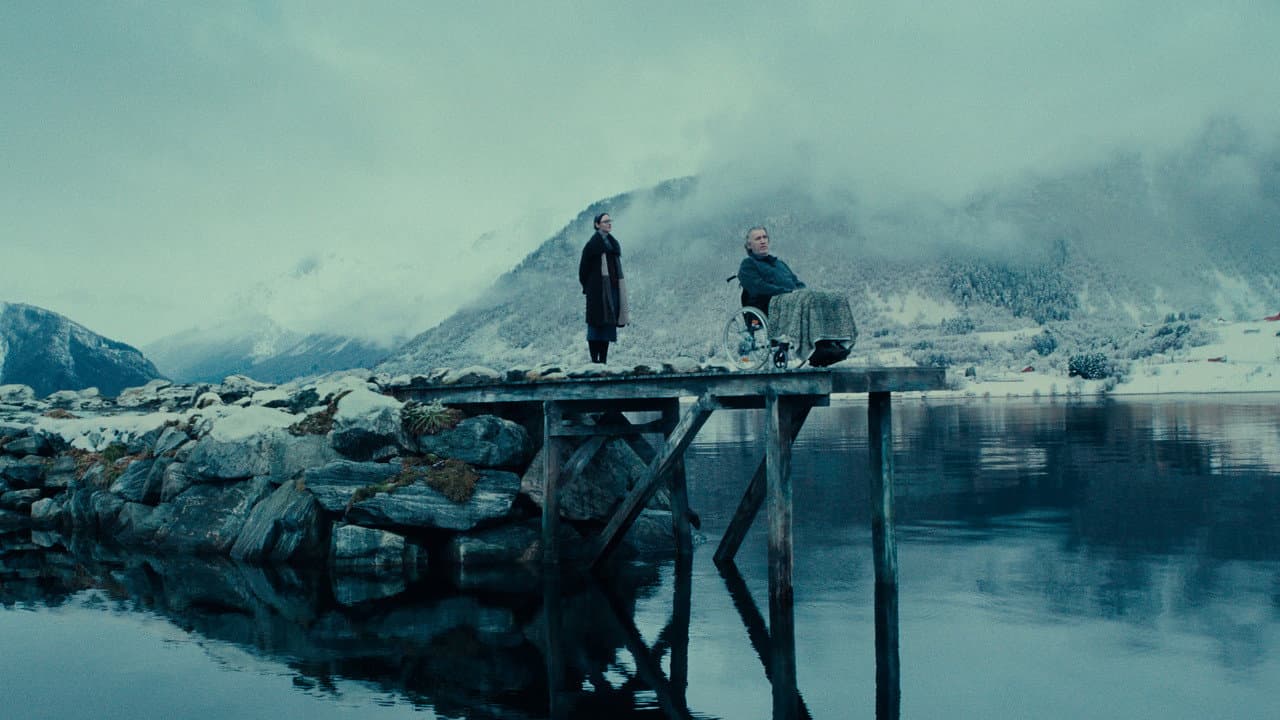
The supporting cast deepens the film’s sense of place and dread. Lisa Carlehed appears as Mia Halberg, the kind-faced neighbor whose family becomes a lifeline for the newcomers, while Ellen Dorrit Petersen and Lisa Loven Kongsli round out the tight-knit community. Henrikke Lund Olsen plays Noora Halberg, and young Vanessa Ceban takes on the pivotal role of Elia, the child at the center of the bruising mystery. Jonathan Ciprian Breazu completes the Gheorghiu family as Emmanuel. Mungiu has a gift for working with ensembles, and Fjord uses its Norwegian setting not just as a backdrop but as a character in its own right - the cold, beautiful landscape mirrors the emotional distance creeping between the characters.
Don’t Mistake the Art for the Artist
The heart of Mungiu’s latest remarks is a plea for nuance. He’s glad that Fjord is provoking strong reactions, but he’s wary of viewers who approach the film looking for confirmation of their own ideological biases. Cinema, he reminds us, isn’t a political pamphlet. A story about a family in crisis can touch on themes like immigration, parenthood, or social responsibility without committing to a specific platform. The filmmaker’s job is to ask questions, not to hand out answer keys.
That stance might frustrate viewers who want their art to take a clear side, but it’s also exactly why Fjord is generating the kind of discourse most directors only dream about. The film isn’t preaching - it’s probing. And in an era where every creative choice gets dissected for hidden allegiances, Mungiu’s refusal to be pinned down feels almost radical.
So if you’ve seen Fjord and found yourself in a heated conversation about what it all means, take a beat. The argument itself is the point. Just don’t assume you know where Mungiu stands politically because a character made a questionable decision onscreen. He’d rather you keep debating - just be honest about the fact that your interpretation says as much about you as it does about the film.
Source: The Hollywood Reporter