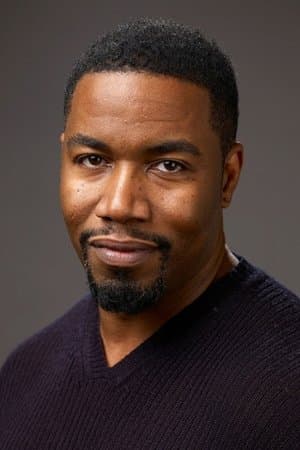
Michael Jai White has spent more than three decades proving that the best action stars don't need a cape or a CGI double - they just need to know how to throw a punch. The martial artist turned actor has built one of the most quietly durable careers in Hollywood, hopping between blockbuster franchises, cult favorites, and straight-to-video gems with a work ethic that would exhaust performers half his age. And in an era when audiences are more savvy than ever about what real fight choreography looks like, White's stock has never been higher.
What separates White from the pack isn't just his resume - it's the receipts. A lifelong student of the martial arts, he holds black belts across multiple disciplines and has trained in everything from kyokushin karate to Brazilian jiu-jitsu. That background gives him a credibility on screen that can't be faked, and filmmakers who've worked with him tend to say the same thing: you don't need to teach him a fight, you just need to point a camera at him.
From the Page to the Screen
Long before he was trading blows on camera, White was a sought-after martial arts instructor, and his Hollywood break came in an unexpected lane - writing. He co-penned the 1997 cult favorite Spawn, in which he also starred as the villain Al Simmons, a role that put him on the map as both a performer and a creative force. That dual identity has defined his career ever since. White doesn't just show up to fight; he's often involved in shaping the action, and he's spoken over the years about wanting to give audiences the kind of grounded, skill-based combat that he grew up loving.
His big-screen profile got a serious boost in 2008 when he suited up as the title character in Black Dynamite, a loving, deadpan spoof of 1970s blaxploitation cinema that has since become a genuine cult classic. The film didn't light up the box office, but it did something arguably more valuable: it proved White could carry a movie with comedy, charisma, and impeccable timing - not just his fists. A decade later, the character returned in an animated series, a testament to how deeply the movie had lodged itself in the pop-culture bloodstream.
The Action Auteur Next Door
Ask action fans about White and you'll hear the same movie titles again and again - Blood and Bone, Never Back Down, Undisputed II: Last Man Standing. These aren't films that dominated multiplexes, but they've become the backbone of his reputation among genre devotees, the kind of movies that get passed around dorm rooms and streaming queues like secret handshakes. In Undisputed II, his turn as the incarcerated fighter George "Iceman" Chambers is widely regarded as one of the best pure fight performances of the 2000s, and it earned him a reputation as the guy you cast when you want the brawls to look like they actually hurt.
That reputation has made him a reliable fixture in everything from the Dark Knight trilogy - where he appeared in a memorable supporting role in The Dark Knight - to a string of low-budget actioners that he frequently elevates simply by showing up. White has never pretended to be an A-lister chasing tentpole paydays. Instead, he's carved out a lane that lets him work constantly, stay in fighting shape, and keep the genre he loves alive.
Why He Still Matters
In 2026, the action landscape looks a lot different than it did when White first stepped in front of a camera. Streaming has flooded the market with content, and audiences have grown more discerning about what makes a fight scene land - real technique, real stakes, real performers. White checks every box, and he's done it without the marketing machine that backs a franchise star. He's also become something of a mentor figure to younger performers, with a training and coaching background that has quietly influenced a generation of actors who want their action to look authentic.
His appeal is simple to explain and hard to replicate: he's the real deal. In a town full of smoke and mirrors, White is the guy who can actually do the thing he's being paid to do. That's not just good marketing - it's a career built on substance. And if the past three decades are any indication, he's not hanging up the gloves anytime soon.
Source: Black Belt Magazine