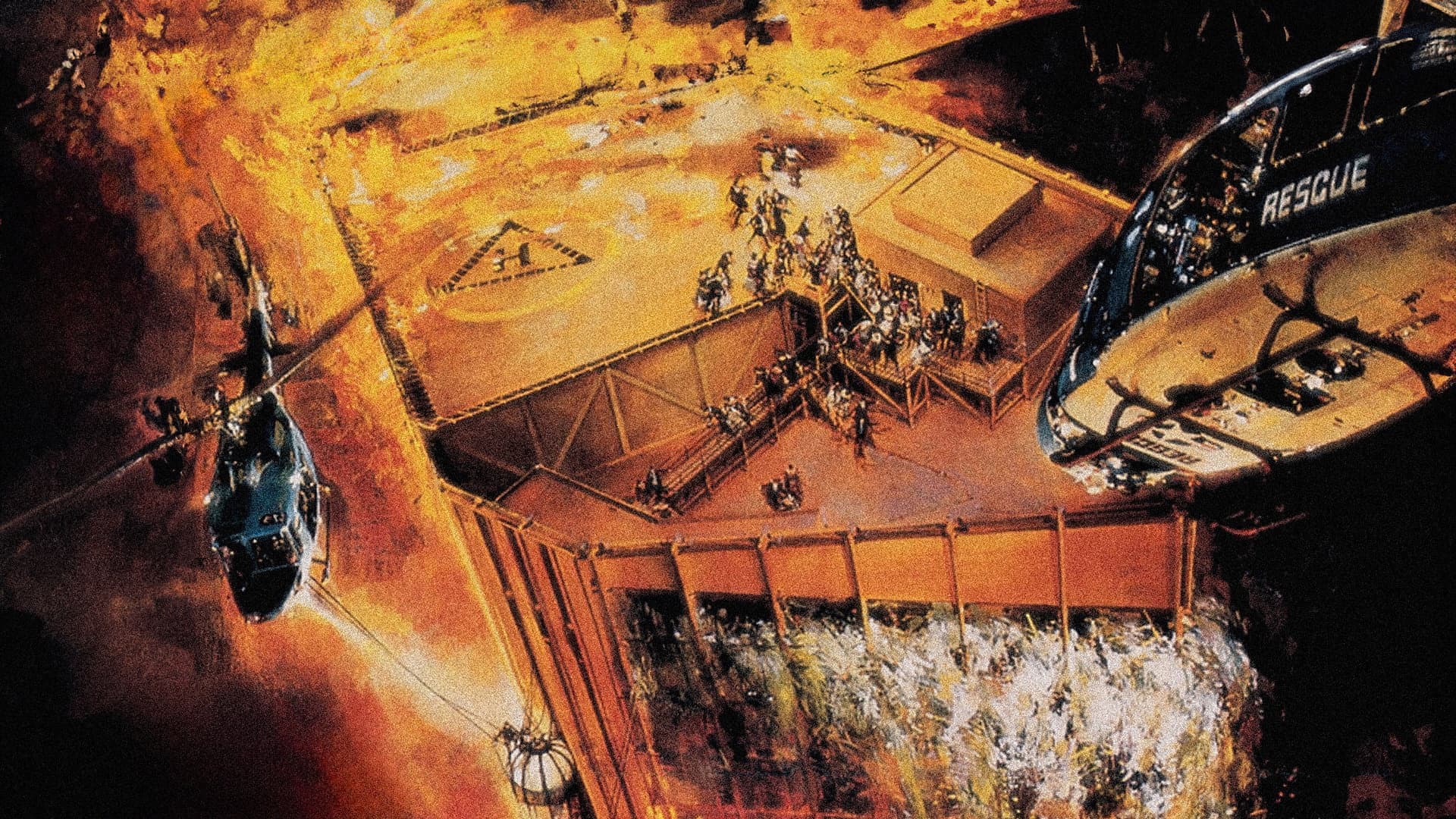
Steve McQueen once walked off the set of The Towering Inferno - or came dangerously close to it - because his name wasn't going to be as big as Paul Newman's. That's not the headline, though. The headline is what the two men counted instead of letters: lines. McQueen, reportedly, wanted the exact same number of lines as Newman, and Hollywood, ever the enabler of outsized egos, cooked up a whole new kind of movie poster to keep the peace.
The Line-Counting Cold War
Let's set the scene. It's the early 1970s, and two of the biggest stars alive have signed on to a disaster epic about a skyscraper catching fire. Newman is the architect. McQueen is the fire chief. On paper, it's a dream pairing. In practice, it was a competitive sport.
The lore around The Towering Inferno has hardened into one of Hollywood's favorite cautionary tales. McQueen didn't just want parity - he wanted provable parity. The story goes that scripts were compared side by side, dialogue was tallied, and whole scenes were rejiggered so neither man could claim he'd been shortchanged. If Newman got a speech, McQueen got a speech. If Newman barked orders in one scene, McQueen barked back in the next.
Whether every last line was literally counted word for word is the kind of detail history smooths over. But the spirit of it is unmistakable: two alpha stars, one movie, zero willingness to blink.
It's the kind of thing that sounds absurd until you remember this was peak movie-star era. Studios didn't sell plots back then. They sold faces. And a face that got less screen time was a face that lost.
Hollywood's Clever Fix: A Poster for Two Kings
Here's where the story gets genuinely fun. You can't stack two equal names in a traditional poster without someone being "on top" and someone being "on the bottom," and in billing, bottom is basically a demotion.
So the marketing minds did something sneaky-smart. They built a poster where both names occupy the same visual space - same size, same weight, same prominence. Depending on how you look at it, it's a shared crown.
It's a small design choice with massive psychological stakes. Studios had been wrangling over billing for decades, but this was a new wrinkle: not just whose name comes first, but how do we make sure nobody comes first at all.
And honestly? It worked. The compromise poster became its own little piece of Hollywood legend, a monument to the art of keeping two enormous egos from detonating a production.
Why This Still Matters
You might be thinking: it's a poster and a line count, who cares? But this is the DNA of modern celebrity culture.
Today we obsess over Instagram follower counts, screentime in trailers, and whether an actor gets "and" billing or "with" billing. All of that is the same instinct McQueen had, just wearing newer clothes. The line-count demand wasn't vanity for vanity's sake - it was a power move with real financial consequences. Your screen time is your brand. Your brand is your asking price.
It also says something about Newman. He could have thrown his weight around and insisted on top billing - he had the clout. Instead, the compromise held, and the two men reportedly got along well enough to make the movie work. That's the unglamorous truth behind a lot of great on-screen chemistry: it's usually built on meticulous, slightly ridiculous negotiation.
The Bigger Picture
What we're left with is a story about an industry that will rearrange reality - posters, scripts, contracts - to protect the feelings and leverage of its biggest names. A line count became a bargaining chip. A poster became a diplomatic treaty.
It's funny, it's petty, and it's deeply revealing. Hollywood didn't invent the diva. But it did invent a way to make two divas look like they were standing on exactly the same spot.
Source: 3DVF