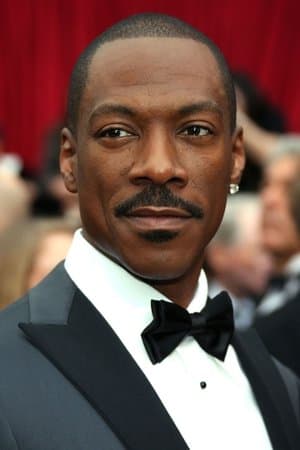
Matthew Weiner and Peacock have parted ways on the Eddie Murphy comedy series he was set to run, and anyone who's followed Weiner's career probably won't be shocked that creative tensions played a role. The showrunner behind Mad Men has exited the untitled project after friction with producers, leaving one of the more intriguing star vehicles in development without the guy who was supposed to steer it.
The news lands at an awkward moment. Peacock has been hunting for a breakout comedy built around a genuine movie legend, and Eddie Murphy fits that bill as well as anyone alive. Pairing him with Weiner looked, on paper, like a prestige play: take one of the most electrifying comic presences of the last fifty years and hand him to a showrunner famous for meticulous, character-first storytelling. In practice, the pairing apparently couldn't hold together behind the scenes.
What We Actually Know
Let's be careful here, because details remain thin. Weiner is out as showrunner following a clash with producers. That's the core of it. There's been no public statement from Peacock, no comment from Weiner's camp, and no confirmation about whether the split was amicable, abrupt, or the culmination of a slow-burn disagreement over where the show should go. Nobody has said the project is dead, either. For now, it's a showrunner vacancy on a high-profile series, which in Hollywood is somewhere between a hiccup and a red flag depending on what happens next.
What we can say with confidence: Weiner has never been the easiest creative partner to lock down. His reputation is built on exacting control and a willingness to fight for the version of a story he believes in. That's precisely what made Mad Men feel so singular. It's also the quality that has, over the years, made him a complicated fit for projects where multiple producers want a hand on the wheel.
Why This Project Mattered
An Eddie Murphy-led comedy series for Peacock isn't just another streaming order. Murphy remains one of the few performers whose presence alone generates curiosity across generations - the Beverly Hills Cop faithful, the Coming to America crowd, and younger viewers who discovered him through his dramatic turns or his stand-up legacy. A series built around him would be a signature title for a streamer still carving out an identity in a brutally crowded comedy space.
That's what makes the Weiner exit worth watching. The show's creative direction now sits in limbo, and whoever steps in will inherit both the upside and the unresolved disagreements that pushed Weiner out. Depending on how deep those differences ran, the next showrunner could be walking into a clean handoff - or a project that needs recalibrating from the ground up.
Hollywood's Favorite Kind of Drama
Showrunner shakeups are a staple of the industry, and they've become more visible as streaming platforms churn through development at high speed. Sometimes a departure is a blip; the machine keeps moving and the finished product betrays nothing. Other times it's an early warning that a project's creative foundation was never quite solid.
Weiner's case tilts toward the second category, if only because his track record suggests he doesn't walk away from fights he thinks he can win. His departure implies the disagreement over the show's vision was significant enough that compromise wasn't on the table. Whether that says more about him or about the producers is a question only the people in those rooms can answer - and they aren't talking.
For Murphy, the calculus is simpler and more pressing. He's the star, and stars of his magnitude don't stay attached to projects that stall indefinitely. Expect quiet, urgent conversations about a replacement. Expect Peacock to want a stabilizing name, someone who can reassure Murphy and the producers simultaneously. Expect, too, that the trades will keep digging, because a story this juicy rarely stays this bare for long.
The bottom line: Weiner is out, Murphy is still the centerpiece, and Peacock has a decision to make about the future of one of its most promising comedy projects. The show isn't cancelled. It's just wobbling. And in an industry where momentum is everything, a wobble can turn into a fall faster than anyone expects.
Source: The Hollywood Reporter