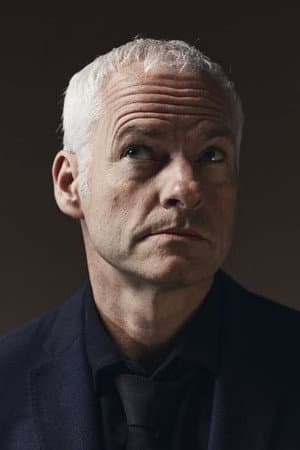
Martin McDonagh has never been the kind of filmmaker who waits for permission. Long before he was directing Oscar-winning actors and collecting awards-season hardware, he was a London-born playwright with a gift for language so sharp it could draw blood - and a stubborn streak that made him the unlikely poster boy for creative independence in an industry built on compromise. His path from the West End stage to Hollywood's good graces is a case study in what happens when a storyteller refuses to hand over the keys.
The first act of McDonagh's career played out in theaters, not multiplexes. He arrived with a burst of darkly comic plays set in rural Ireland, works that mixed menace, humor and moral queasiness in ways that made critics sit up and audiences squirm. The plays won awards, sparked arguments and established him as one of the most distinctive voices in contemporary theater. Crucially, they also let him learn his craft in a medium where, as the writer, he was the center of gravity. That lesson stuck.
From Stage to Screen Without Losing the Voice
When Hollywood came calling, McDonagh didn't reinvent himself as a hired gun. His breakthrough feature, an Oscar-winning short film, announced that his stage sensibility - all dagger-sharp dialogue and sudden violence - translated to the screen intact. He followed it with a feature debut that kept the Irish setting and the unsettling humor, and the industry took notice. But what really defined his screen career was the kind of deal he wanted: the right to write and direct, and to keep his scripts as written.
That insistence paid off in Hollywood. His film about two hitmen hiding out in Bruges became a cult touchstone and a critical darling, proof that a talky, tonal tightrope act could find an audience. Then came a meta crime comedy set in Los Angeles that showed he could apply his signature wit to American soil without sanding off the edges.
The Awards Magnet
The second half of his filmography turned him from admired cult favorite into bonafide awards magnet. His character-driven drama about a mother demanding answers from a small-town police force earned Oscars for its lead actors and made clear that McDonagh's ear for dialogue could power something raw and humane, not just funny and mean. His next film, a brutal and strangely tender story of a friendship falling apart on a remote island, kept the nominations coming and cemented his reputation as an actors' director. Stars don't just tolerate his material - they line up for it, because his scripts treat them like grown-ups.
Total Control Isn't Arrogance - It's the Brand
It's tempting to read McDonagh's career as a tale of ego, but the reality is more interesting. His insistence on control is less about being difficult than about knowing exactly what kind of story he's telling. He writes like a playwright - for rhythm and voice - and directs like someone who trusts the words he put on the page. The result is a filmography with no obvious misfires and no hired-hand detours, a rarity in an industry that often pushes even acclaimed writers toward franchise work.
There's also the matter of how he got there. McDonagh didn't climb the usual ladder of writing assignments and studio notes; he built leverage through the stage, then spent it carefully in film. Each movie raised his stock enough that the next one could be made his way. That's not luck. That's a career strategy.
Today McDonagh stands as one of the few filmmakers who can walk into a studio with an original script, dark as midnight, and walk out with a green light, a cast he chose and final say. For anyone wondering how that's done, the answer is simple and stubborn: write something no one else could write, refuse to dilute it, and let the acclaim do the negotiating. McDonagh has spent his whole career proving that creative control, in the right hands, is worth more than any compromise.
Source: WSJ