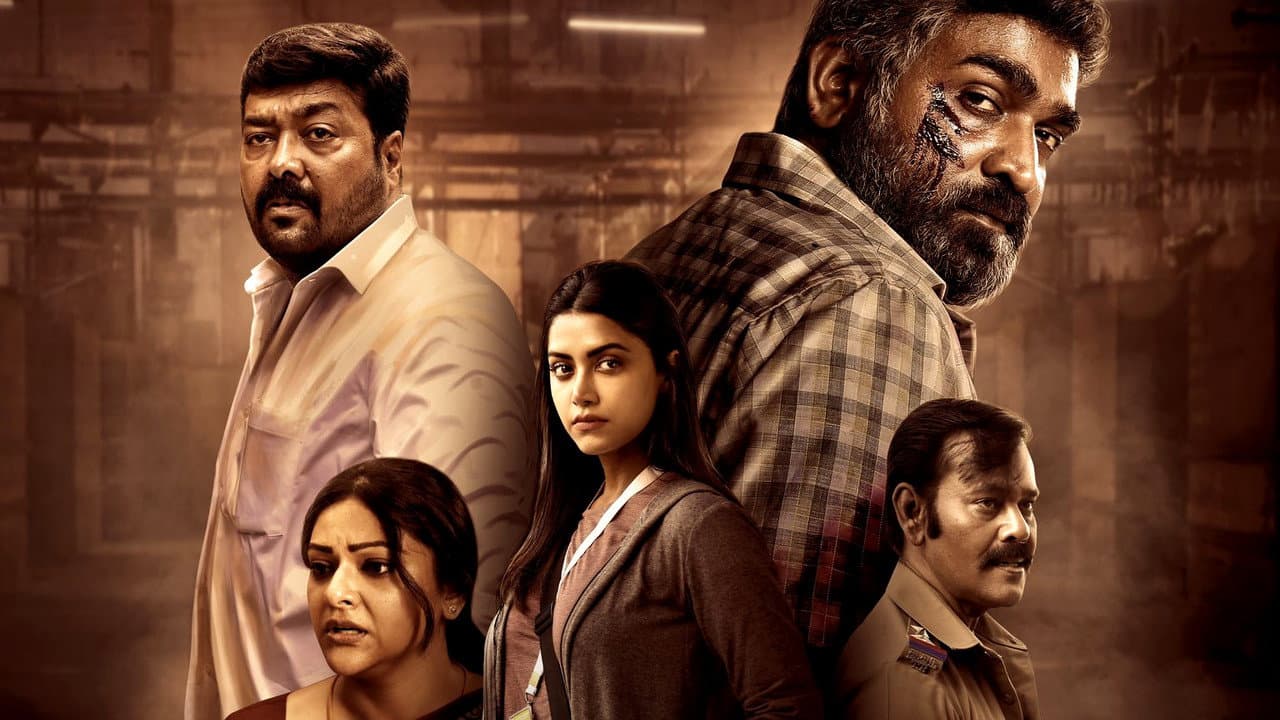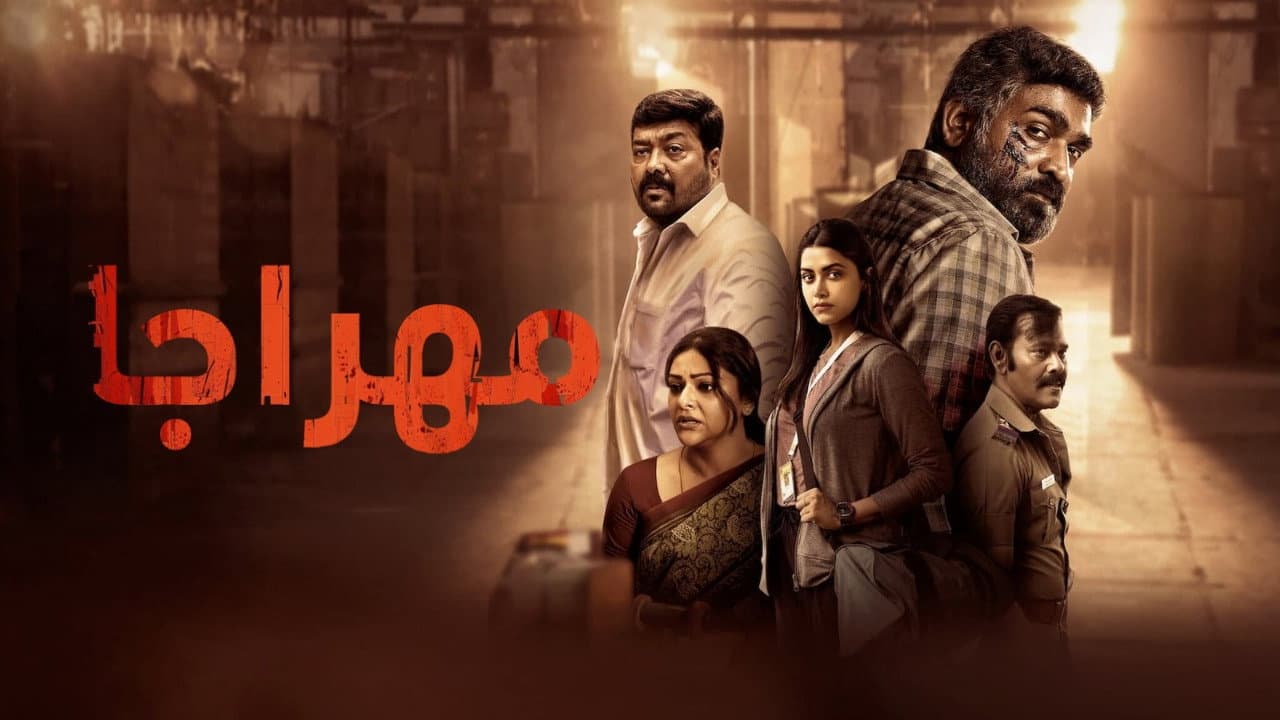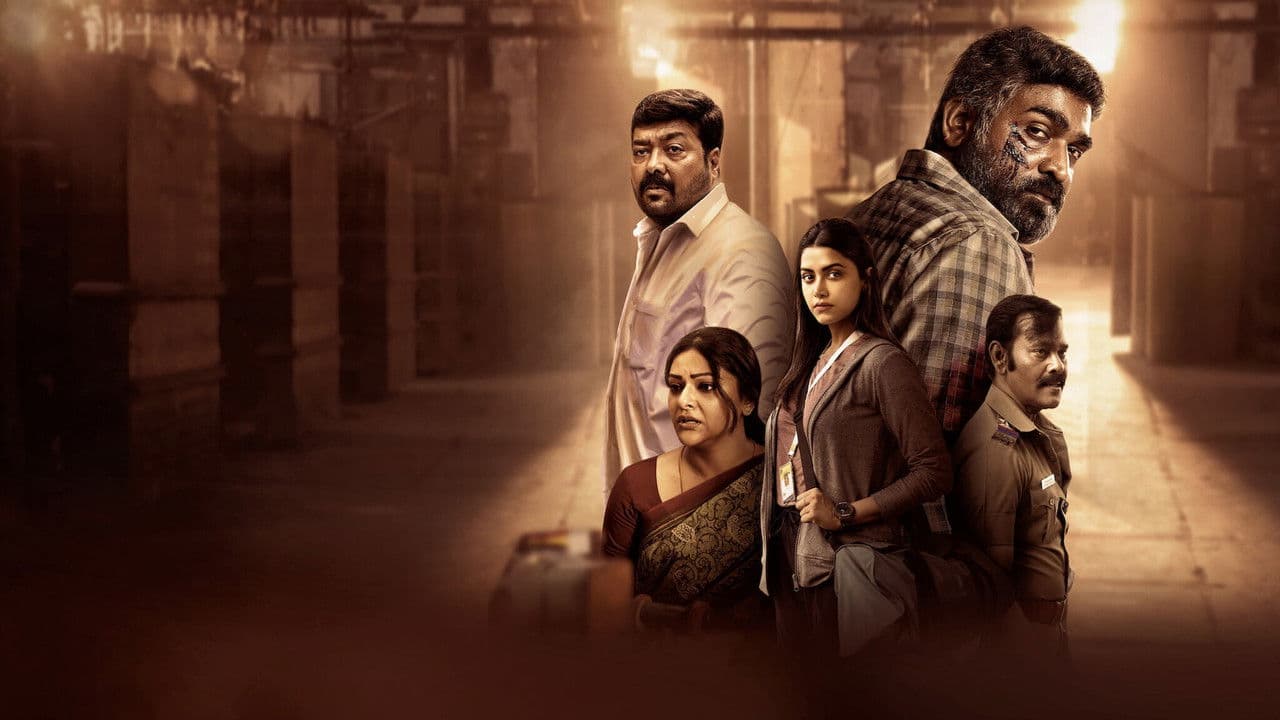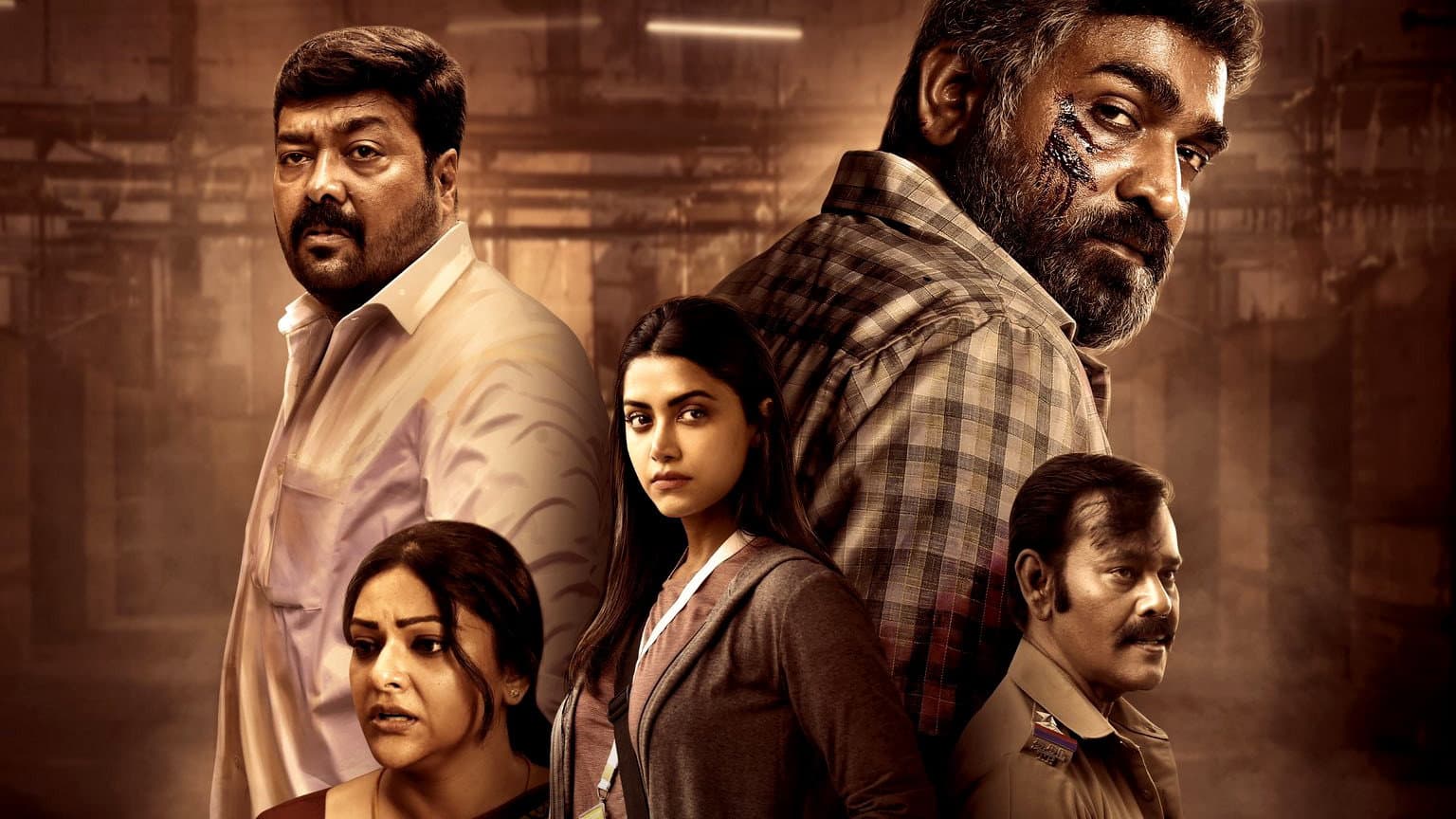
Hollywood has officially come knocking on Maharaja's door. The team behind the Tamil action-mystery hit has confirmed that an American studio has approached them about a remake, turning a gritty tale of a mild-mannered barber and his missing "Lakshmi" into a potential Hollywood property. The reveal landed during a panel at the WAVES Film Bazaar, where industry insiders gathered to chew over a question that's been buzzing around for years: can Indian intellectual property actually travel beyond its home turf?
The answer, at least in this case, appears to be a cautious yes. According to the producer, talks are at an approach stage - no contracts, no casting, no director locked in - but the mere fact of the conversation is being treated as a milestone. For a film that arrived in June 2024 with a modest profile and a knotty, slowly unfolding mystery, unsolicited interest from Hollywood is the kind of validation that doesn't come around often.
The Barber Who Went Global
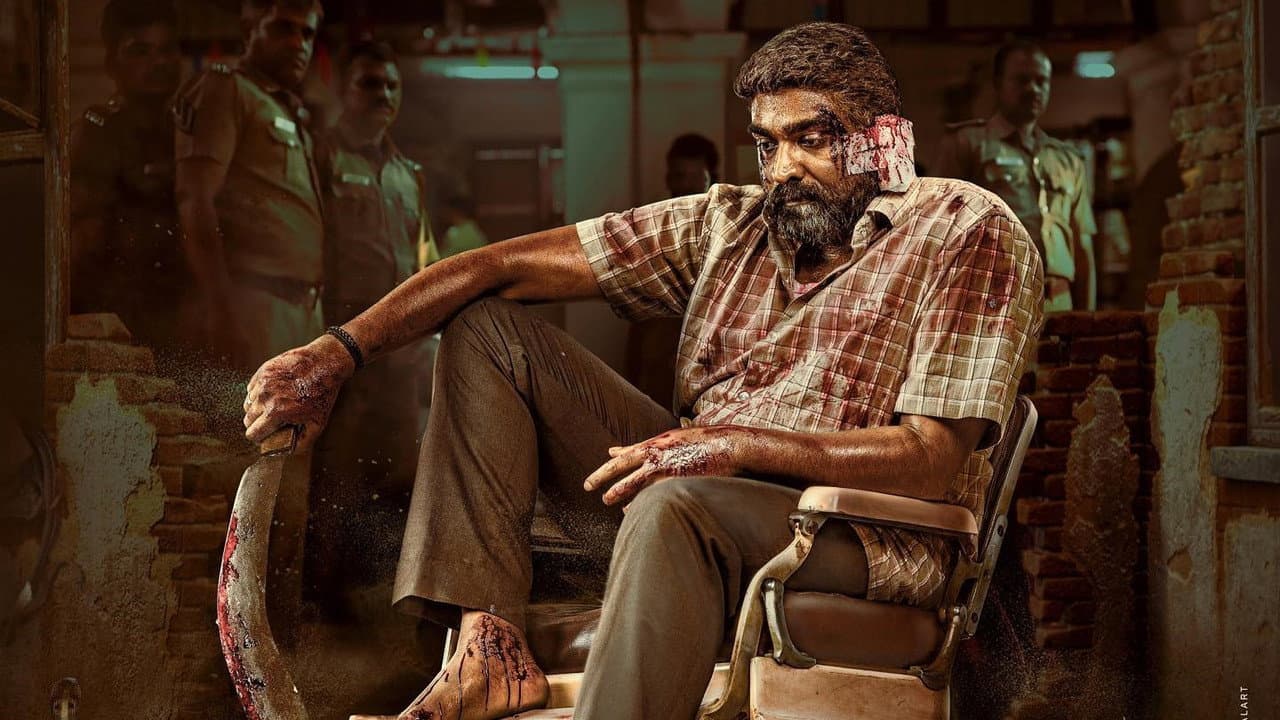
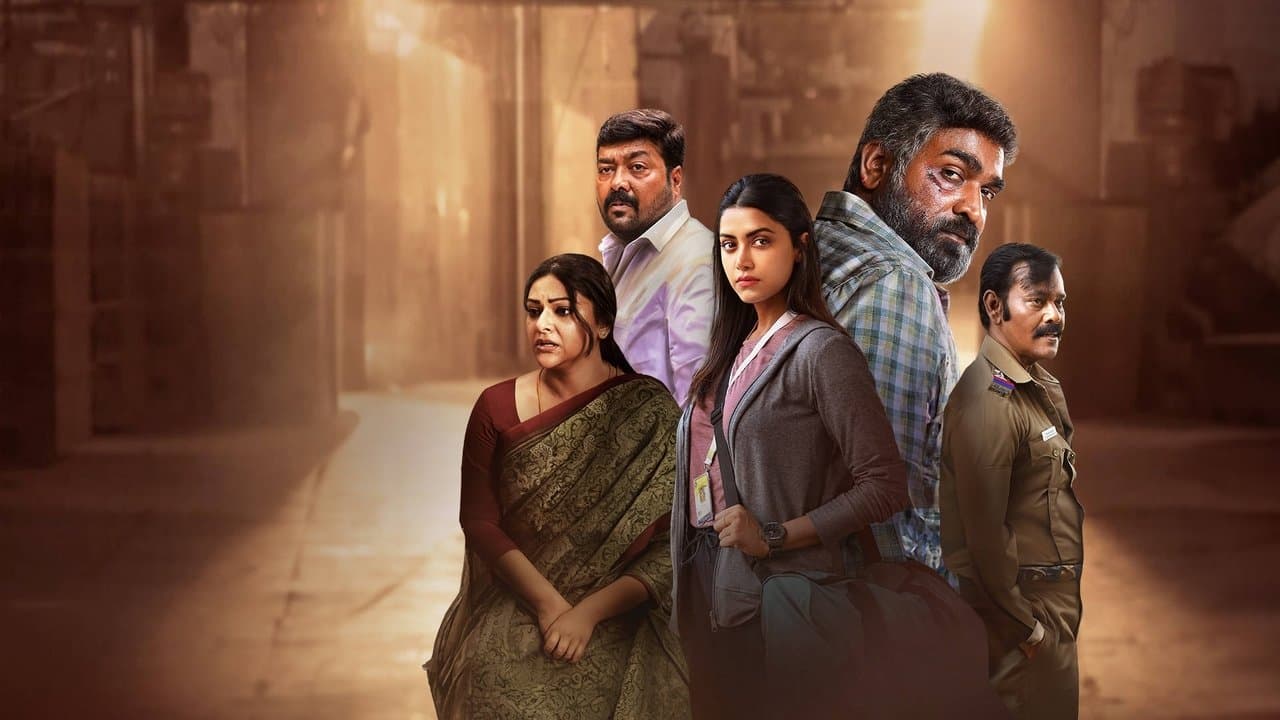
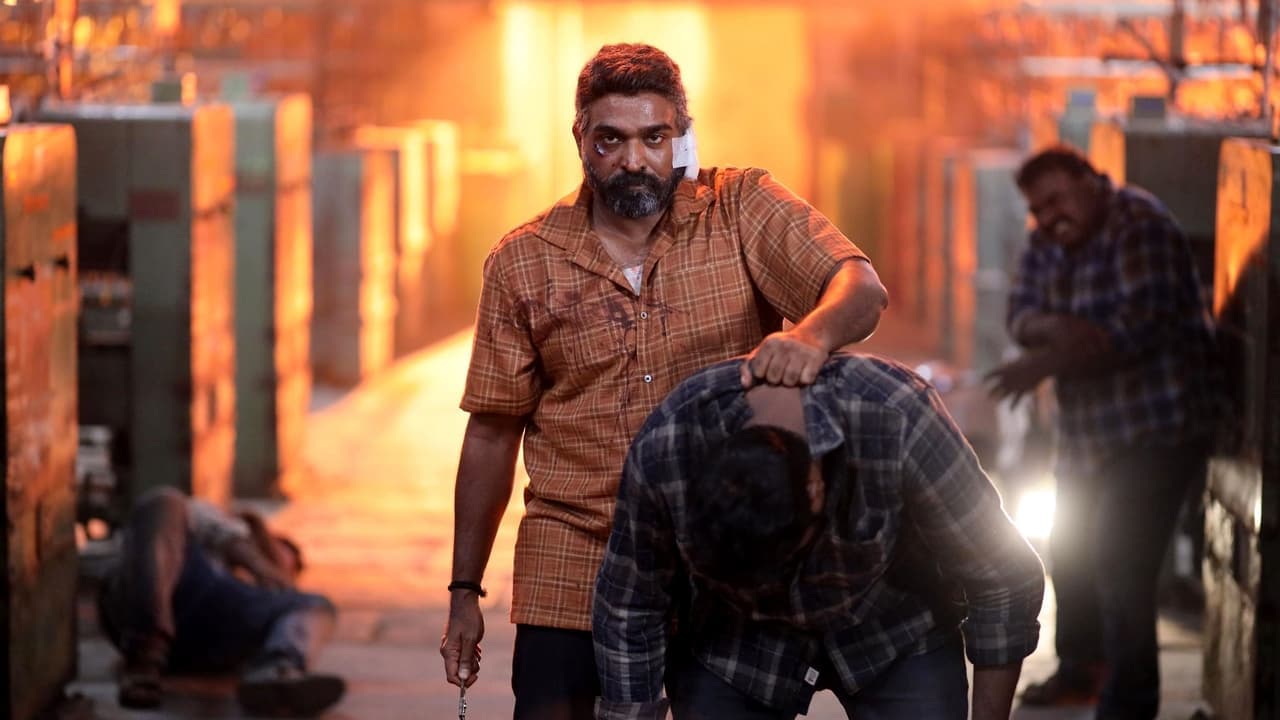
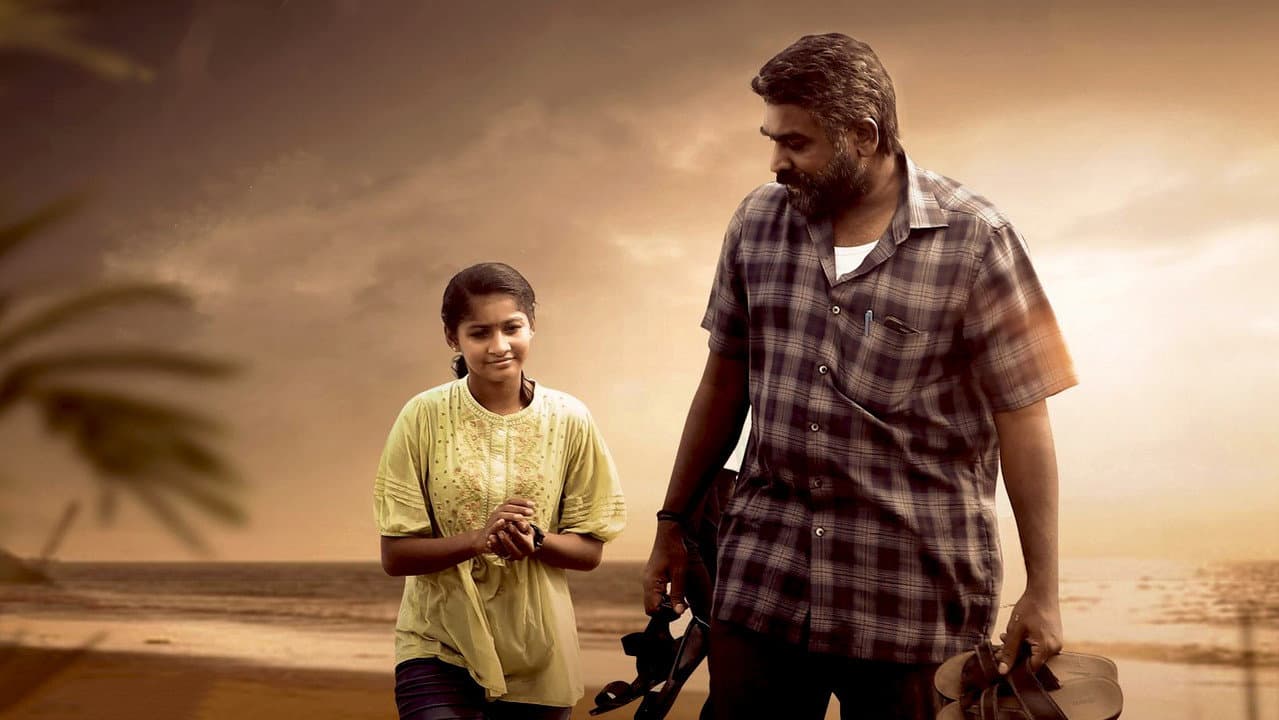
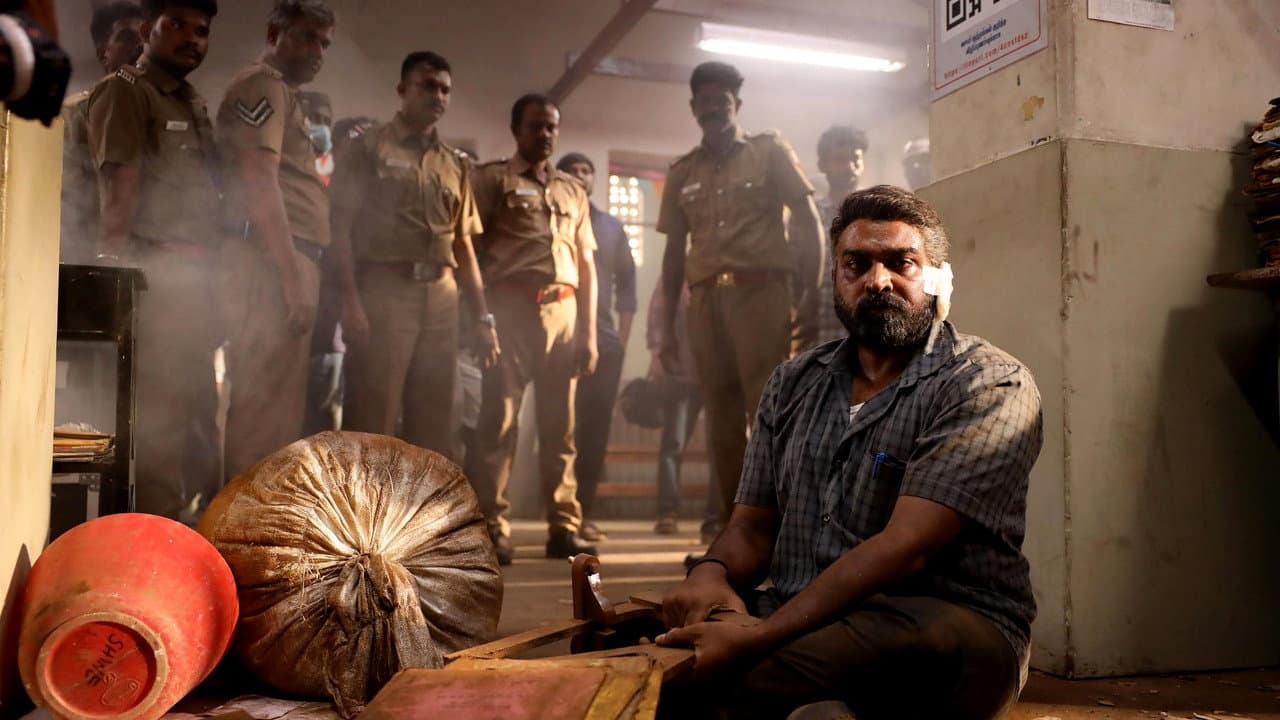
If you somehow missed Maharaja, here's the setup in a nutshell: Vijay Sethupathi plays a quiet barber whose home gets burglarized, and he marches into a police station insisting his "Lakshmi" has been stolen. The cops spend a good chunk of the runtime scratching their heads over whether Lakshmi is a wife, a daughter, a piece of jewelry, or something else entirely - and they're not especially polite about his pleas. What they're actually looking for turns out to be far stranger and more devastating than any of them guessed.
That's the engine that made Nithilan Saminathan's 141-minute thriller such a word-of-mouth juggernaut. It's an action-thriller wrapped around a mystery, but its real weapon is structure - the way it withholds, misdirects, and then detonates. Audiences responded with genuine enthusiasm: a 7.7/10 on TMDb and a hefty 8.3/10 on IMDb. Vijay Sethupathi anchors the whole thing as Maharaja, backed by a deep bench that includes Anurag Kashyap as Selvam, Natarajan Subramaniam as Inspector S. Varadharajan, Abhirami as Kokila, Mamta Mohandas as Aasifa, Sachana Namidass as Jothi, and Munishkanth as Constable Kuzhandhaivelu. It's an ensemble that trades in small, lived-in performances before the film pulls the rug out.
Why a Hollywood Remake Is Trickier Than It Sounds
On paper, the pitch is clean: a revenge thriller with a killer twist. But the WAVES panel wasn't there to cheerlead - it was there to interrogate. The central tension is that Maharaja's power doesn't live in its premise so much as in its sequencing. Strip away the cultural texture and the careful pacing, and a remake risks flattening a mystery into a checklist. A Hollywood version could keep the barber, the burglary, and the cryptic plea, but it would need to rebuild the slow-burn architecture that made the original land. That's the part that doesn't translate on a spreadsheet.
Then again, the panel's broader question - whether Indian IP can cross borders - is already being answered in real time across the industry. Streamers have widened the audience for regional Indian cinema dramatically, and remakes have long flowed in the other direction, with Indian filmmakers adapting foreign hits for local audiences. What's newer is the reverse traffic: Western studios eyeing Indian originals as source material. The Maharaja approach is a test case, and everyone in that room knew it.
What Happens Next
For now, the honest answer is: not much, and that's fine. An "approach" is the movie-business equivalent of a friendly coffee - flattering, noncommittal, and easily derailed. The producer's confirmation carries weight precisely because they didn't oversell it. No studio is named, no timeline is offered, and nobody is pretending a green light is imminent.
Still, it's hard not to root for the little thriller that could. Maharaja was never a franchise-starter or a tentpole; it was a director's tightly wound puzzle and a star's quiet, devastating performance. The idea of a Hollywood barber asking American cops about his Lakshmi is either a brilliant translation or a cautionary tale waiting to happen - and until someone signs on the dotted line, it stays in the delightful limbo of "maybe." For Indian IP, though, the message from the Bazaar is clear: the door is open, and people are peeking in.
Source: Variety