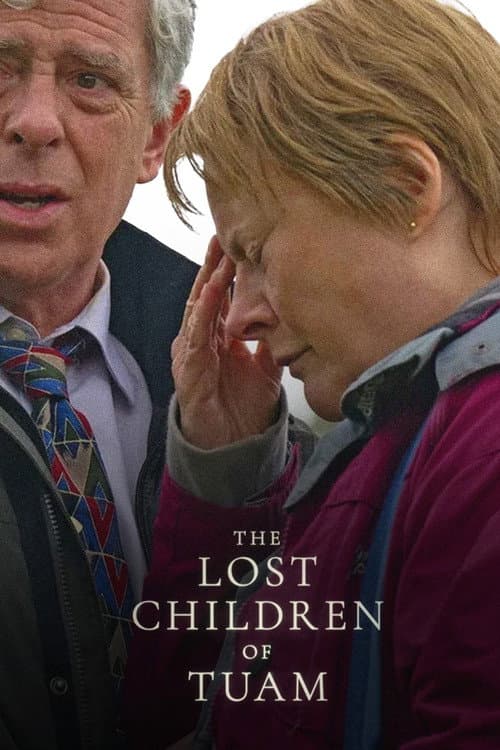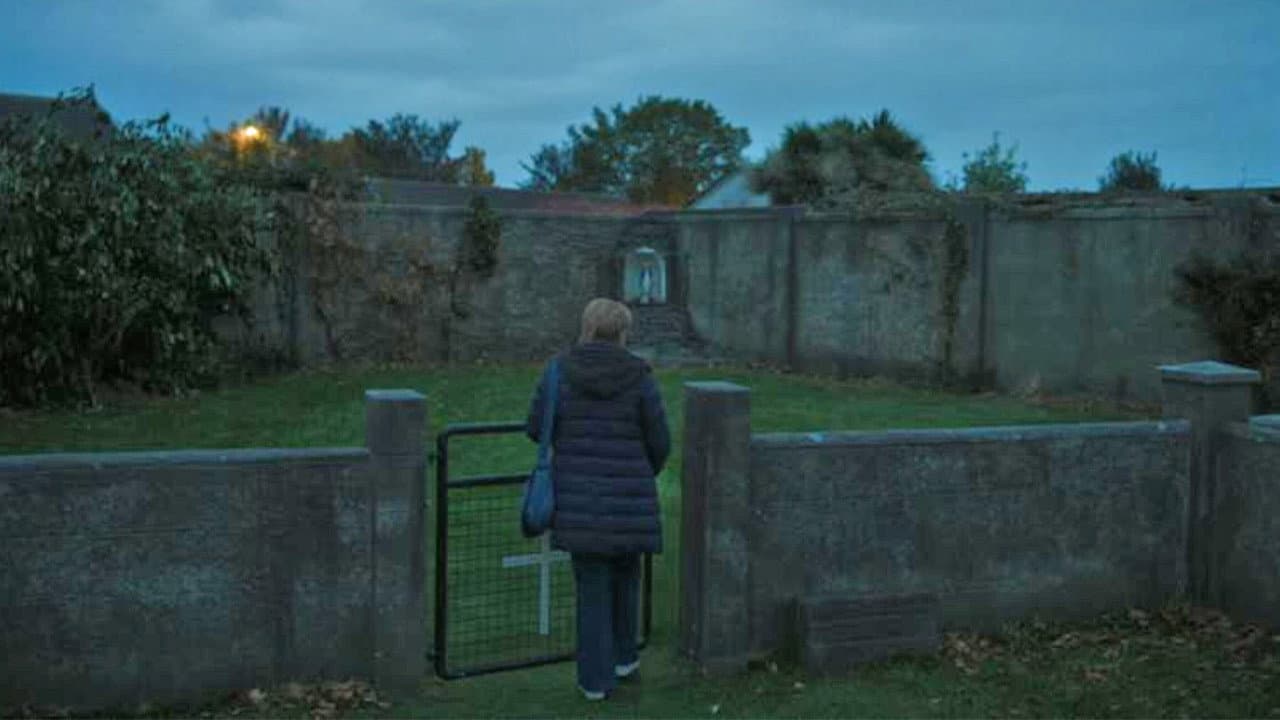
The first trailer for The Lost Children of Tuam has finally landed, and it’s already shaping up to be one of the most harrowing historical dramas of the fall. The film, which hits theaters on September 25, 2026, dives headfirst into one of Ireland’s most painful and long-buried scandals, and if the preview is any indication, it’s not pulling any punches.
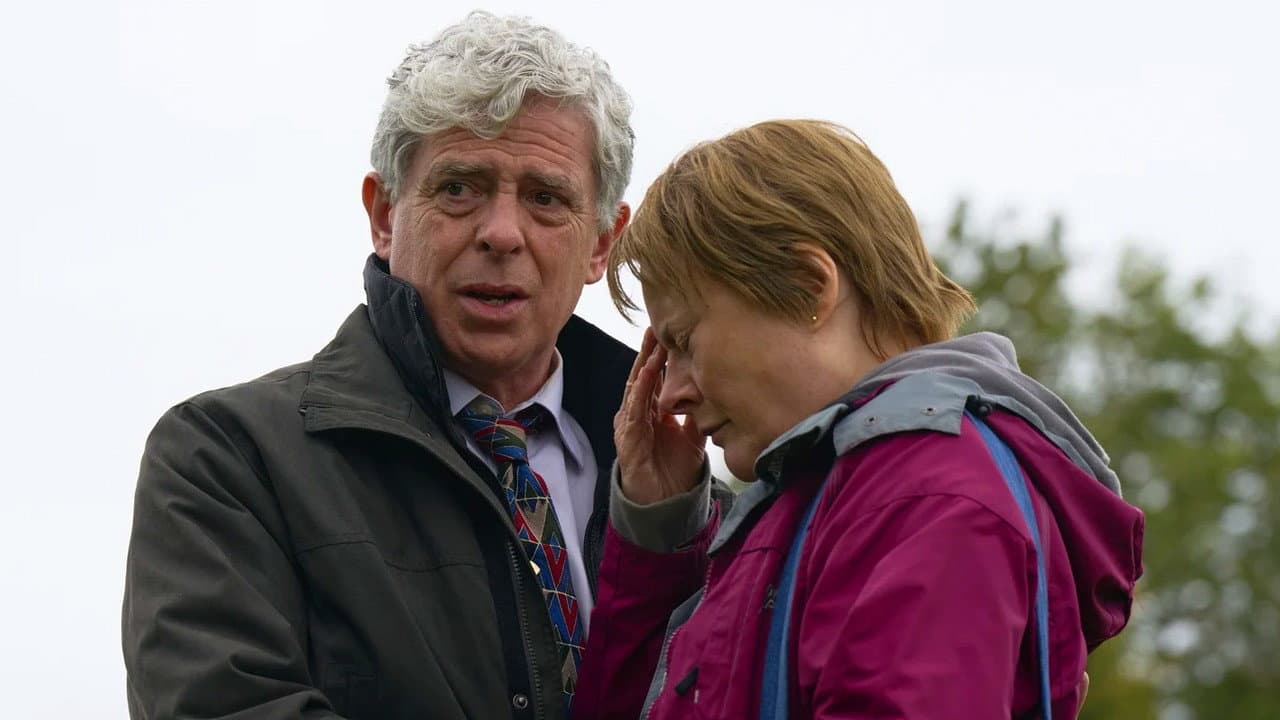
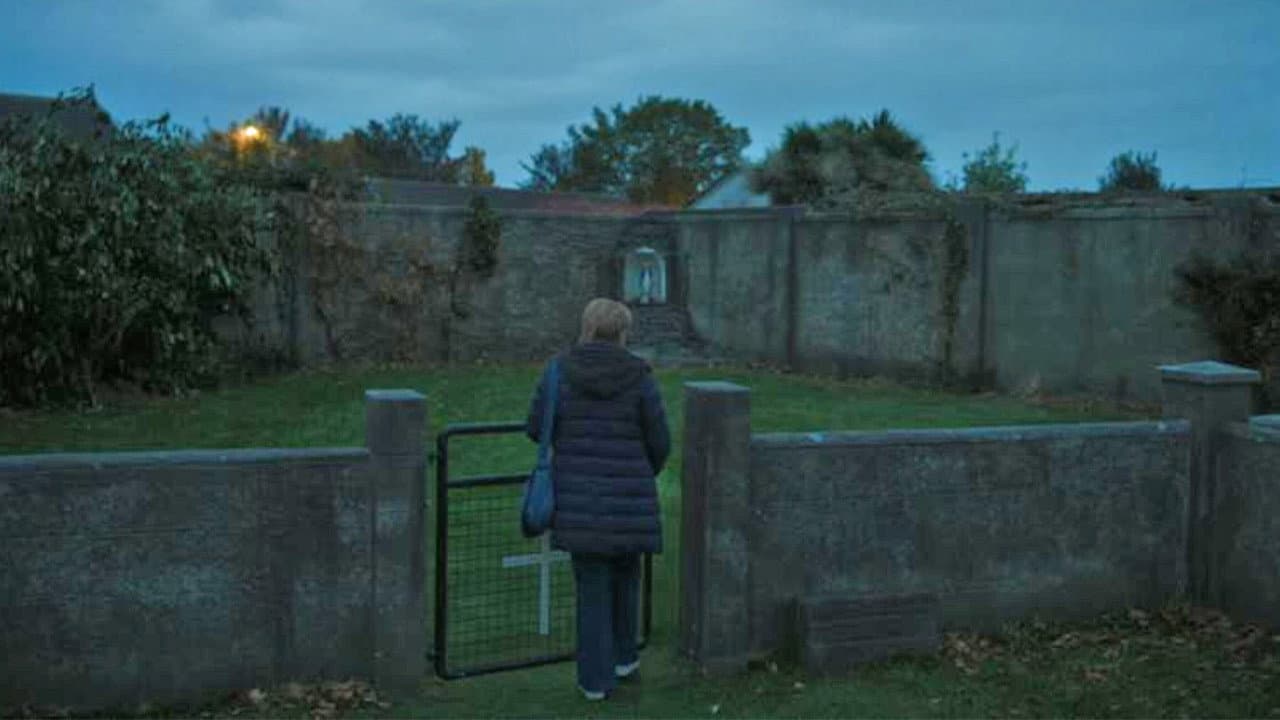
Starring Monica Dolan as amateur historian Catherine Corless, the 84-minute feature follows her real-life crusade to uncover what truly happened at the former Mother and Baby Home in Tuam, Co. Galway. What starts as a simple records check spirals into a full-blown investigation that pits a small-town woman against the combined weight of the Catholic Church, the Irish State, and a local community that would rather forget than confront. The trailer teases a slow-burn thriller of archival dust, stubborn resistance, and gut-wrenching discoveries, all set against the moody, rain-soaked backdrop of the Irish countryside.
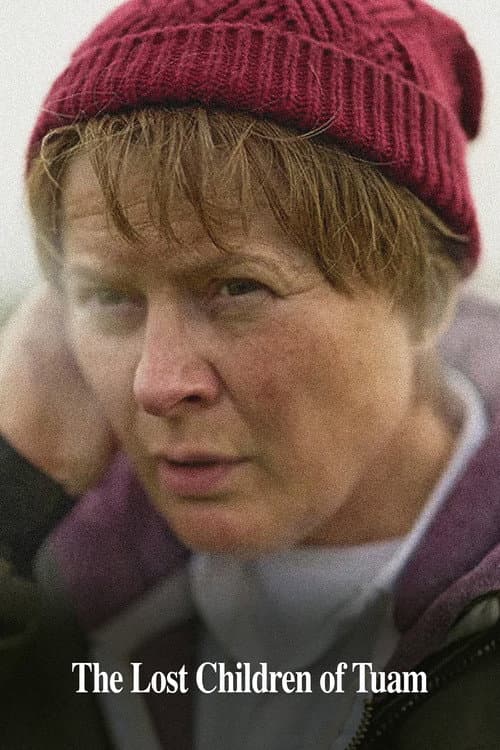
Director Frank Berry, known for his unflinching, character-driven approach to social issues, is clearly aiming for something more than a standard docudrama here. The footage suggests a tight, tense narrative that treats Corless’s work not just as historical detective work, but as a deeply personal battle. Dolan, who has a knack for playing quietly formidable women, looks utterly transformative in the role - frustrated, tireless, and radiating the kind of moral clarity that makes you want to stand up and cheer between sobs.
The supporting cast is stacked with Irish acting royalty. Ian McElhinney, the beloved Game of Thrones alum, turns up alongside Andrew Bennett and Ruth McCabe, all of whom appear to be playing the various pillars of a society closing ranks. There’s a particularly chilling moment in the trailer where a group of townsfolk stare down Corless in silence - no shouting, no violence, just the cold, suffocating pressure of a community that wants her gone. It’s the kind of quiet menace that speaks louder than any explosion.
The story itself is achingly relevant. Corless’s real-life research uncovered evidence that hundreds of children who died at the home - which operated from the 1920s to the 1960s - were unceremoniously buried in a mass grave on the property. Her findings forced a national reckoning, prompting a formal state investigation and sending shockwaves through an Ireland still grappling with its institutional past. The trailer wisely avoids turning this into a gruesome spectacle; instead, it focuses on the bureaucratic runaround, the sealed files, and the casual cruelty of officials who just can’t be bothered to answer a simple question. That’s arguably scarier than any horror movie monster.
Berry’s direction looks intimate and restrained, leaning on weathered faces and grey skies to do the heavy lifting. There’s no sweeping score to manipulate your emotions here - just raw dialogue and the weight of silence. Dolan’s performance is the anchor; you can see the exhaustion creeping into her eyes with every scene, yet her jaw remains set. It’s a masterclass in portraying the grinding reality of activism, where the victories are measured in access to a single faded document rather than triumphant speeches.
The film, produced in Hollywood with English as its original language, is clearly angling for an international audience, and for good reason. While the specifics are uniquely Irish, the themes are universal: the arrogance of power, the erasure of the voiceless, and the incredible stubbornness of a single person refusing to look away. The trailer even sneaks in a subtle jab at how easily history is rewritten when there’s money and reputation on the line - a note that will certainly resonate well beyond the Emerald Isle.
It’s still early days, and the film doesn’t have any critical buzz or box-office projections attached to it yet, but if this trailer is anything to go by, The Lost Children of Tuam is going to be a force during awards season conversations. It’s a heavy watch, sure, but it feels like an essential one. Mark your calendars for late September, because this is one story that demands to be seen - and remembered.
Source: The Times of India