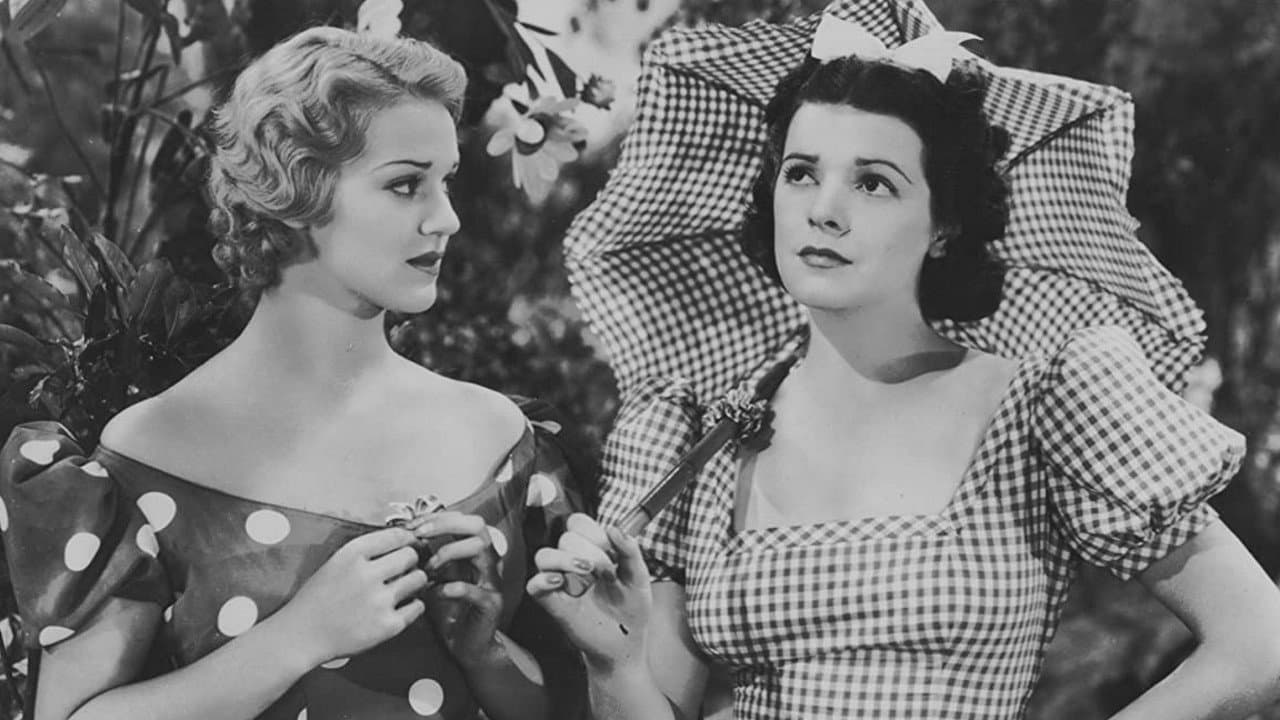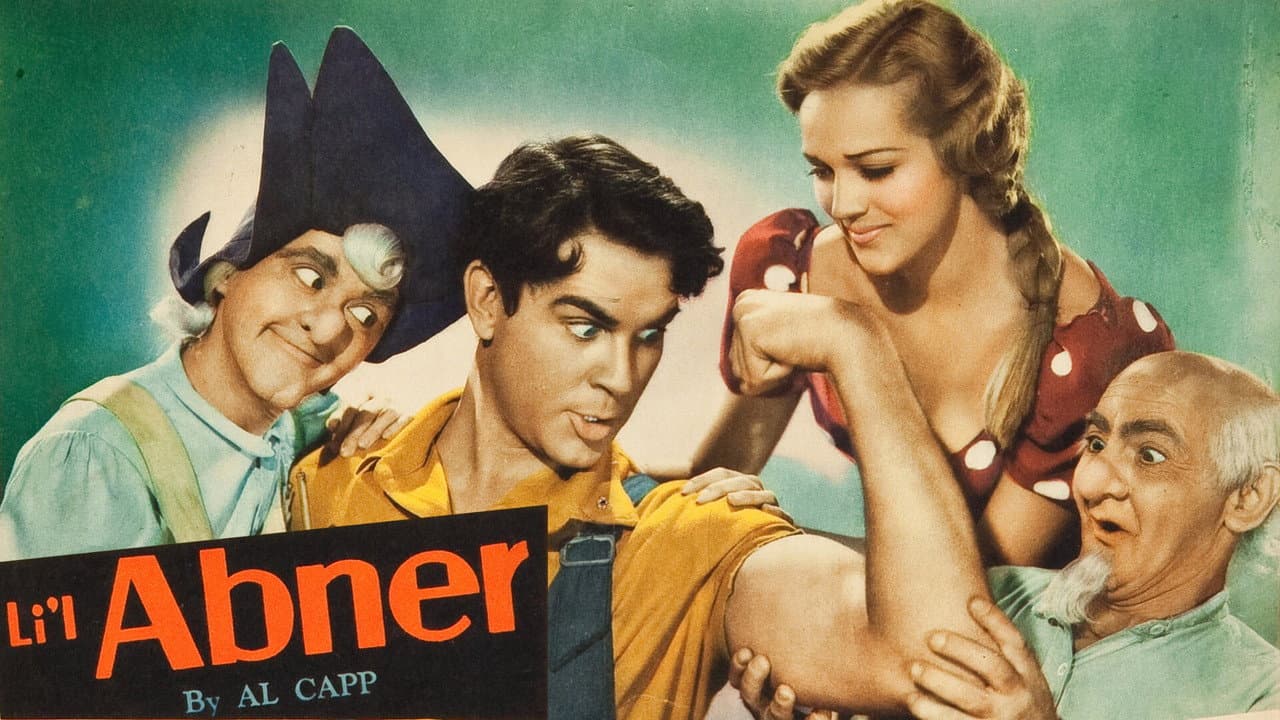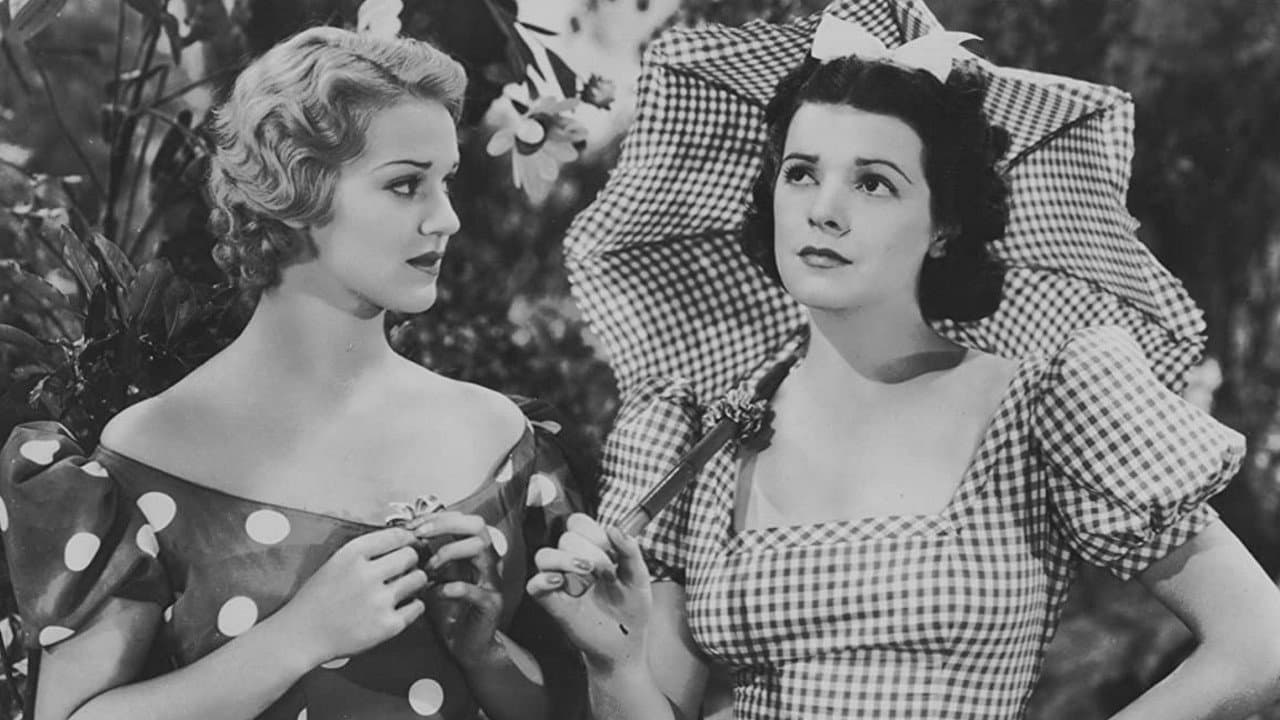
Leslie Parrish, the Hollywood starlet best remembered for playing Daisy Mae in the 1940 comedy Li'l Abner and for her later life as a dedicated activist, has passed away at the age of 90. The news was confirmed by family members, though no cause of death was immediately provided. Parrish’s death marks the end of a remarkable life that spanned golden-age stardom, a voice in political movements, and a quiet but impactful second act behind the scenes.
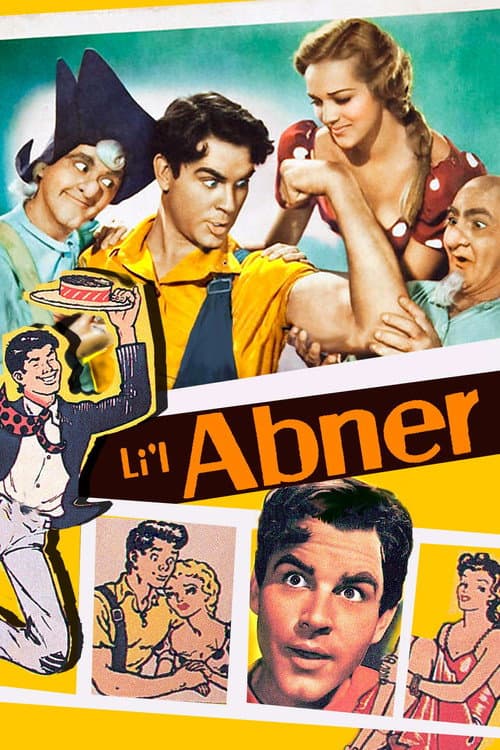
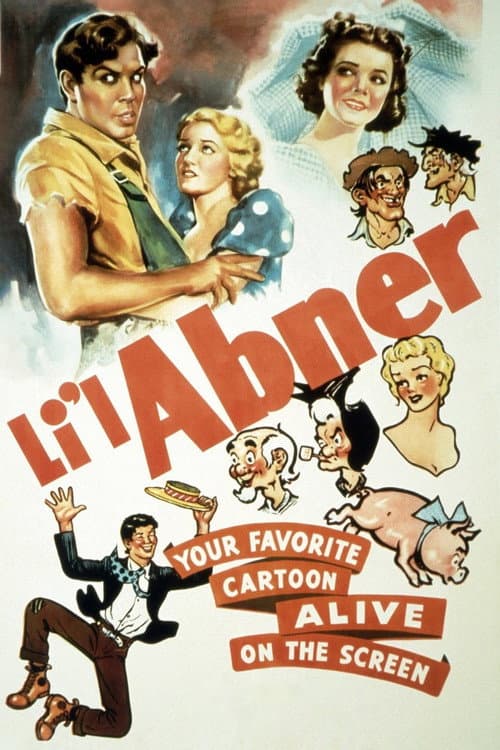
Born in the early 1930s, Parrish came of age during Hollywood’s most glamorous era, and her big break arrived in 1940 with Li'l Abner. The film, based on Al Capp’s popular comic strip, was a zany, fast-paced comedy in which her character, the eternally lovesick Daisy Mae, finally gets her man. In the movie, Li'l Abner (played by Jeff York) is convinced he has only twenty-four hours to live, which leads him to promise marriage to both Daisy Mae and the fiery Wendy Wilecat (Kay Sutton). All of it comes to a head at the Sadie Hawkins Day race, where the women of Dogpatch literally chase down their future husbands. With a lean 78-minute runtime, the picture was a brisk, silly crowd-pleaser that showcased Parrish’s charm and comic timing alongside a cast that included the legendary Buster Keaton as Lonesome Polecat.
Li'l Abner was released on November 9, 1940, and though it didn’t exactly set the box office on fire, it earned a solid reputation over the years as a wacky, lightweight romp. Directed by Albert S. Rogell, the movie leaned into the strip’s hillbilly satire, with Parrish holding her own opposite a cast of seasoned scene-stealers. The film currently holds a modest 6.071 rating on TMDb, a reflection of its status as a curiosity rather than a classic, but for Parrish, it was a launching pad.
She was born Leslie Parrish (a stage name she adopted early on) and quickly became a familiar face in 1940s cinema, though her most prominent roles often came in B-movies and serials. Still, she had that undeniable spark - the kind of bright-eyed, wholesome presence that made her a natural fit for comedies and musicals. But by the late 1940s, Parrish was already shifting her focus. She married, started a family, and gradually stepped away from the relentless demands of Hollywood.
What truly defined Parrish in her later years was her activism. Unlike many former starlets who fade into comfortable obscurity, Parrish threw herself into social and political causes, particularly around civil rights and anti-war efforts. Friends and colleagues remember her as fiercely principled, someone who used her celebrity not for red carpets but for rallies and fundraisers. She was known to speak at events, write letters to politicians, and quietly support grassroots organizations - work she did with little fanfare but immense dedication.
In interviews over the decades, Parrish often reflected on her abrupt exit from acting. It wasn’t that she disliked the craft, she said; she simply found more meaning in the real world. “I loved the people I worked with, but I wanted to make a difference,” she once told a local newspaper. “Movies are make-believe, and I was ready for something real.” That philosophy guided her for the rest of her life.
She remained in contact with a few of her Li'l Abner costars over the years, though most of them passed away long before her. The film’s enduring, slightly absurd legacy - featuring a reluctant groom, two competing brides, and a race that decides everyone’s fate - keeps Parrish’s early work alive for new generations of classic movie fans. The movie’s premise, that panic over one’s own mortality leads to hasty vows, feels oddly fitting for a story about a young starlet who later chose a path far away from the industry’s spotlight.
Parrish is survived by her children and grandchildren. The family has asked for privacy during this time, but a small memorial service is planned for early September. Though she left the silver screen decades ago, Parrish’s impact was felt long after - not just in film history books, but in the communities she fought for. In an era when stars often stayed silent, she was one of the rare ones who stood up, spoke out, and let her actions do the talking. That’s the legacy that matters most.
Source: Just Jared