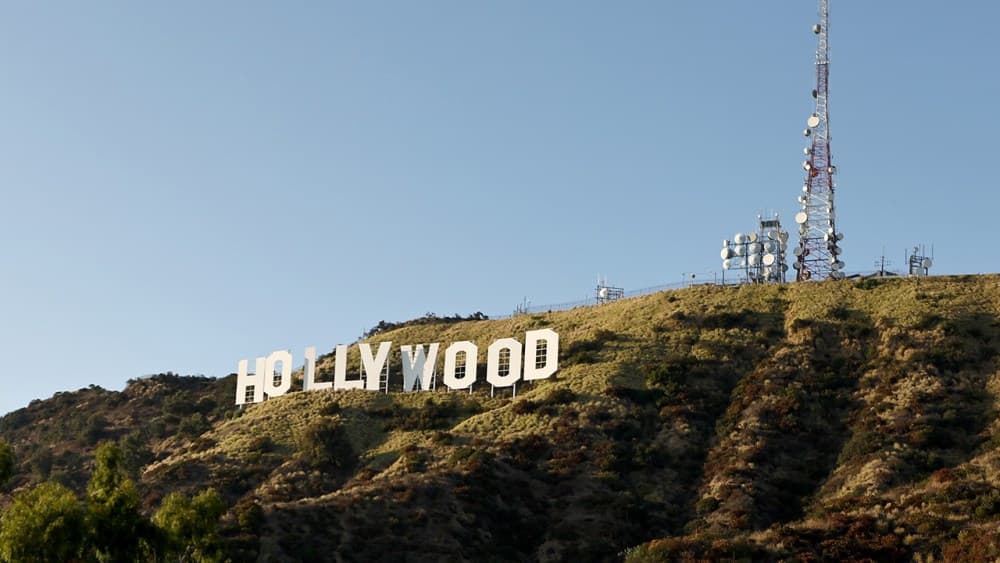
Hollywood might finally be getting the rescue rope it's been begging for. A bipartisan crew of lawmakers has rolled out a proposal for a new federal tax incentive that would hand U.S. film and television productions a credit worth between 20% and 30% of their qualifying costs - a direct shot at luring back the blockbusters, series, and prestige dramas that have spent the last decade fleeing to soundstages in London, Toronto, and Budapest.
The plan, unveiled with all the fanfare of a studio tentpole announcement, is being framed as nothing less than a bid to restore Hollywood production to its former glory. For years, industry insiders have watched with growing alarm as the U.S. share of major film and TV shoots has quietly shrunk, with states and foreign governments dangling ever-more-generous rebates like a red carpet rolled out across the Atlantic. This new proposal aims to swing the spotlight back home.
The Math Behind the Madness
Here's the logline: productions that qualify would see a federal credit landing somewhere in that 20% to 30% band, layered on top of whatever state-level incentives they can already snag. That stacking matters. California, Georgia, New York, and Louisiana have long run their own programs, but the patchwork system has left producers doing spreadsheets worthy of an Oscar just to figure out where the numbers actually pencil out. A federal backstop could change that calculus in a hurry - suddenly, shooting in Atlanta or Burbank looks a lot less like leaving money on the table compared to a tax-friendly jaunt to Vancouver.
The proposal doesn't pretend to be charity. Its architects are selling it as an economic engine, the kind that keeps below-the-line workers - gaffers, editors, set carpenters, costume designers - employed in the towns where the industry was born. When a production picks up stakes and moves abroad, those paychecks go with it. That's the loss this incentive is trying to reverse.
Why Hollywood Is Holding Its Breath
The timing is no accident. Production in the U.S. has been sluggish, with studios tightening their belts after years of streaming-war overspending. Simultaneously, international competitors have sharpened their offers, turning entire regions into production hubs with modern facilities and crews that used to work exclusively in Los Angeles. The result is a global business where a single show can span three countries before it ever hits a screen - and where American tax dollars, until now, haven't had a seat at the table.
Supporters argue a federal credit would accomplish two things at once: it would make the U.S. competitive on price, and it would signal that the country actually wants this industry to stay. That second part is psychological as much as financial. Producers chase certainty, and a long-term federal commitment reads as stability in a business built on risk.
The Skeptics Get a Monologue Too
Of course, no Hollywood pitch gets greenlit without notes. Critics of federal film incentives have long argued that these programs amount to corporate welfare dressed up in glitter - handing subsidies to profitable studios while the promised economic ripple effects prove hard to measure. Others worry about a race to the bottom, where countries and states keep one-upping each other's offers until the credits balloon beyond any reasonable return.
There's also the question of how the money would be distributed. Would tentpole franchises hog the credit while indie films - the ones that actually need a lifeline - get squeezed out? Would the incentive favor big-budget productions with the lobbying muscle to shape the rules? These debates are already simmering, and they'll likely dominate the conversation as the proposal moves through the legislative gauntlet.
What Happens Next
For now, the measure is just that - a proposal, not law. It'll need to survive committee hearings, amendments, and the kind of horse-trading that makes a third-act plot twist look tame. Industry guilds and studio lobbyists are expected to rally behind it, while fiscal hawks will take aim at the price tag. Whether it lands on the president's desk or dies in development hell is anyone's guess.
What's clear is the message behind the move: Washington is finally paying attention to the credits rolling overseas. For a town that's spent years watching its stages go quiet and its crews scatter, a 20%-to-30% federal incentive feels less like a handout and more like a comeback arc. And if there's one thing Hollywood understands, it's the value of a good third-act reversal.
Now all that's left is the greenlight.
Source: Variety