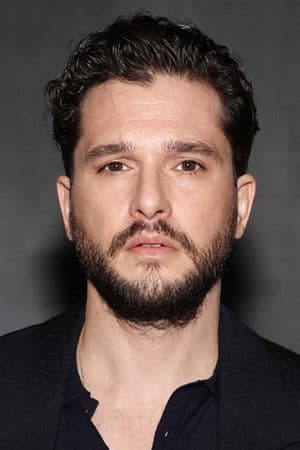
Jon Snow may not be done wandering the frozen north just yet. Kit Harington, the actor who spent eight seasons trudging through snow, betrayal and an increasingly complicated family tree as the brooding hero of Game of Thrones, has hinted that a long-rumored sequel series centered on his character could still happen - and this time, he says, he would come to it with a very different mindset.
The project, which had been quietly gesturing toward life at HBO before seemingly losing momentum, has never officially been greenlit. But in a new conversation, Harington suggested the door isn't nailed shut. In fact, he sounds warmer on the idea than he has at any point since the mothership series signed off.
"Now I Feel More Comfortable"
The headline-grabbing part of Harington's remarks is the shift in his own headspace. He admitted that when the idea first surfaced, he wasn't in any shape to jump back into the cloak and the fur. Playing Jon Snow for the better part of a decade took something out of him - the exhaustive production schedule, the global scrutiny, the way a single character can swallow an actor whole.
"Now I feel more comfortable," Harington said, framing the change as a personal one rather than a creative or corporate breakthrough.
That's a meaningful distinction. For years, the conversation around any Jon Snow spinoff was less about story and more about whether Harington himself could stomach a return. He's been candid about the toll the role and the show's intensity took on his mental health, and the ending of Game of Thrones in 2019 gave him a clean exit from a character he'd inhabited since he was a young man.
Distance, apparently, has done what distance usually does. It softened the edges.
A Project That Never Quite Died
For the uninitiated - or anyone who has blissfully blocked out the post-finale news cycle - a Jon Snow sequel was in development for a while, with Harington himself attached. It was one of several Thrones successors being batted around at HBO, alongside projects that have since come and gone. Some, like the prequel that became House of the Dragon, made it all the way to air. Others dissolved quietly into the Long Night.
The Jon Snow concept always occupied a strange middle ground. It was the one spinoff that would have functioned as a direct continuation rather than a prequel or a side story, picking up the threads of the main saga instead of rewinding the clock. That made it both tantalizing and risky. The finale may have been divisive, but it was also definitive in its own messy way, sending Jon into exile beyond the Wall with his wolf and his regrets as his only company.
Continuing that story means answering questions the show deliberately left open. And it means living in the shadow of a conclusion that a loud portion of the audience is still arguing about years later.
Why Timing Might Actually Matter
Here's the thing about Harington's "more comfortable" comment - it lands at a moment when the franchise's temperature has shifted. House of the Dragon has kept Westeros alive on television, drawing audiences and awards attention while reminding viewers that George R.R. Martin's world still has plenty of storytelling gas in the tank. A Jon Snow series no longer has to carry the entire legacy on its shoulders. It could simply be one lane on a much wider highway.
There's also the matter of what's left to explore. Jon's arc ended with him heading north of the Wall, a place the show treated as both punishment and promise. Whatever waits out there - wildlings, White Walker remnants, a life stripped of titles - is genuinely unexplored territory in live-action.
None of that guarantees anything. Harington's comfort level is a starting point, not a production order, and nothing in his remarks suggests cameras are rolling anytime soon. But in an industry where "development hell" is often permanent, a star saying he's open to returning is not nothing.
For fans who spent years grumbling about how Jon's story wrapped, the door being ajar is its own small plot twist. Whether it ever swings open - and whether audiences want to walk through - remains the real question.
Source: The Hollywood Reporter