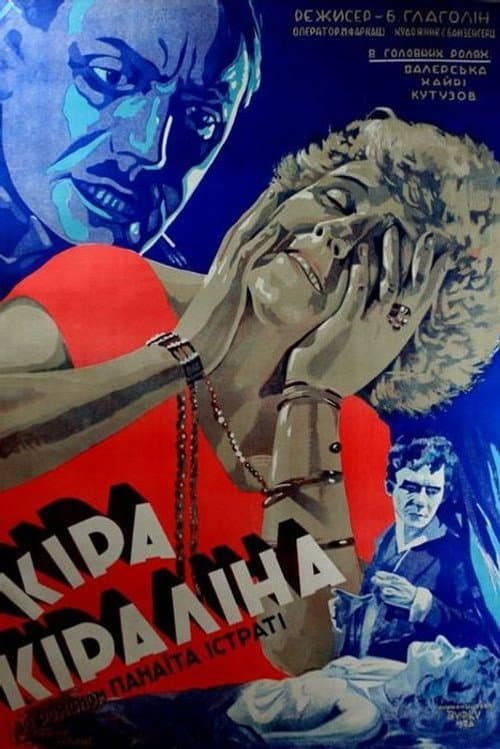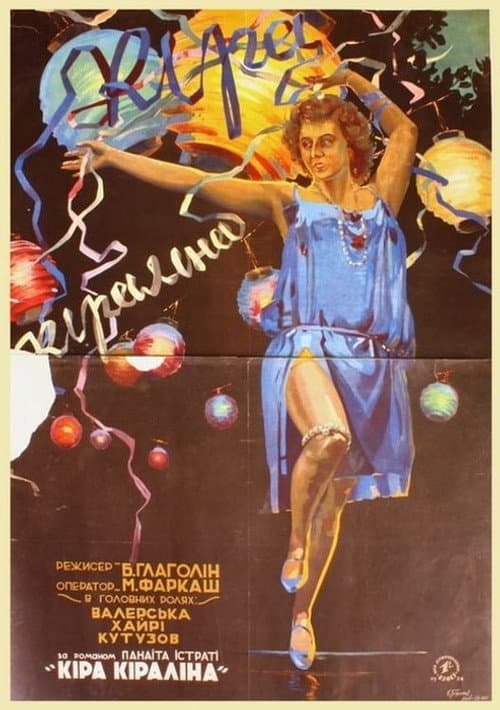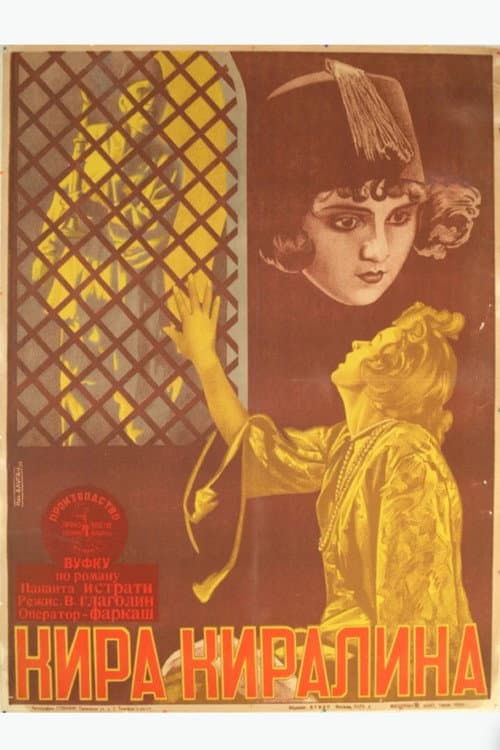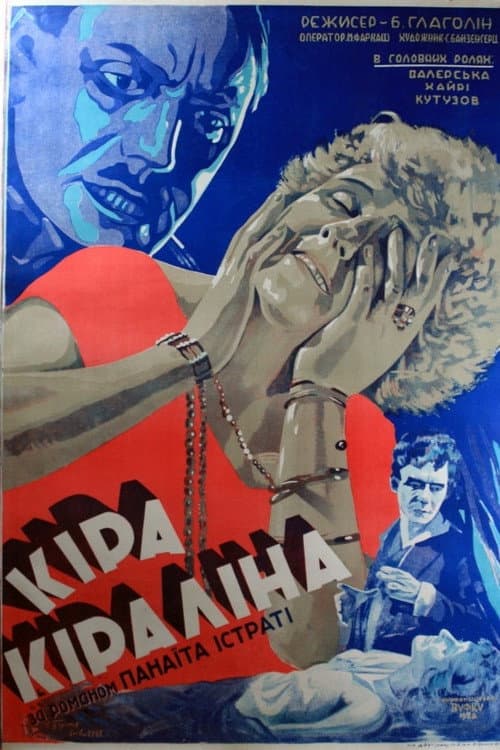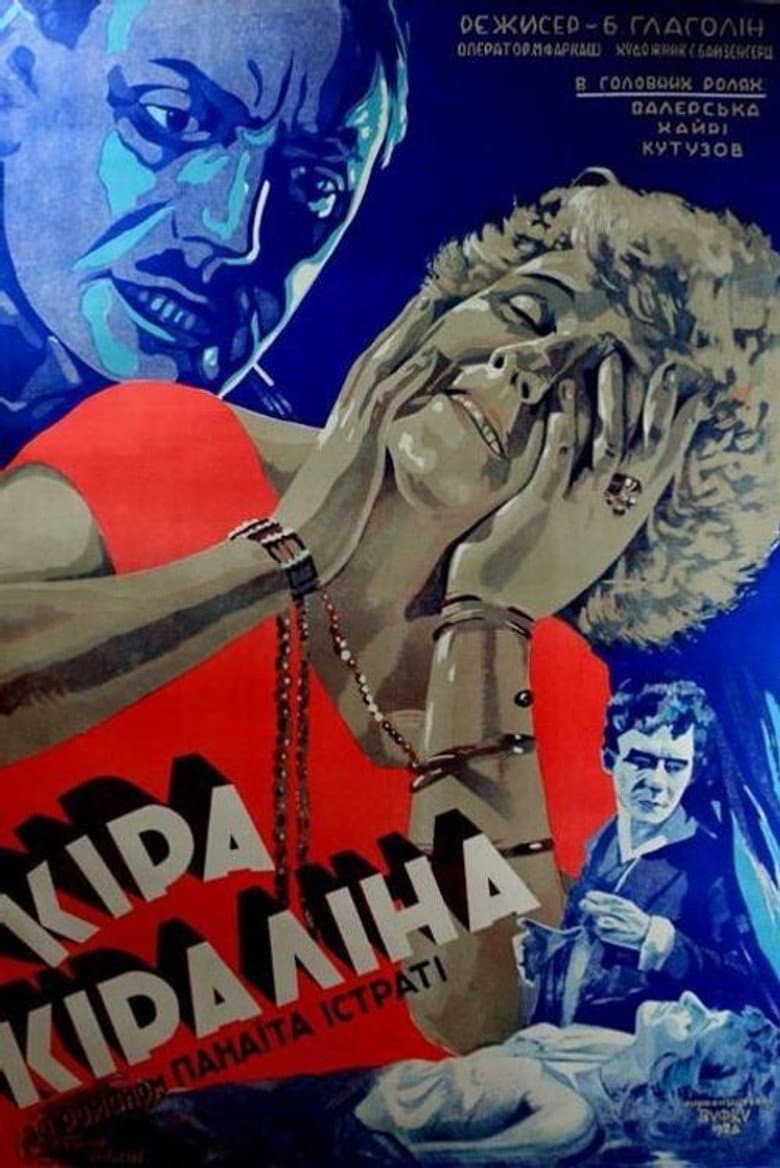
Well, here’s a plot twist nobody saw coming. A silent-era Ukrainian drama from 1928 - one that’s been sitting in the archives with a perfect zero rating on TMDb - is suddenly the hottest ticket in the international TV market. Kira, a century-old story about a girl sold into servitude before she’s even born, is heading to MIPCOM, and it’s bringing a freshly minted AI-generated sci-fi makeover along for the ride. Yes, you read that right: the same tale that premiered nearly 100 years ago is being repackaged as futuristic content, and first-look images are already making the rounds.
The project is being shopped by Ex Machina and K5, two outfits clearly betting that audiences will be as fascinated by the how as the what. The original film, directed by Boris Glagolin, was adapted from a literary work that pulled no punches: parents, drowning in debt, promise their unborn daughter to Stavro, a wealthy coach maker. Fast-forward thirteen years, and young Kira is taken into his home - not as a child, mind you, but as a slave wife. It’s grim, uncomfortable, and deeply human, which is exactly why it’s ripe for a genre-bending reimagining. The new version, per the MIPCOM buzz, leans into sci-fi territory - think Ex Machina vibes, not Little House on the Prairie - though details on exactly how the AI element gets woven into the story remain tantalizingly vague.
Here’s where it gets wild: the original cast is a who’s who of early Soviet cinema, and their performances were absolutely not computer-generated. Elena Valerskaya played Kira, with Olga Petrova-Zvantseva as her mother and A. Narovskiy as her father. Aleksey Vatulya took on the role of Stavro, the older man who essentially purchases a child bride. The supporting players include Yuriy Krestinskiy as Dragomir, Kira’s son; L. Rubina as Kiralina, her daughter; Nikolay Kutuzov as Ilya, Stavro’s son from his first marriage; Nikolai Akimov as Kozma, Kira’s smuggler brother. That’s a dense family tree for a movie that clocks in at an unknown runtime and has never been rated by anyone, apparently - zero out of ten means nobody’s bothered to grade it, which is either a red flag or a hidden gem waiting to be unearthed.
Now, the language of the original is Ukrainian - not Russian, not English - so any new adaptation is going to have to decide how to handle that heritage. The metadata is crystal clear on this point: it’s a Ukrainian-language production, full stop. No wiggle room, no “inspired by international folklore” nonsense. That’s a significant detail for buyers at MIPCOM, where authenticity and cultural specificity are hot commodities in a streaming landscape oversaturated with generic content. You can already picture the pitch: “What if a 1928 Ukrainian tragedy about a girl with no agency became a sci-fi saga about artificial intelligence and autonomy?” Suddenly, the title Kira whispers something more than a name - it’s a question about who gets to control a future that was sold before she was born.
The timing is also cheeky. The original film was released on April 23, 1928 - practically the dawn of cinema itself, just a year after The Jazz Singer shook up Hollywood with synchronized sound. Glagolin’s movie was silent, monochromatic, and deeply rooted in the social realism of its era. Fast-forward to 2026, and the same narrative is being retooled for a generation raised on deepfakes and chatbots. There’s something almost poetic about an AI-enhanced series based on a film made by humans in an era when “AI” wasn’t even a glimmer in Alan Turing’s eye. The irony isn’t lost on the folks at K5, who are apparently leaning hard into the juxtaposition as a marketing hook.
So what can we expect from the first-look images? Early whispers suggest a palette of cold steel blues and sterile whites, a stark contrast to the dusty, rural realism of the original. Kira’s 13-year-old self, in this version, might be a hologram or a cloned consciousness rather than a flesh-and-blood child. Stavro could be a tech mogul rather than a coach maker. The core moral question - what happens when someone thinks they can own you - remains untouched. That’s the smart play. You don’t change the beating heart of a story, even when you’re wrapping it in neon and neural networks.
Of course, the rating situation is amusing. A 0/10 on TMDb usually means “nobody’s voted,” not “everybody hated it.” So this isn’t a case of reviving a beloved classic; it’s more like resurrecting a forgotten artifact and giving it a cybernetic spine. That’s a bold strategy, but in 2026, bold is what sells. MIPCOM buyers will be scrutinizing the footage, the pitch decks, and the AI tools used to generate the visuals. Will they see the 1928 narrative as a skeleton key to unlocking modern anxieties about technology, consent, and exploitation? Or will it just be another gimmick with a cool and creepy backstory?
Either way, this is the kind of esoteric Hollywood-adjacent move that makes entertainment news fun. Kira isn’t just a reboot; it’s a time-traveling experiment. And with the first-look images dropping ahead of MIPCOM, the chatter is already starting. For a century-old movie with a zero rating and an unknown runtime, that’s a comeback story worthy of the screen itself.
Source: facebook.com