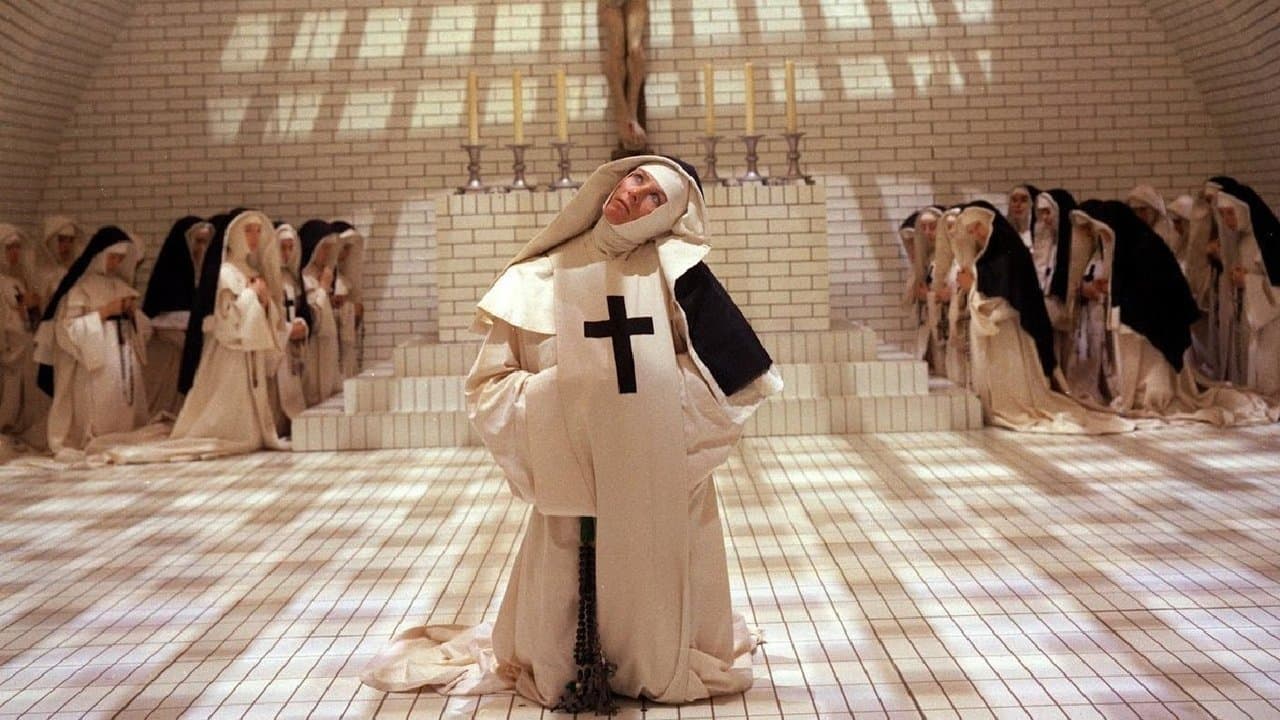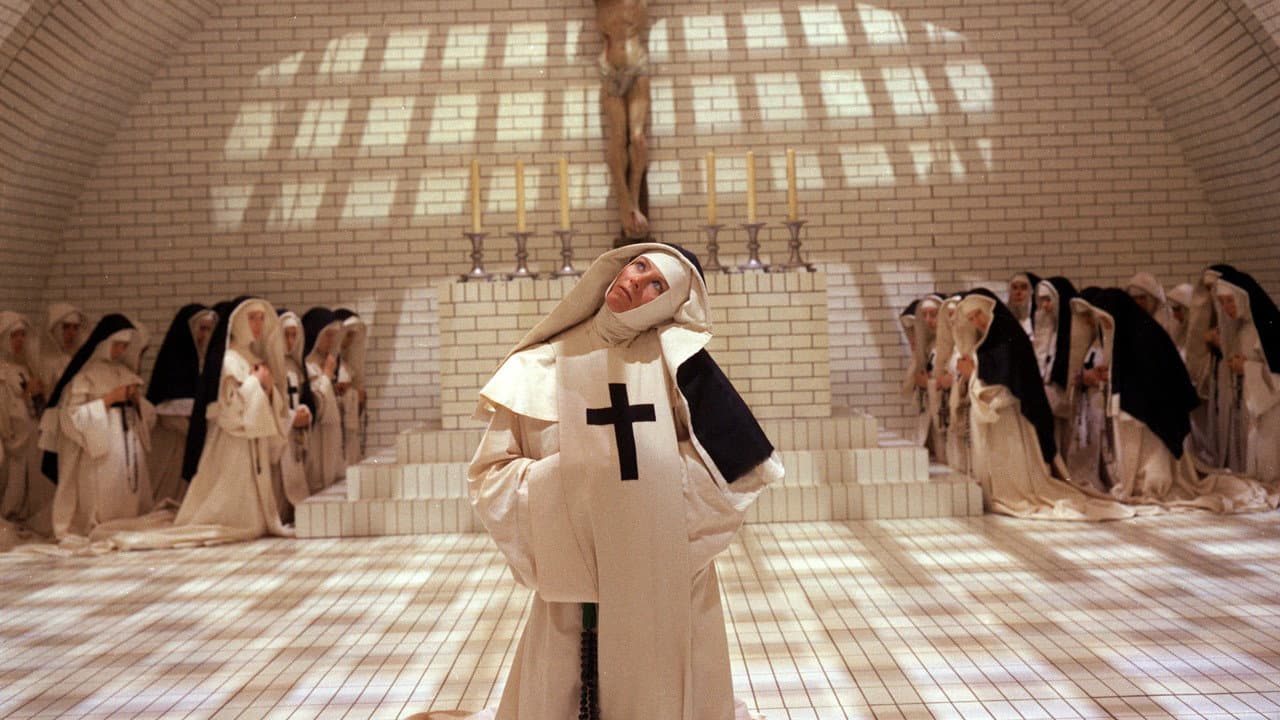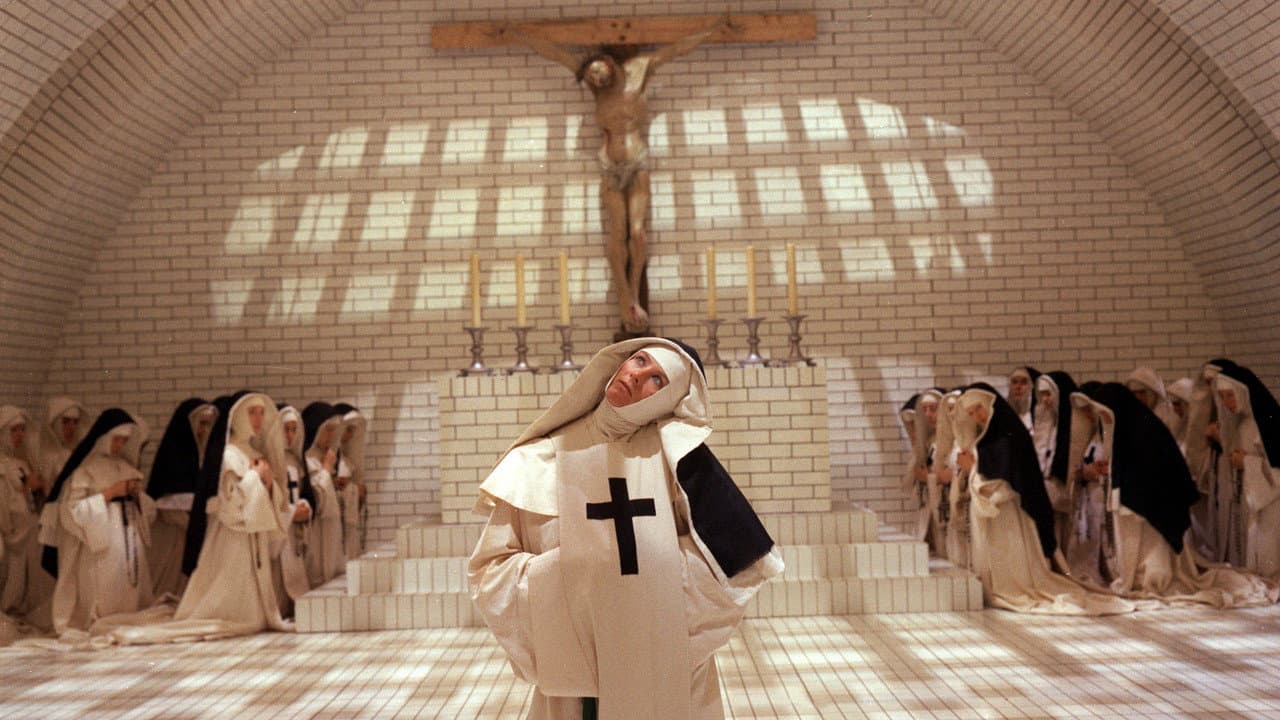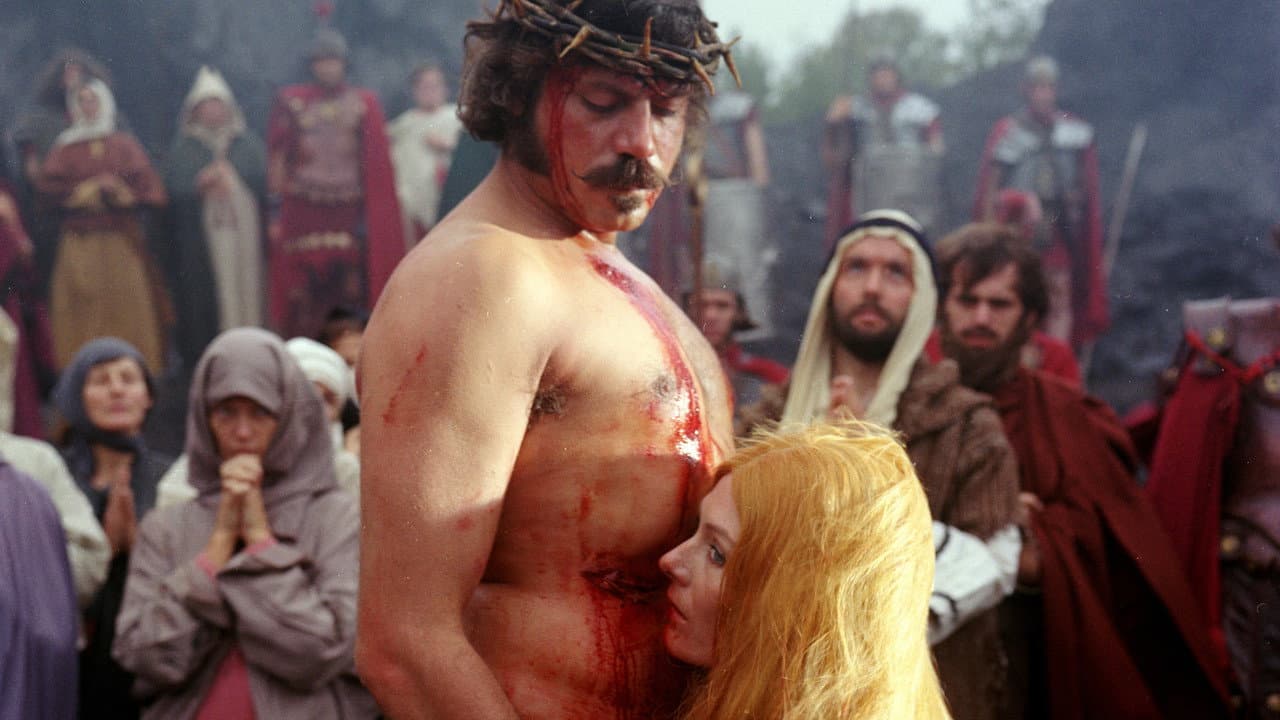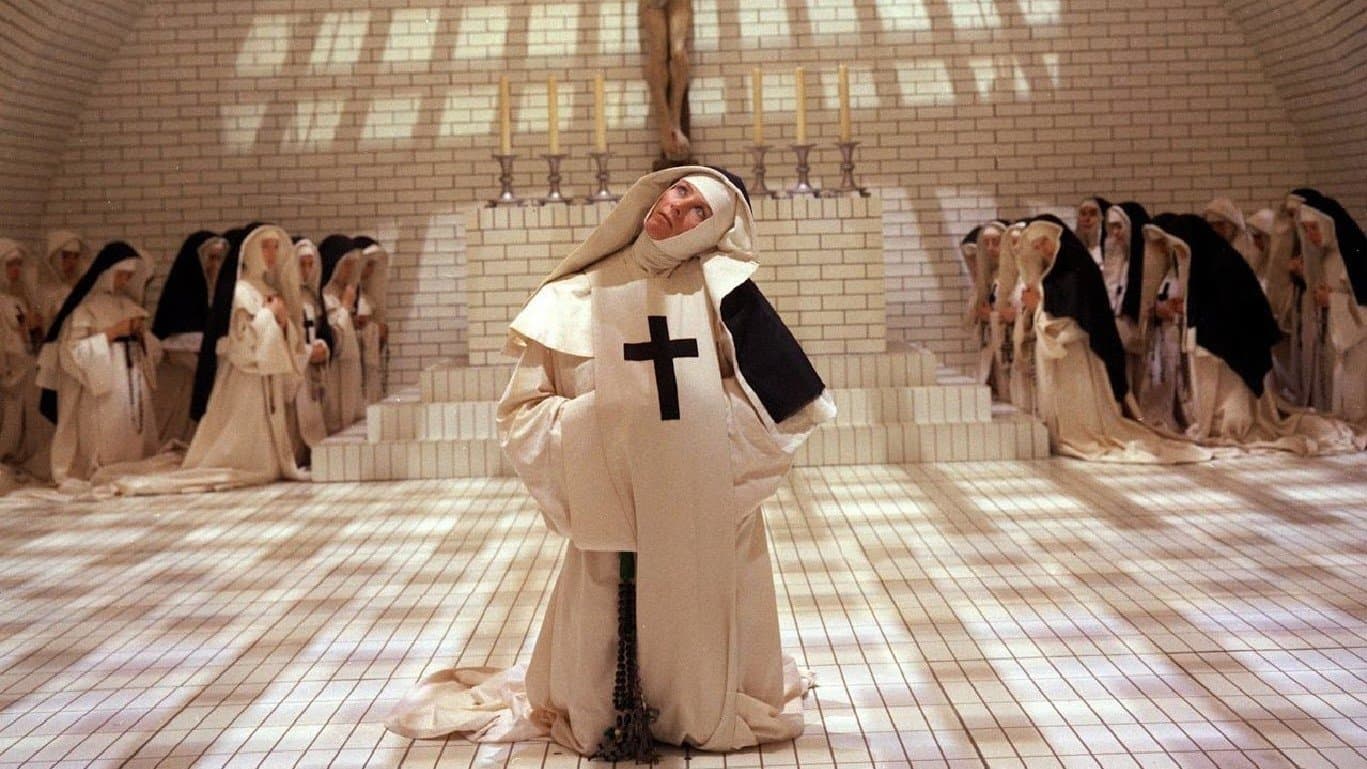
Fifty-five years after Ken Russell's "The Devils" first scandalized audiences, the film's most infamous sequence is once again finding its way in front of viewers - and the timing couldn't be stranger. The so-called "Rape of Christ" scene, a hallucinatory orgy of blasphemy that was cut from the movie before it ever hit theaters in 1971, has been restored and is screening again. The question hanging over the whole affair: after more than half a century of culture wars, is the world finally ready for it?
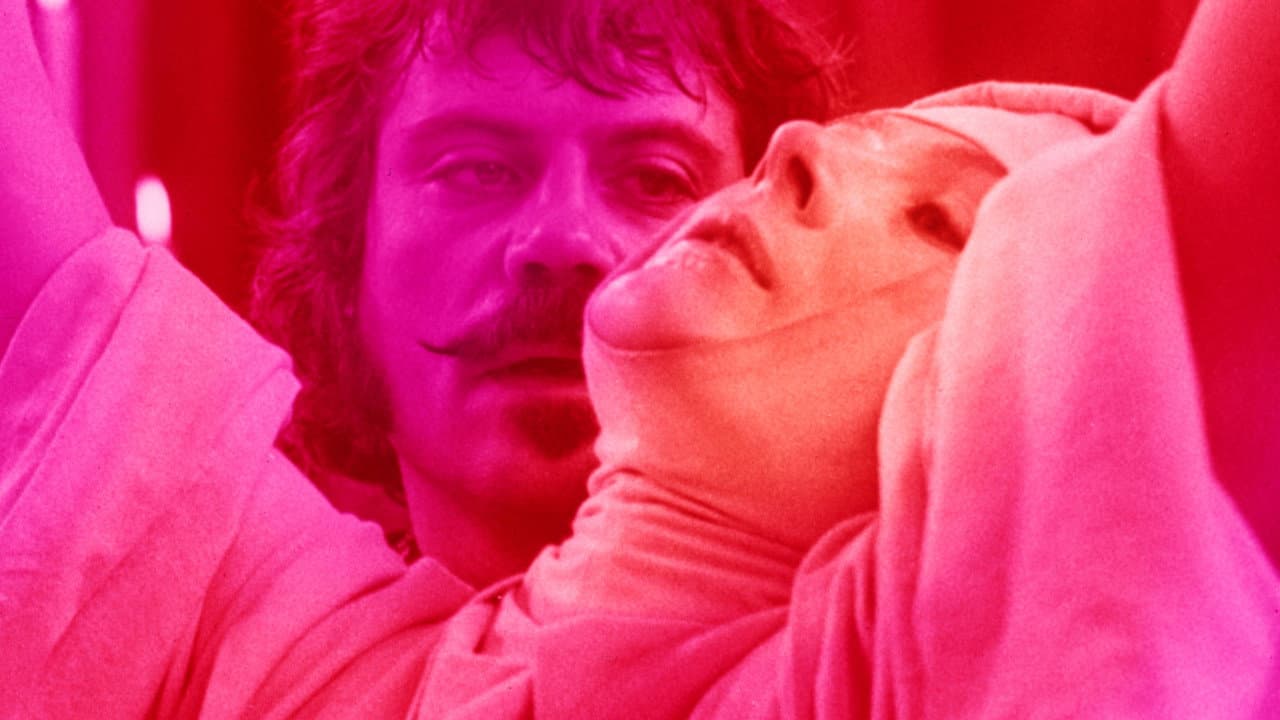
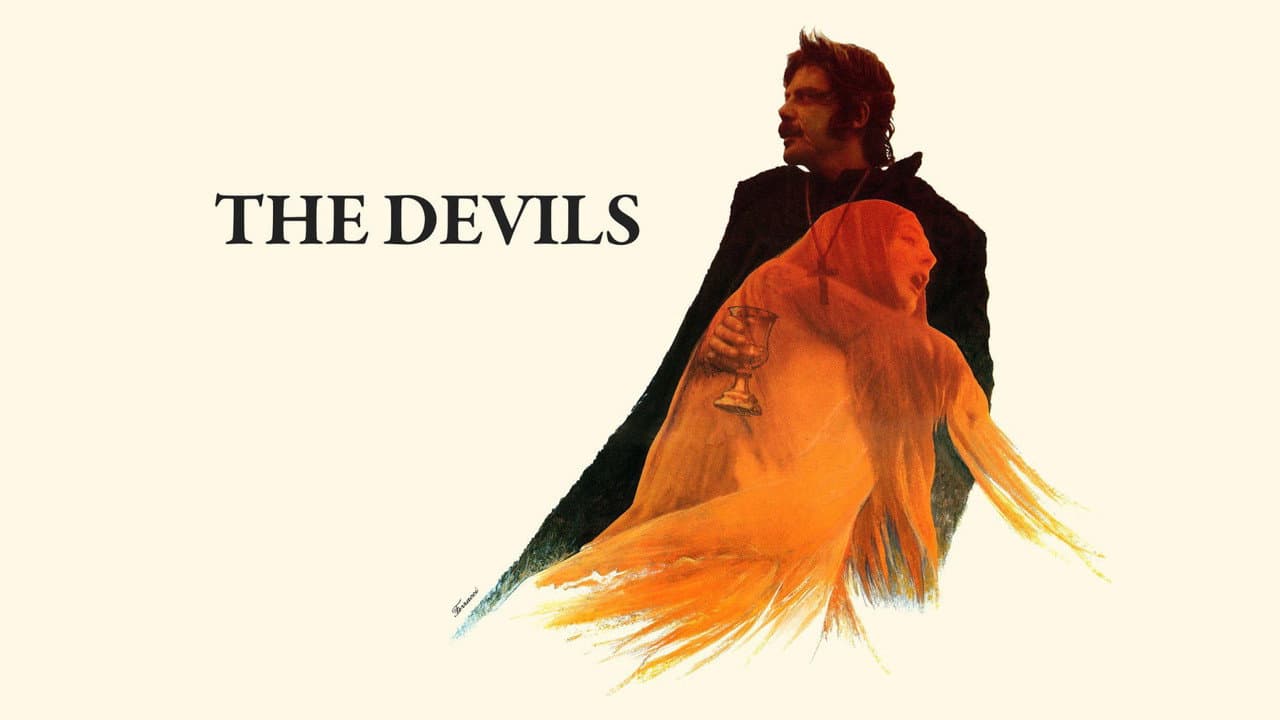
For the uninitiated, "The Devils" is not your average period drama. Set in 1634 France, the film follows Father Urbain Grandier, a charismatic priest played with ferocious intensity by Oliver Reed, who becomes the target of witchcraft accusations leveled by a sexually obsessed nun, Sister Jeanne des Anges, brought to life by Vanessa Redgrave. What starts as one woman's spiritual hysteria spirals into a full-blown political execution, with corrupt church and state officials gleefully exploiting the chaos to bring Grandier down. It's drama, history, and horror rolled into one - and that's before the censors got involved.
A Scene Too Hot for 1971 - and for Decades After
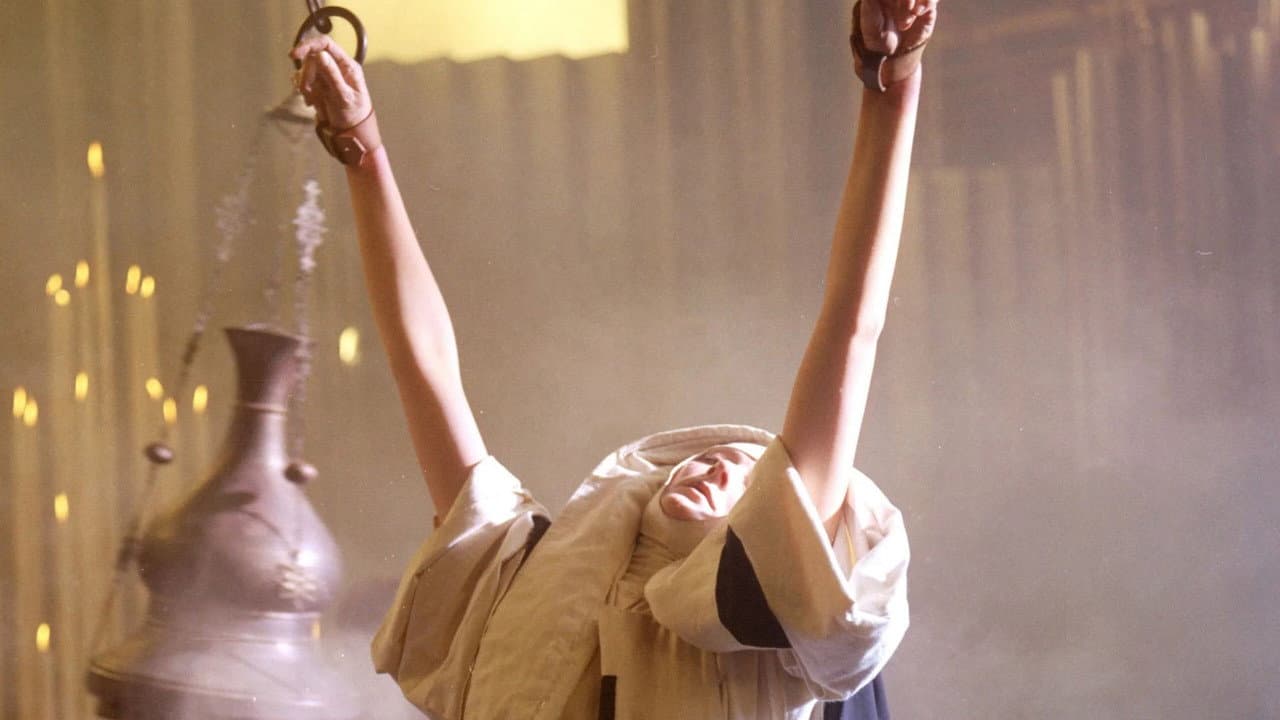
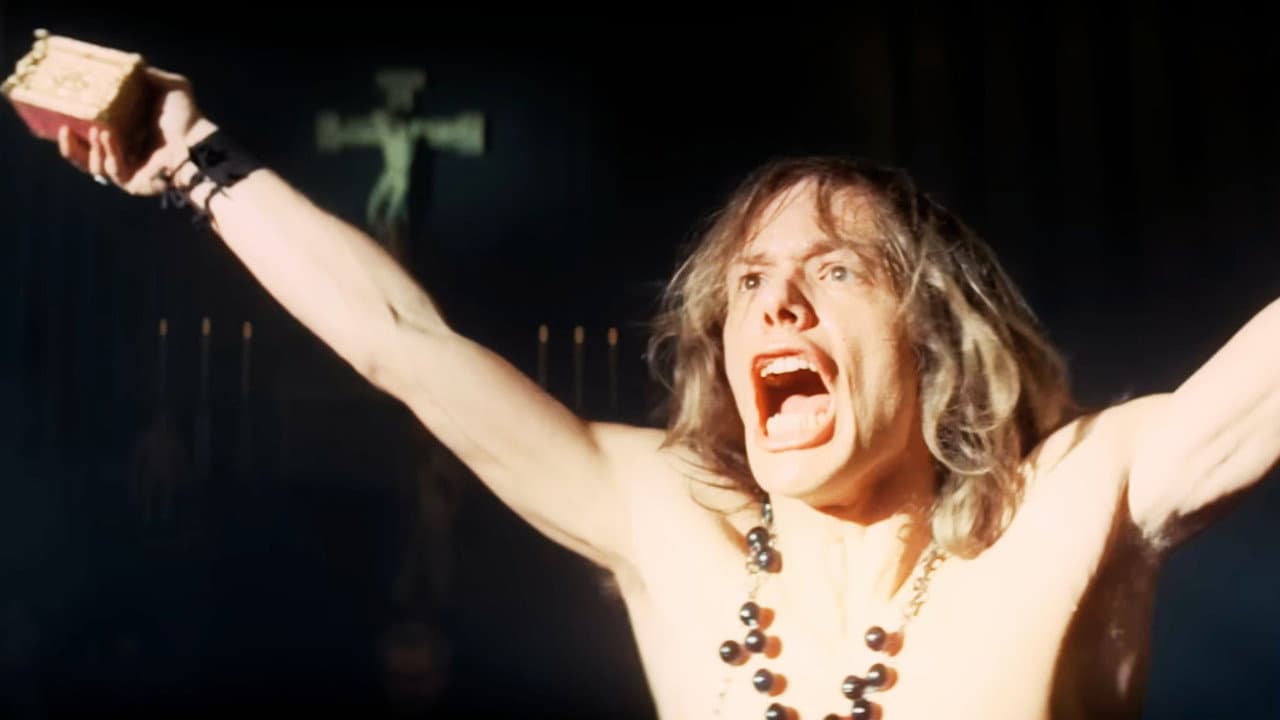
The "Rape of Christ" sequence arrives late in the film, during the mass exorcism that follows Grandier's arrest. In Russell's original vision, the scene depicts a group of nuns in a frenzied, sacrilegious ritual involving a statue of Christ. It was deemed so offensive that it was removed prior to the film's release, and for decades it existed only as a grainy bootleg or a whispered legend among cinephiles. The director fought against the cuts for years, and the missing footage became one of the great what-ifs of 20th-century cinema.
Now, thanks to restoration efforts, the sequence is back where Russell intended it. And the reaction has been... exactly what you'd expect. Some critics are hailing it as a bold act of artistic preservation. Others are asking whether a scene this provocative can ever be viewed outside the context of its own notoriety. Either way, people are talking about a 1971 movie in 2026, which is no small feat.
Why "The Devils" Still Gets Under Our Skin
Part of what makes the film endure is that it refuses to be a comfortable watch. Russell, who died in 2011, was never interested in subtlety. He wanted to shock, provoke, and unsettle - and "The Devils" does all three with unsettling efficiency. The screenplay, adapted from Aldous Huxley's novel "The Devils of Loudun" and John Whiting's play, uses Grandier's downfall to skewer institutional hypocrisy. The church officials in the film aren't horrified by the accusations of witchcraft; they're thrilled, because it gives them a pretext to destroy a man they've long wanted gone.
Redgrave's Sister Jeanne is a career-highlight performance, a woman whose repressed desire curdles into something monstrous. Reed, meanwhile, gives Grandier a doomed dignity that makes his eventual torture and execution genuinely hard to watch. The supporting cast - including Dudley Sutton as the scheming Baron de Laubardemont, Gemma Jones as Grandier's lover Madeleine de Brou, and Murray Melvin as the icy Father-Canon Jean Mignon - fills out a world where piety is just a mask for power.
The Bigger Picture: Censorship, Then and Now
The return of the "Rape of Christ" scene lands in a cultural moment where debates over what art can and can't show are as loud as ever. But the conversation around "The Devils" is different from your typical modern controversy. This isn't about a new film testing boundaries; it's about reclaiming a piece of history that was taken from its creator. The restored sequence isn't being added to the movie as a gimmick - it's being put back where it always belonged.
Whether audiences are "ready" for it is almost beside the point. The scene's power comes from its context within the larger narrative, not from shock value alone. Russell wasn't trying to titillate; he was trying to show how religious ecstasy and sexual repression can collapse into the same fever dream. In 1971, that idea was too much for distributors. In 2026, it's at least up for discussion.
At 112 minutes, "The Devils" remains a tight, brutal watch - no bloated runtime, no wasted scenes. Its TMDb rating of 7.5 suggests that the people who've sought it out over the years have found something worth the effort. With the full version now circulating, that number may climb.
Is the world finally ready? Probably not. But "The Devils" was never asking for permission.
Source: The Hollywood Reporter