Karin Slaughter isn't the kind of writer who says no lightly. So when the bestselling crime novelist reportedly shut down Hollywood's first attempt to adapt "The Good Daughter" with a flat "absolutely not," it wasn't a negotiating tactic - it was a line in the sand. What happened next is the part that makes this story worth telling: instead of letting the project die, she rolled up her sleeves and wrote the whole thing herself, transforming her novel into an entire television series.
The news, which has been making the rounds among book-to-screen watchers this week, is a rare case of an author choosing control over convenience. Slaughter's novel - a dark, twisty stand-alone about two sisters whose lives are shattered by violence - had all the ingredients studios love: a built-in readership, a propulsive plot, and a family at its center with secrets stacked to the ceiling. But the idea of handing it off to someone else's vision apparently never sat right with her. Rather than license the book and hope for the best, she declined the adaptation outright, then took on the massive job of expanding the story into a full series on her own terms.
For fans of Slaughter's work, the move tracks. She's spent decades building a reputation for uncompromising, meticulously plotted thrillers, and she has been open in the past about wanting adaptations to honor the source material rather than sand off its edges for mass appeal. Writing the series herself gives her exactly that - a chance to decide what stays, what gets expanded, and how the story's moral murkiness translates to the screen without a committee of notes in between.
It's also an increasingly familiar playbook in Hollywood, where streamers are hungry for marquee authors to be active creative partners rather than passive rights-holders. The shift means more writers are getting the chance to run their own shows - and more are discovering that the leap from page to script isn't as daunting as it sounds. Slaughter, for her part, appears to have found the process invigorating enough to commit to the long haul.
The timing is hard to ignore, too. Audiences have shown a seemingly endless appetite for serialized crime drama with a literary pedigree, and a Slaughter-backed project arrives with a ready-made audience that most original series would kill for. Add in the trend of authors championing their own material - and the marketing narrative practically writes itself.
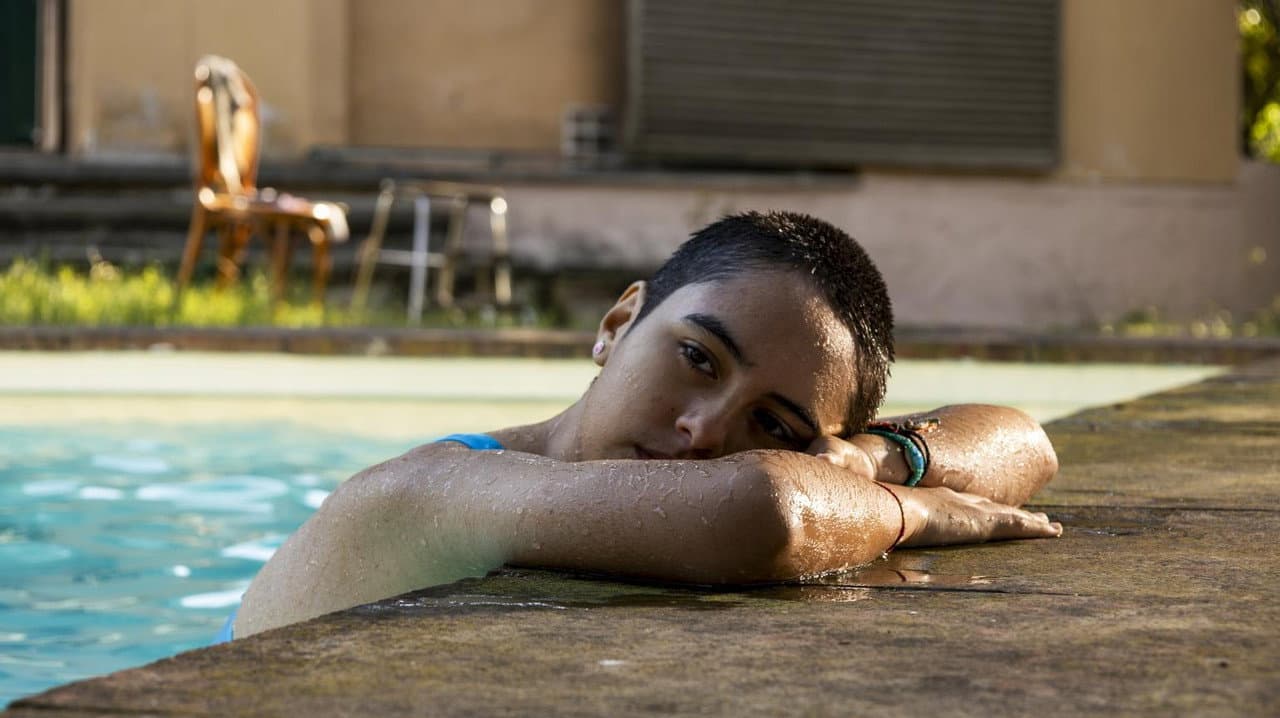
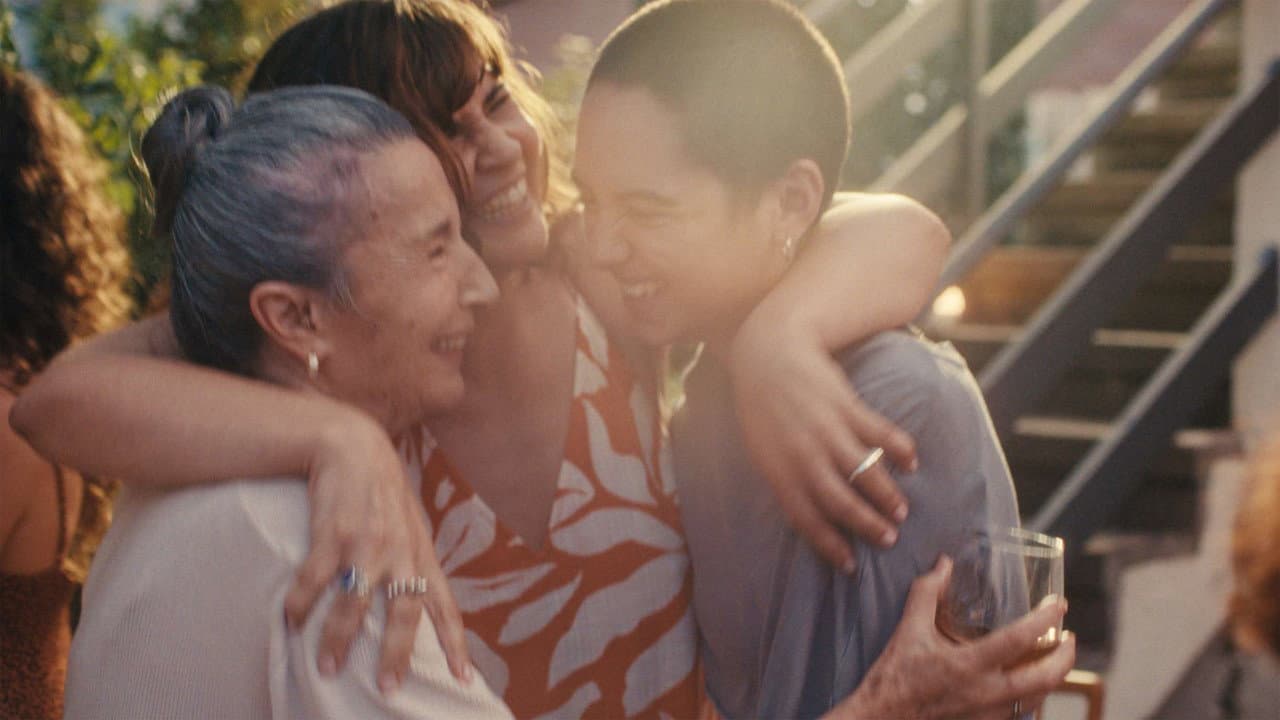
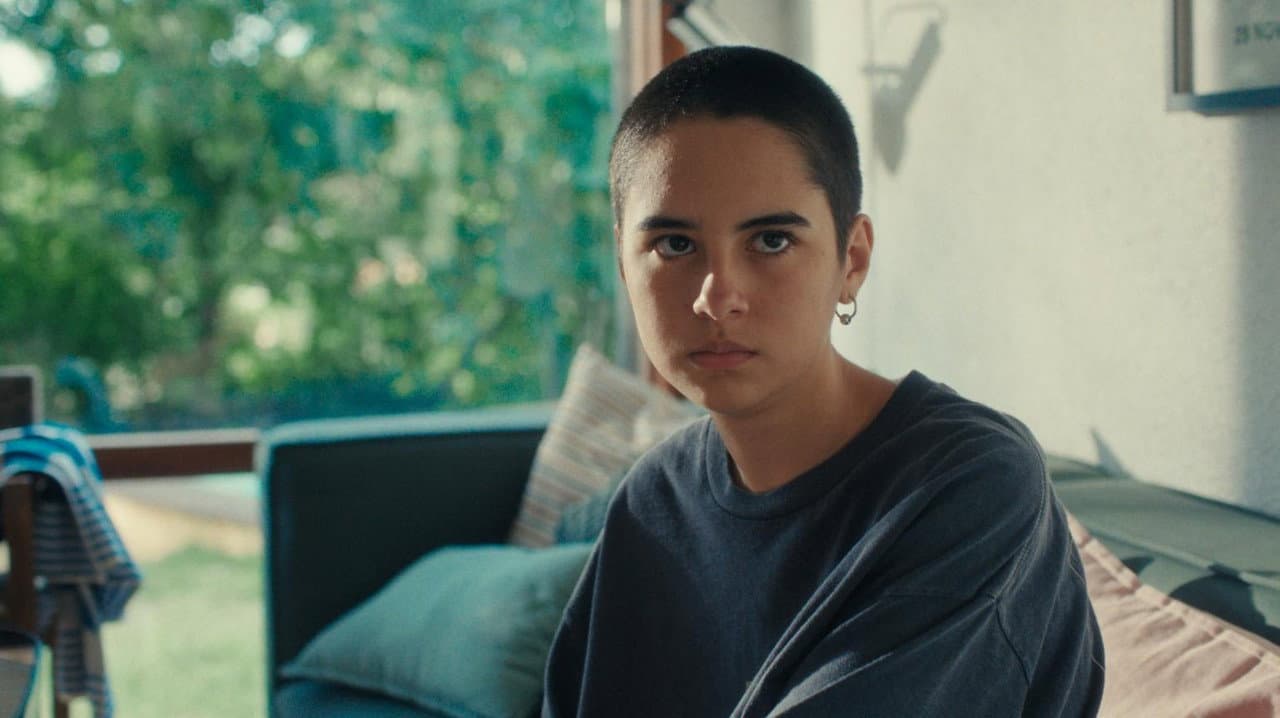
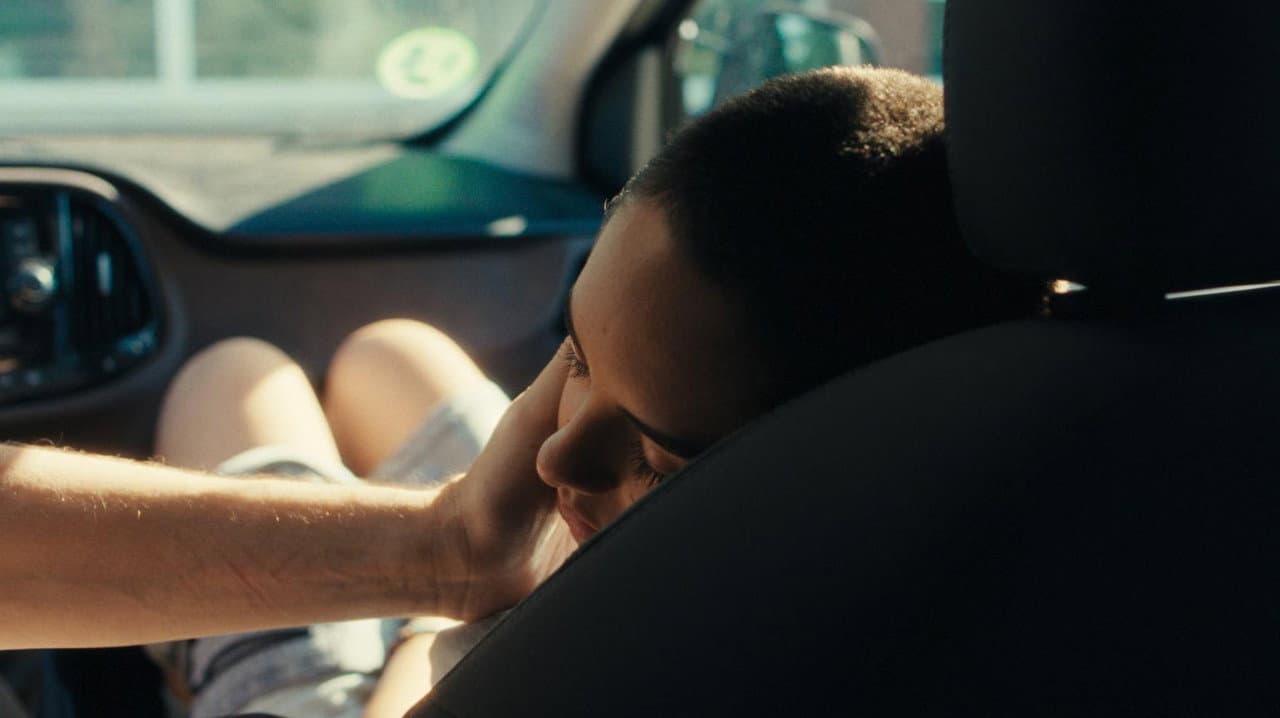
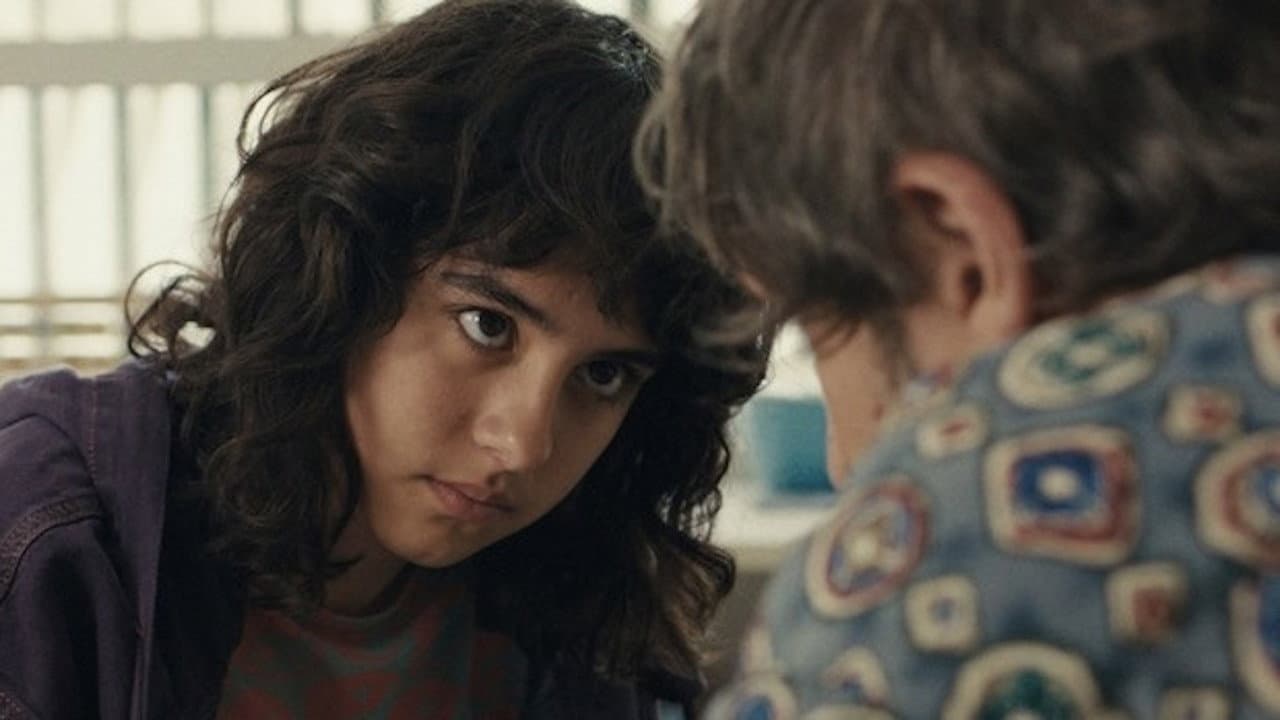
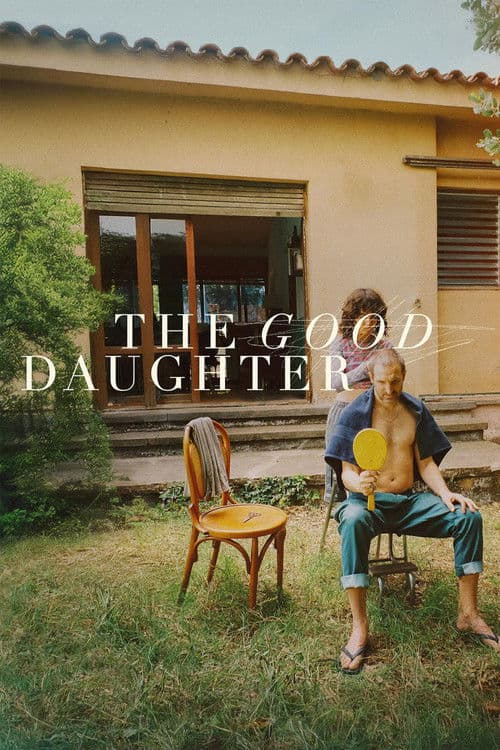
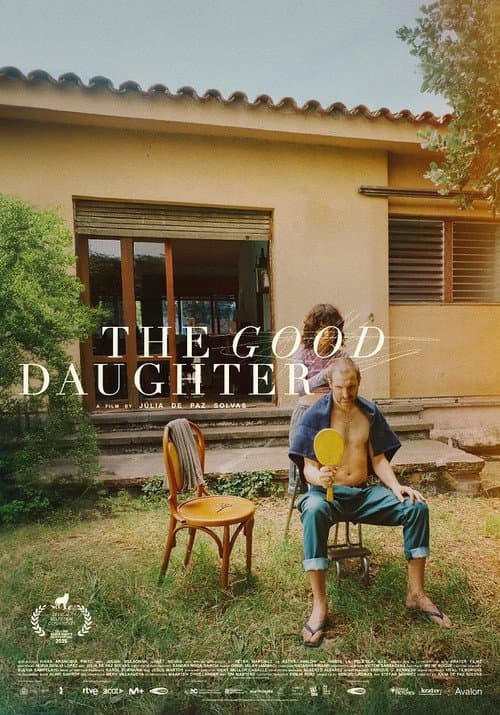
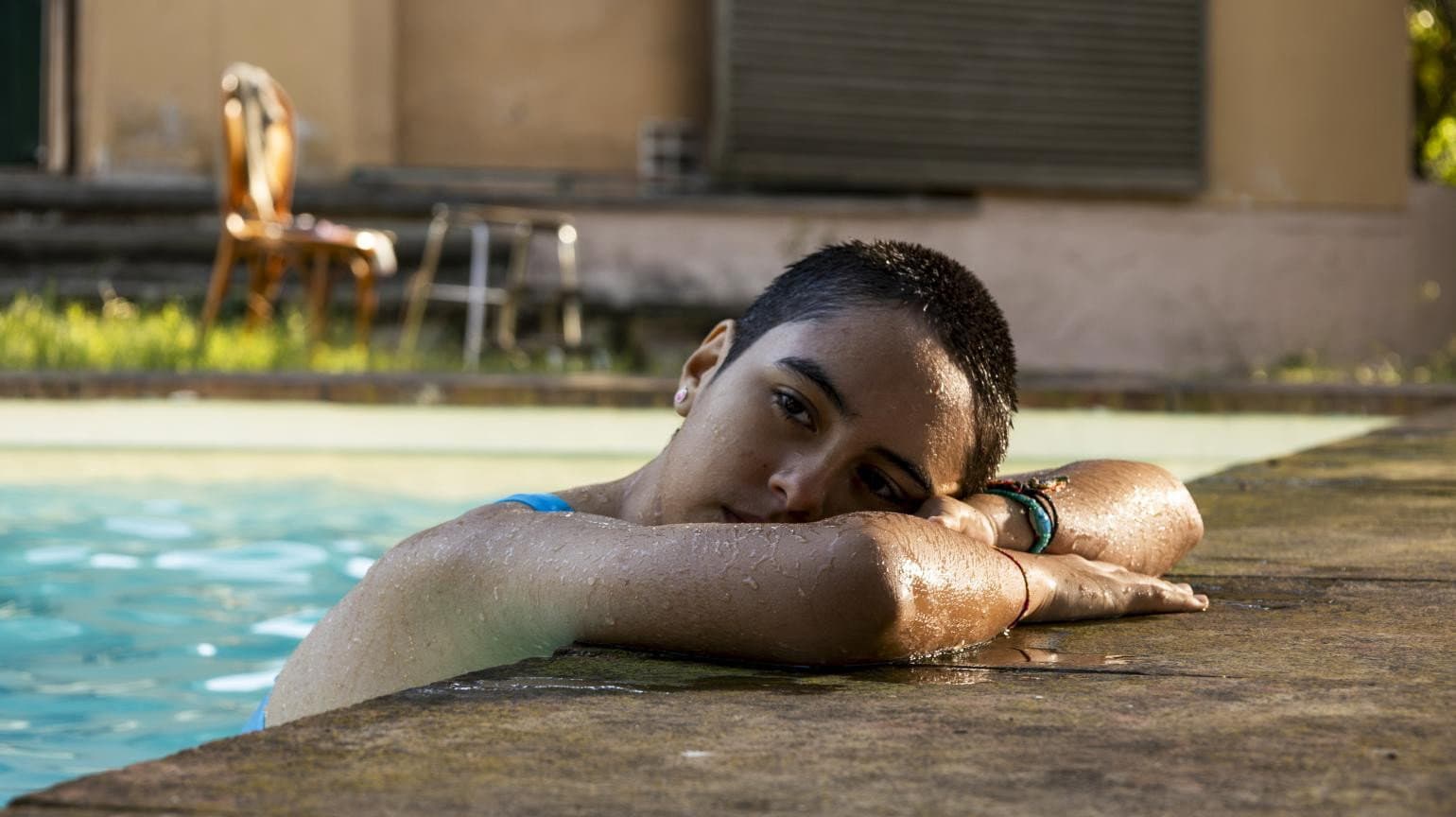
And speaking of literary adaptations with family drama at their core, the theatrical side of 2026 has its own entry worth watching. "The Good Daughter" - a drama sharing the title but nothing else with Slaughter's novel - landed in theaters on April 10. Directed by Júlia de Paz and performed in Spanish, the film follows Carmela, a young girl who moves with her mother into her grandmother's home after her parents separate. As she navigates a new reality, she longs for more time at her father's place, a visual artist she both admires and idolizes. His presence looms large over three generations of women, pushing them to reckon with the futures they each deserve.
The cast includes Kiara Arancibia as Carmela, Julián Villagrán as the father, Janet Novás as Marta, Petra Martínez as Pepa, Sandra Pujol as Sílvia, Marta Millà as Lola, Alea Montesinos Fortún as Mire, and Claudia Ávila as Sandra. The film runs 101 minutes and holds a 6.4 out of 10 rating on TMDb - a mixed but respectable reception for a small, intimate drama. It's a completely separate project from Slaughter's series, despite the coincidental title overlap, which is the kind of thing that will confuse exactly no one once both projects are making headlines at the same time.
Whether Slaughter's decision to write the series herself becomes a template or a cautionary tale is the question every author with a hot property is quietly asking. Either way, the takeaway is hard to miss: in 2026, "no" isn't always the end of a conversation. Sometimes it's just the opening move.
Source: The Hollywood Reporter