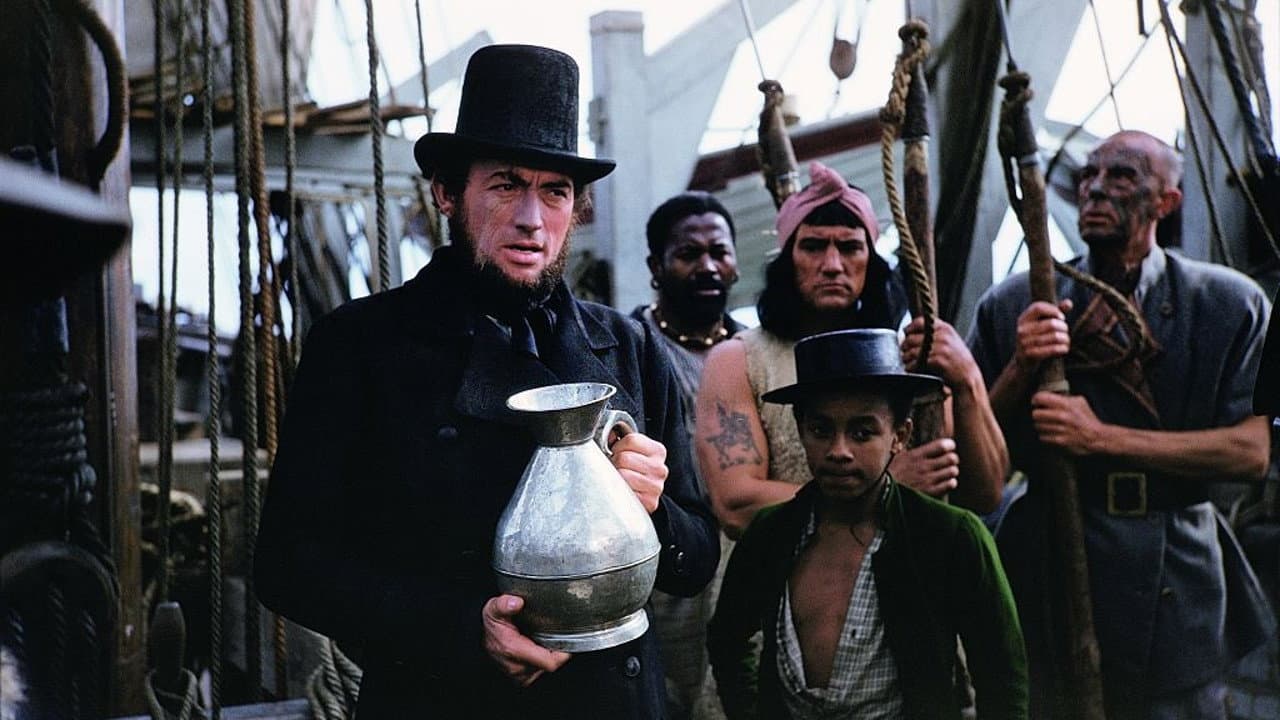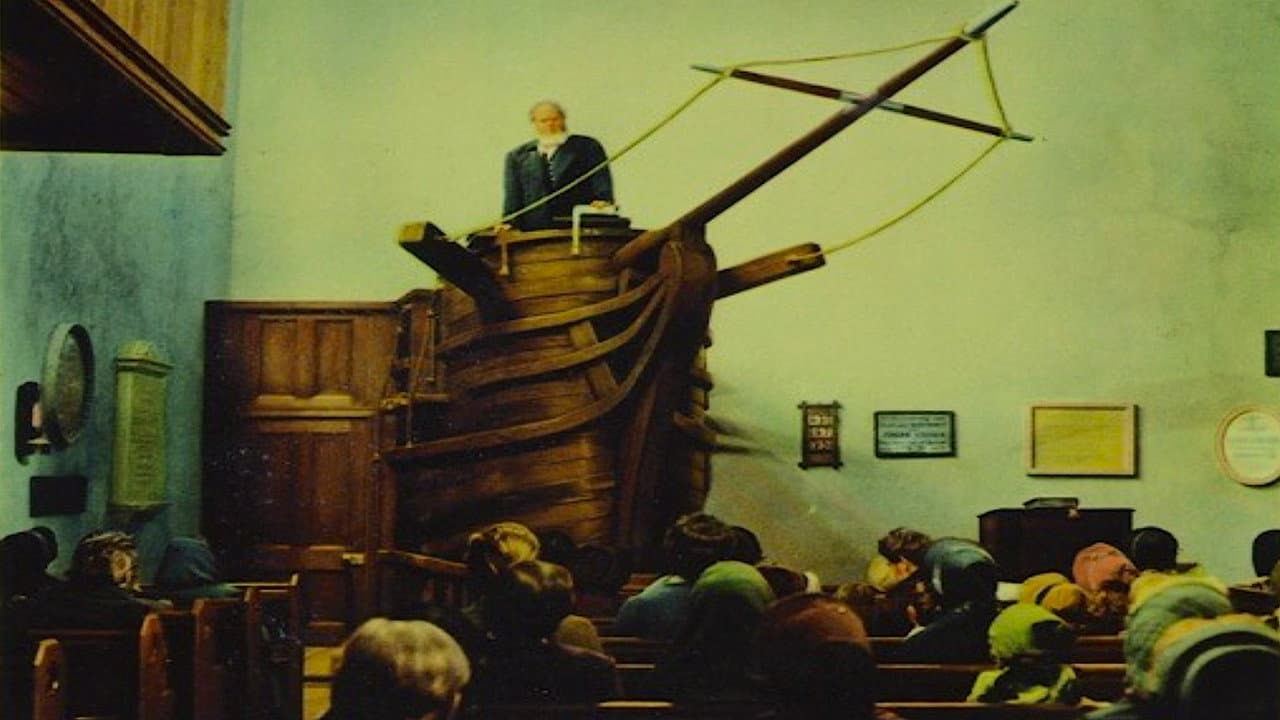
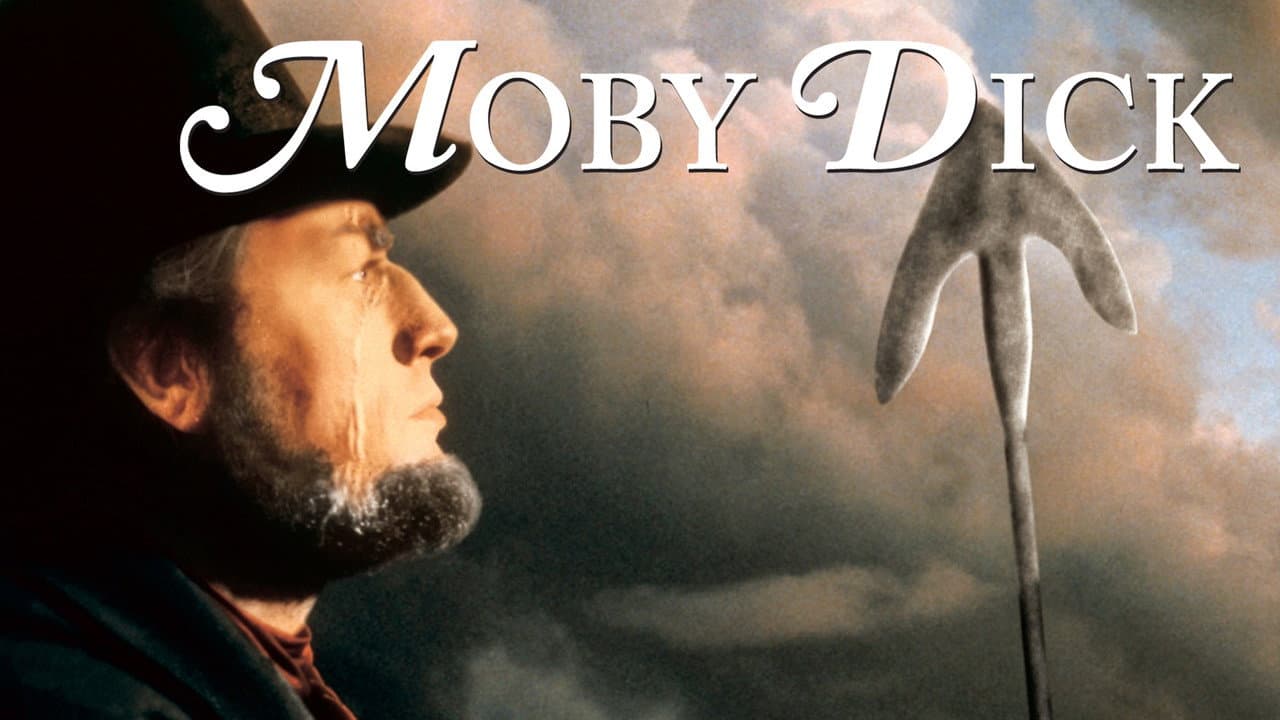
Seventy years ago, one of Hollywood's most storied productions dropped anchor in a small Welsh fishing town - and turned it upside down. In the summer of 1954, John Huston brought his big-budget adaptation of Herman Melville's Moby Dick to Fishguard, a quiet Pembrokeshire port that suddenly found itself standing in for 19th-century New Bedford. Locals became extras, fishing boats became whalers, and for a few months, one of the biggest stars in the world walked the same streets as the townspeople.
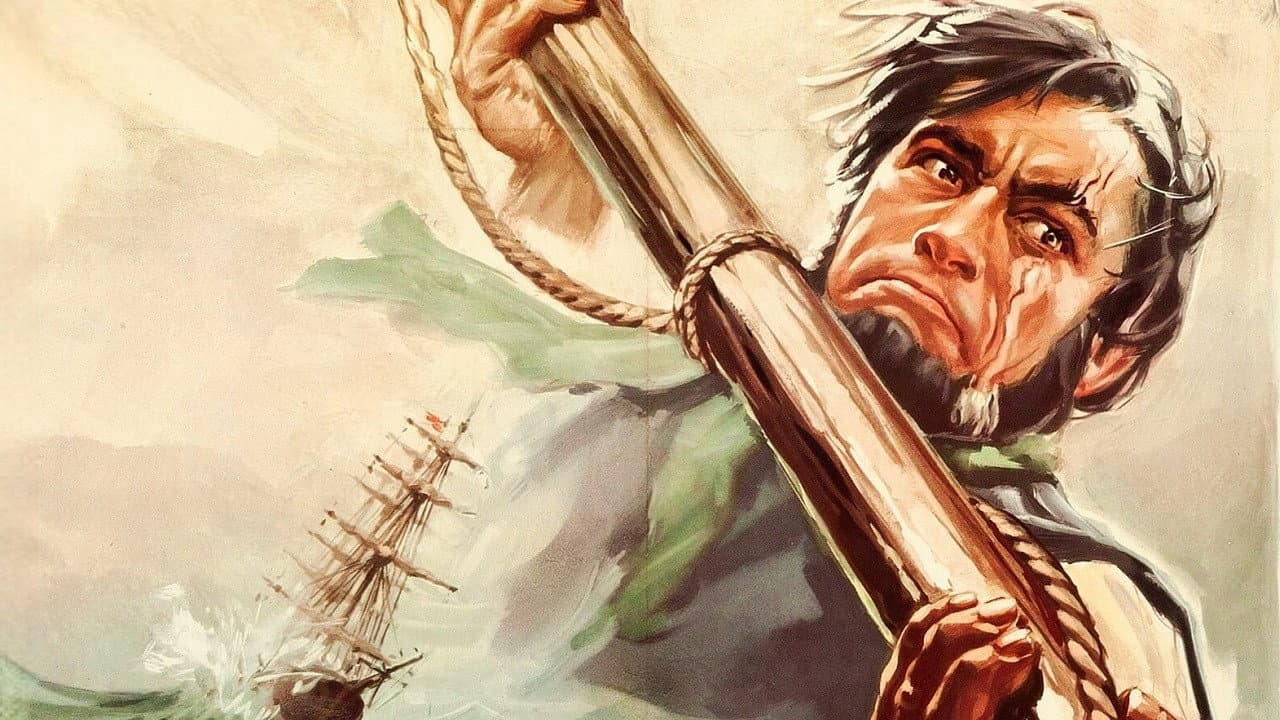
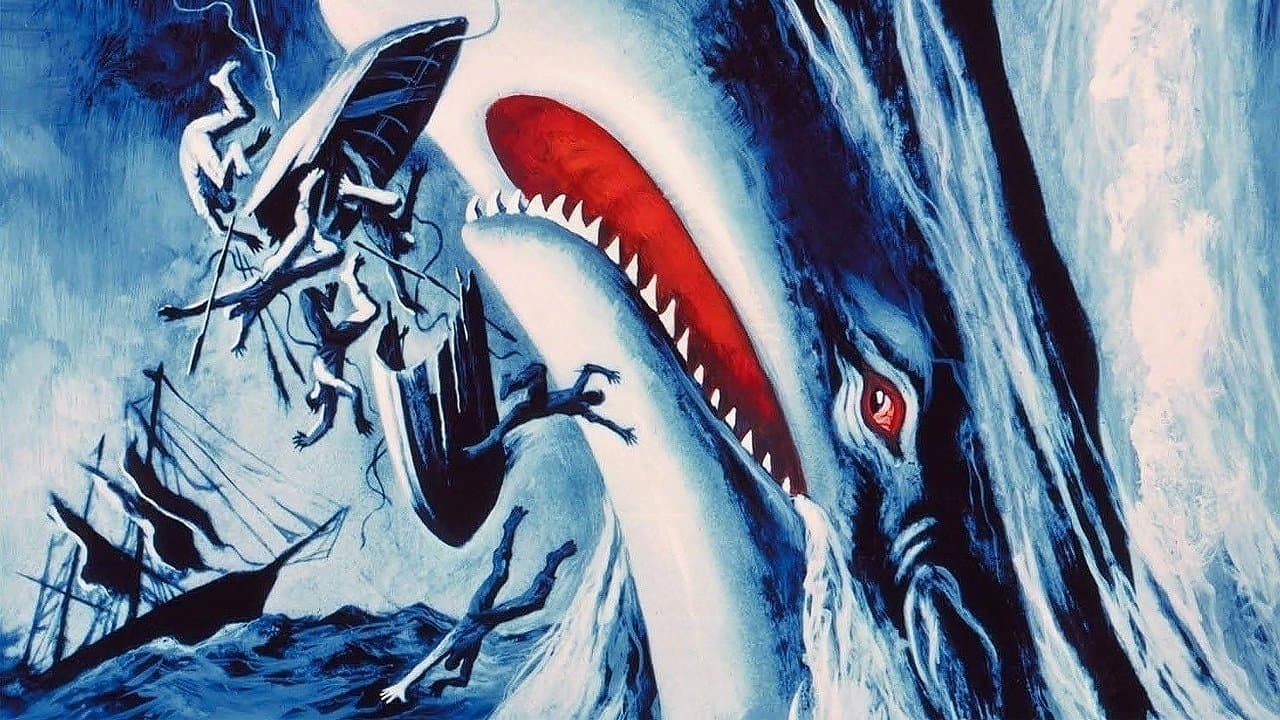
The film itself hit theaters on June 27, 1956, and it remains the definitive screen take on Melville's novel. The story follows young Ishmael, who signs aboard the whaling ship Pequod out of New Bedford in 1841. What he finds is Captain Ahab, a commander consumed by a single, ruinous obsession: hunting down Moby Dick, the great white whale that took his leg. Ahab will drag his crew to the ends of the earth - and past the edge of reason - for one shot at revenge.
A Hollywood Blockbuster on Welsh Soil
Fishguard wasn't an obvious choice for a major American production. But Huston needed a harbor that could pass for a 19th-century New England whaling port without the cost of actually shooting in New England, and the Welsh town's stone quays and steep streets fit the bill. The production built elaborate sets, brought in period ships, and filled the harbor with activity that the town had never seen before.
For Fishguard residents, the shoot was a once-in-a-lifetime event. Ordinary people were recruited as background performers, local craftsmen were hired to build and modify ships, and the pubs reportedly did a roaring trade whenever the cast and crew were ashore. The line between a working fishing village and a Hollywood backlot blurred for an entire season.
Peck's Ahab: The Role That Defined a Career
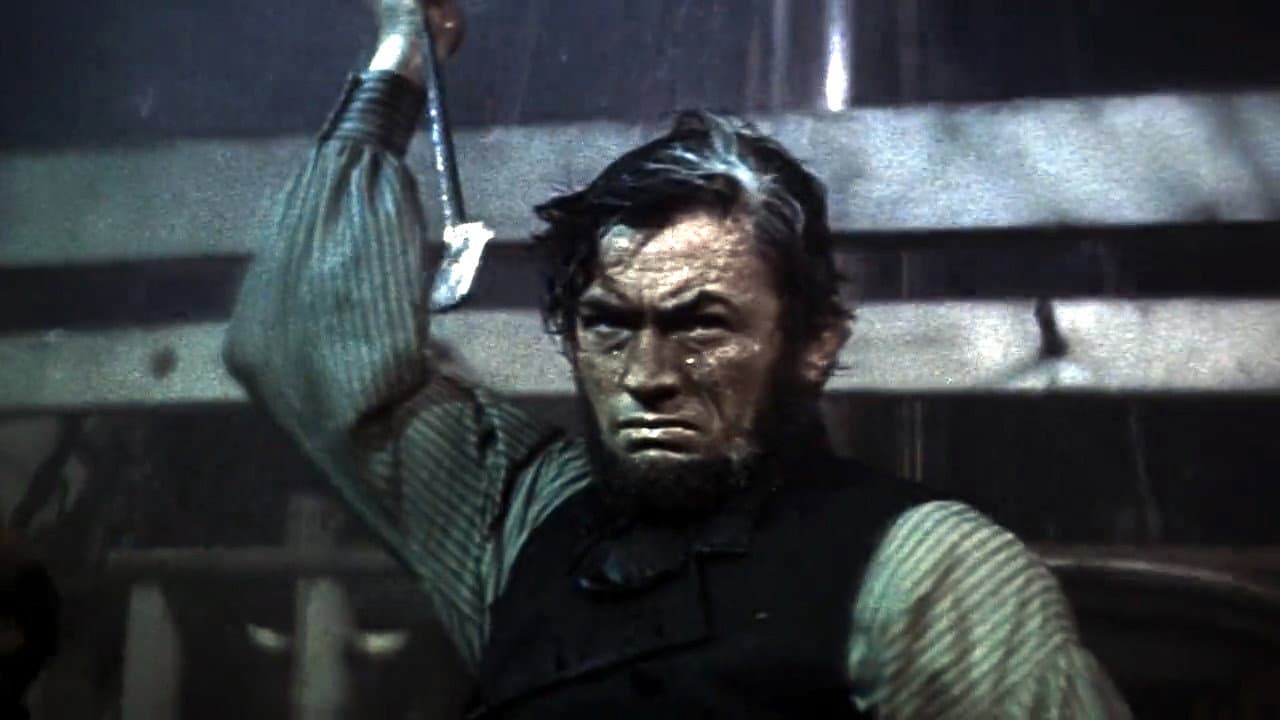
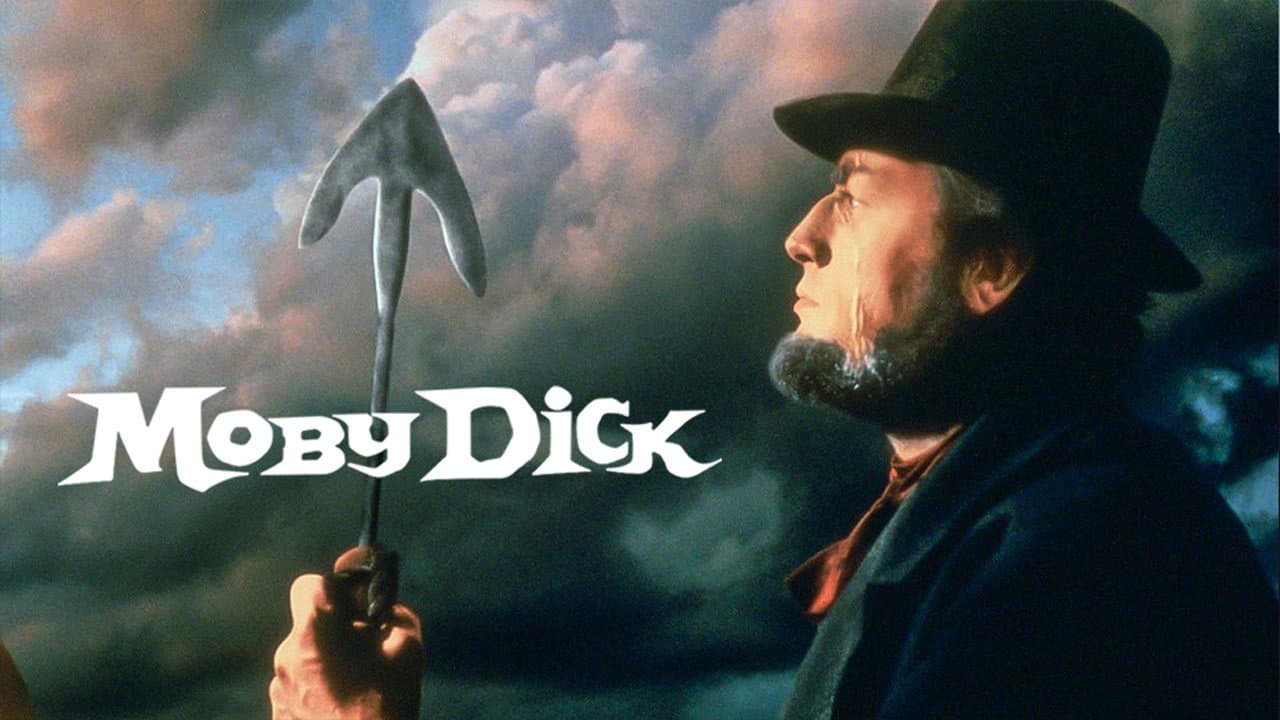
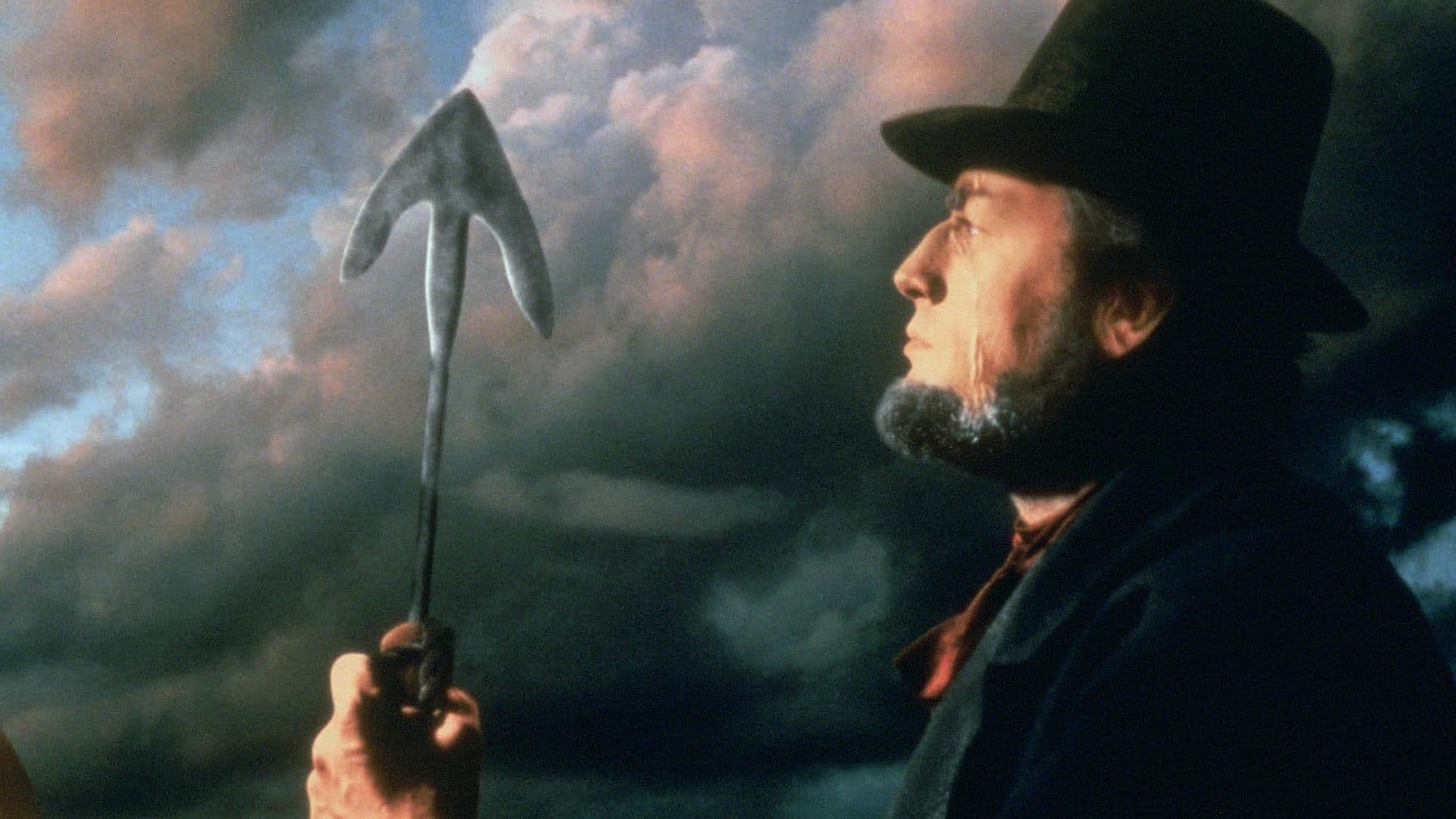
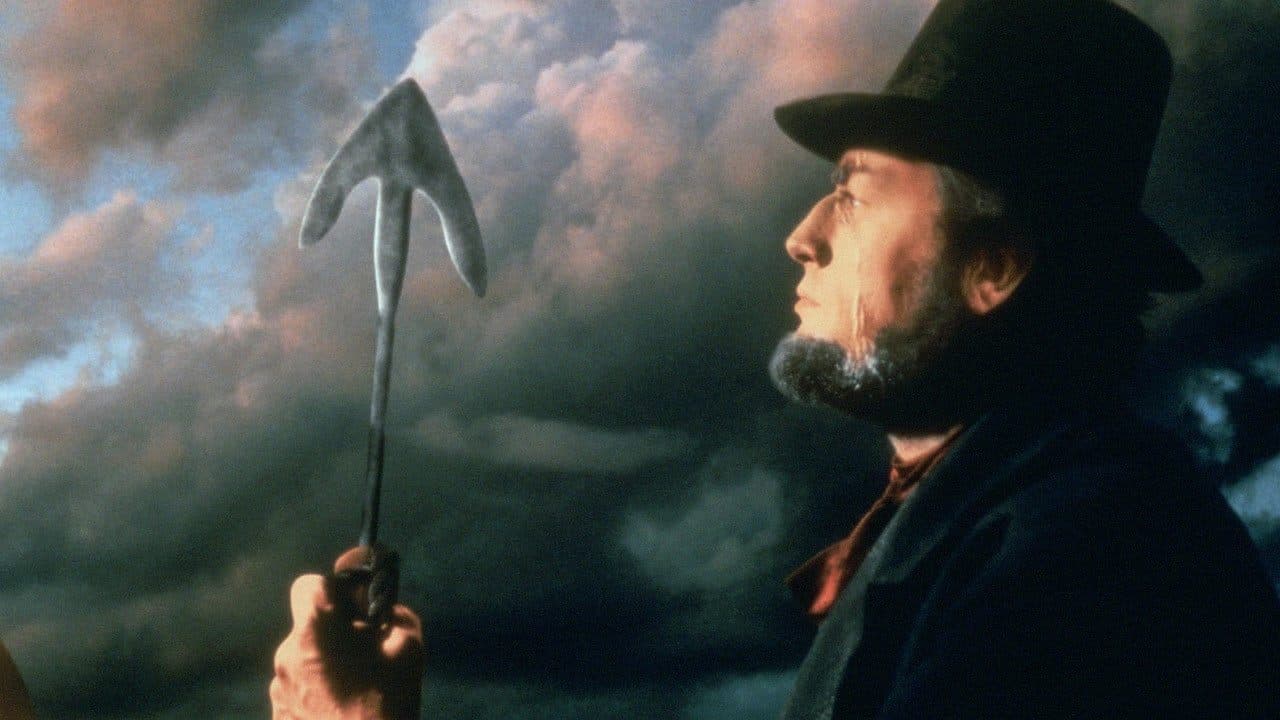
Gregory Peck took on the part of Captain Ahab, a casting choice that has been debated by film fans ever since. At the time, Peck was best known for playing upright, heroic types, and some critics felt he was too young and too handsome for the grizzled, half-mad whaling captain. Others argue that his restraint is exactly what makes the performance work - a quiet fanaticism rather than theatrical shouting.
Either way, Peck's Ahab became the image most people conjure when they hear the name. The film's supporting cast is packed with serious talent: Richard Basehart as the narrator Ishmael, Leo Genn as the loyal first mate Starbuck, James Robertson Justice as the bluff Captain Boomer, and Harry Andrews as Stubb. Bernard Miles plays the enigmatic Manxman, with Noel Purcell as the Ship's Carpenter and Edric Connor as the harpooner Daggoo rounding out the crew.
Huston, already legendary for his adventurous productions, poured enormous effort into capturing the physical reality of whaling. The film runs 115 minutes and blends genuine maritime footage with meticulously staged whale sequences - an approach that gives it a texture few adventure movies of the era can match.
A Legacy That Outlasted the Tide
Critics at the time were mixed, and the film's reputation has bounced around for decades. But Moby Dick has aged into something close to a classic, with a solid 7.054/10 rating on TMDb and a steady following among fans of literary adaptations and old-school adventure cinema. It's regularly cited as one of the better attempts to translate a famously unfilmable novel to the screen - a book that spends chapters on whale anatomy and the philosophy of obsession doesn't exactly scream "summer blockbuster," yet Huston and screenwriter Ray Bradbury leaned into the strange, brooding heart of it anyway.
For Fishguard, the legacy is more personal. The production brought money and attention to a town that rarely saw either, and it left behind a genuine piece of Hollywood history. Seventy years later, the story of the summer the cameras came to Pembrokeshire still gets told in local pubs - usually with a pint in hand and a few embellishments.
And there's something fitting about that. Moby Dick is a story about an obsession that refuses to die, passed down through the people who lived it. The same could be said for the memory of the movie that briefly turned a Welsh fishing port into a whaling capital of the American imagination. The whale got away. The town never forgot.
Source: BBC