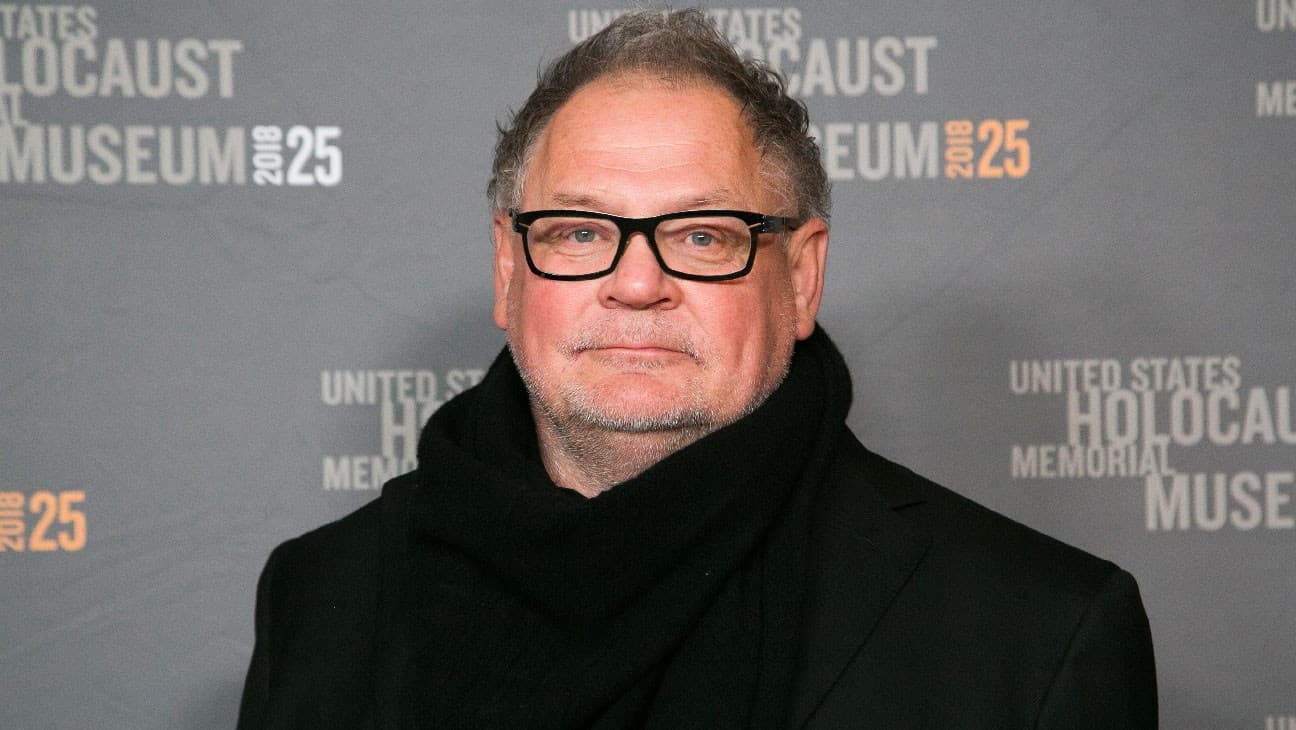
There's a particular kind of light that lives in Steven Spielberg's best movies - hard, high-contrast, almost unnervingly honest. For decades now, that light has had a name attached to it, and that name is Janusz Kaminski. The Polish-born cinematographer, who has spent more than thirty years shaping how blockbuster cinema looks, is the subject of a fresh retrospective look at a career that quietly rewired the visual grammar of modern Hollywood.
Kaminski's story didn't begin in Los Angeles. He grew up in Poland and came to the United States as an immigrant, initially studying at Columbia College Chicago before continuing his education in the American film school system. That outsider's perspective - seeing America from the edge rather than the center - would later become one of his greatest creative weapons. When he eventually partnered with Spielberg, the pairing clicked almost instantly, because Kaminski wasn't interested in pretty pictures. He was interested in truthful ones.
That partnership produced a run of films that critics and cinematographers still study frame by frame. "Schindler's List" earned him an Academy Award and became a touchstone for black-and-white photography in a modern era that had largely abandoned it. He won again for "Saving Private Ryan," a film whose chaotic, sandblasted opening sequence changed how war was shot on screen - shaky, visceral, unwilling to look away. Between those two victories, Kaminski established himself as a filmmaker's collaborator rather than a hired hand, someone who understood that camera work is storytelling, not decoration.
His range is what makes the career so remarkable. The same eye that gave "Schindler's List" its stark moral clarity could pivot to the dreamlike glow of "Minority Report," the restless handheld energy of "Munich," or the wistful, sun-bleached nostalgia of "The Fabelmans." He has worked outside the Spielberg orbit too, lending his signature to directors with very different sensibilities - proof that his style is a language, not a formula. Whether he's shooting intimate drama or sprawling science fiction, the through-line is the same: light as emotion, shadow as subtext.
What's striking about Kaminski's influence is how little he seems to chase trends. In an industry that increasingly leans on digital sheen and post-production polish, he has remained committed to in-camera choices, practical light sources, and a willingness to let faces fall into darkness. Younger cinematographers frequently cite him as a reason they picked up a camera in the first place - not because his work is flashy, but because it's fearless. He showed a generation that audiences will lean into difficulty if the images are honest enough.
There's also a broader cultural angle here. Kaminski's career is a reminder that Hollywood's visual vocabulary has always been enriched by immigrant artists - people who arrived with different references, different instincts, and a different relationship to light. His Polish roots and his outsider's eye didn't make him a specialist in "foreign" stories; they made him one of the most versatile image-makers in the business. That's a legacy worth celebrating as the industry continues to debate who gets to shape the pictures the world watches.
And the timing feels apt. With cinematography increasingly discussed in mainstream pop-culture terms - thanks to social media breakdowns, director commentaries, and awards-season chatter - Kaminski's story lands as both history lesson and inspiration. He's not a household name in the way his leading men are, and he probably prefers it that way. But watch any of his signature films with the sound off, and you'll understand the headline: this is the cameraman who taught Hollywood how to see.
For MovieBuzz News, this one's a reminder that the most powerful names in cinema aren't always in front of the lens. Sometimes they're the ones standing just behind it, deciding exactly how much darkness the audience can handle - and then giving them a little more.
Source: The Hollywood Reporter