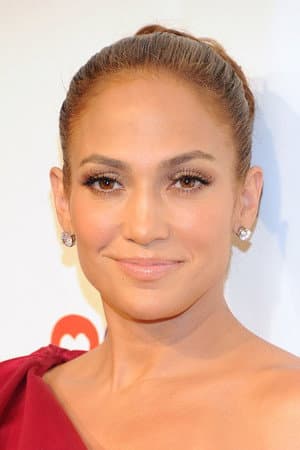
Jennifer Lopez has spent decades as one of the most recognizable faces in entertainment, but her latest comments about the obstacles she faced on the way up are landing her in hot water. The multi-hyphenate star, who broke through in the late 1990s and has since built a career spanning music, film, and business, suggested that not being "a white actress" made it harder for her to secure Hollywood movie roles - and the internet wasted no time pushing back.
The remark, which Lopez offered while reflecting on her early career struggles, was clearly meant to highlight the barriers she encountered as a Latina performer in an industry long dominated by white leads. Instead, it has sparked a broader conversation about race, privilege, and who gets to claim the underdog narrative in Hollywood - a debate that shows no sign of cooling down.
What Lopez Said and Why It Hit a Nerve
At the heart of the controversy is a simple, loaded idea: Lopez believes her background made the climb steeper than it would have been for a white peer. On paper, that's not a wild claim. Hollywood's history of casting is riddled with examples of opportunities that flowed more freely to white actors, and Lopez has spoken before about being boxed into certain kinds of roles early on.
But timing and tone matter, and plenty of critics argue that Lopez - a global brand, a tabloid fixture, and one of the most bankable names of her era - is an awkward fit for the hard-luck story. Social media lit up with reactions ranging from eye-rolls to full-throated frustration, with many commenters pointing out that Lopez's success came fast and loud, and that framing herself as a victim of racial bias struck some as tone-deaf.
The "Jenny From the Block" Paradox
Here's the wrinkle that's fuelling much of the backlash: Lopez has built an entire persona around being the relatable girl from the Bronx who made good. "Jenny from the Block" is more than a song - it's a brand. That narrative depends on the idea that she fought her way in from the outside, and her new comments are an extension of that story.
Yet the same public that embraced her underdog image is now questioning whether she's the right messenger for a conversation about systemic disadvantage. Critics say the remark glosses over the reality that Lopez, whatever hurdles she faced, became a household name with major studio backing, magazine covers, and a level of visibility most aspiring actors - of any background - could only dream of. Supporters, meanwhile, argue that acknowledging real barriers doesn't erase success, and that the two can coexist.
A Familiar Pattern in Pop-Culture Backlash
If this all feels familiar, that's because it is. Hollywood's reckoning with representation has turned every celebrity comment about race and opportunity into a lightning rod. Stars who try to describe their own experiences often find themselves caught between audiences demanding honesty about inequality and audiences quick to cry privileged grievance. Lopez just walked straight into that minefield.
What makes her case especially combustible is the gap between perception and lived experience. For fans, Lopez has always been the embodiment of making it against the odds. For her detractors, she's proof that talent and ambition can overcome almost anything - which makes her complaint feel less like a revelation and more like a misstep.
So Where Does This Leave J.Lo?
Lopez hasn't backed away from the sentiment, and given her track record, she's unlikely to be defined by a single round of internet outrage. She's weathered far stormier headlines and has a knack for turning scrutiny into fuel - whether through a new project, a defiant interview, or a well-timed comeback.
The bigger takeaway may be less about Lopez and more about the conversation itself. Her comment has reignited a debate over how Hollywood measures hardship, who gets to name it out loud, and whether audiences have the patience for nuance when a megastar talks about struggle. For now, the noise is loud, the takes are hot, and Lopez is once again the center of the conversation - which, love it or hate it, is exactly where she's always been most comfortable.
Source: Page Six