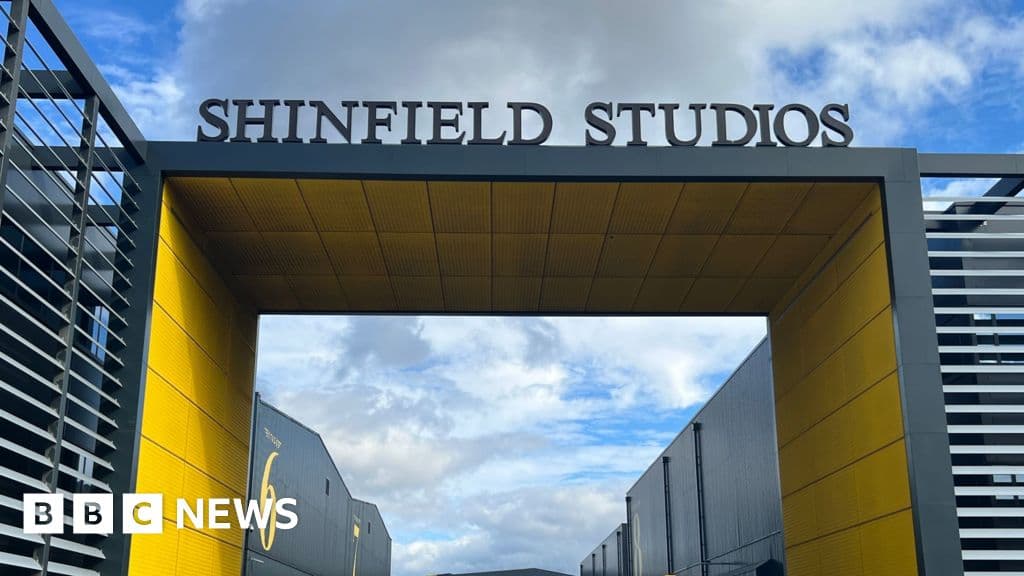
The UK film industry has long revolved around a familiar map: Pinewood, Shepperton, Leavesden, and the bustling streets of London. But if you drive west of the capital, past the last few Tube stops, you'll find a quieter revolution underway. Nestled in the leafy county of Berkshire, a studio is steadily carving out its own place in the Hollywood food chain, and the industry is starting to pay attention.
The facility, which has become a hub for high-end production and post-production work, represents a shift in how international filmmakers view the UK. It's no longer just about the historic lots and iconic sound stages near London. Berkshire is offering something different: space, flexibility, and a growing ecosystem of talent that doesn't require a cramped commute into the city center.
From Local Hub to Global Player
For years, the term "film studio" in the UK conjured images of massive, purpose-built complexes with decades of cinematic history. The Berkshire operation has taken a different route. Rather than trying to replicate the scale of the major studios, it has built a reputation on adaptability. Production teams working on large-scale features need more than just a stage; they need the surrounding infrastructure, from workshops to secure storage, and a location that can handle the logistical chaos of a major shoot without the gridlock of the M25.
What's particularly interesting is the clientele it's attracting. The studio isn't just servicing local productions; it has become a destination for Hollywood heavyweights looking for a base in the UK. This aligns with a broader trend of international productions choosing British facilities for their technical expertise and tax incentives, but the Berkshire location adds a distinct advantage: a bit of breathing room.
The Secret Sauce: Crew and Community
The real draw, according to industry insiders, isn't just the buildings. It's the people. The UK boasts one of the most skilled crews in the world, and a studio in Berkshire taps into a talent pool that stretches across the Thames Valley and beyond. For a production, that means access to experienced gaffers, camera operators, and set designers who might prefer a shorter commute to a facility outside the London bubble.
There's also a community angle that's hard to ignore. Studios of this nature tend to spark a local economic ripple. Nearby catering companies, equipment rental houses, and hospitality businesses find themselves in demand. It's the kind of quiet economic engine that doesn't make headlines but keeps the local area ticking over.
What This Means for the Industry
The success of a studio in Berkshire signals a potential decentralization of the UK film industry. While London remains the undisputed capital of British cinema, the idea that major Hollywood productions can be serviced just as effectively - and perhaps more comfortably - outside the city is a compelling one. It opens up possibilities for other regions to attract similar investment, potentially spreading the benefits of film production across the country.
For filmmakers, it's another option on the table. The UK's tax relief system has already made it a magnet for international shoots, and having more high-quality facilities outside the traditional hubs only strengthens that appeal. It's a competitive advantage that could help the UK keep pace with other European production centers.
The Road Ahead
Of course, no studio is without its challenges. The global demand for content remains high, but the competition between facilities is fierce. The Berkshire operation will need to keep investing in technology and infrastructure to stay relevant. It will also have to navigate the same issues facing the wider industry, from the shifting economics of streaming to the ever-present need for sustainable production practices.
But for now, the story is one of growth. From the outside, it might look like just another warehouse conversion with a few sound stages. But inside, the cameras are rolling, the edit suites are humming, and Hollywood has found a new home in the countryside. It's a quiet revolution, but in an industry built on spectacle, sometimes the quietest stories are the ones worth watching.
Source: BBC