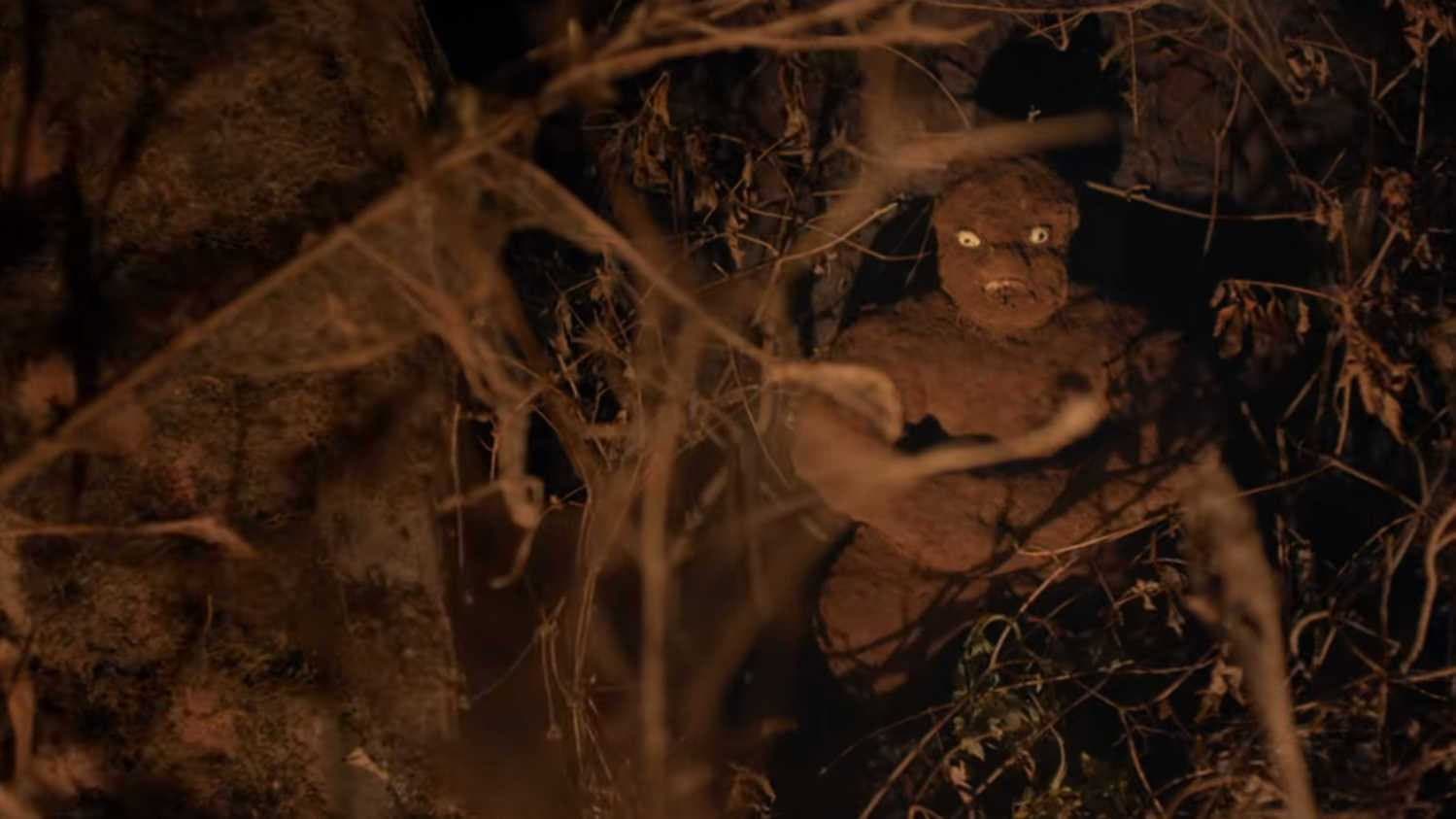
Halloween has always had a branding problem in India. While kids in other parts of the world map out candy routes and carve faces into pumpkins, October 31 tends to pass here with a shrug and a half-hearted costume party or two. But ask anyone who grew up on a steady diet of grandmothers' warning tales about the woman who walks with her feet turned backwards, or the ghostly bride who haunts the peepal tree at the edge of the village, and you'll realize India has never needed imported horror. It has been sitting on a treasure chest of supernatural terror for centuries. This Halloween, that chest is wide open on screen, and audiences are diving in.
The timing could not be better. Streaming platforms have spent the past few years quietly building folklore horror into one of their most reliable, and most distinctly Indian, genres. What began as a niche experiment in regional cinema has become a full-blown movement, one where cave-dwelling demons, vengeful spirits, cursed villages and shape-shifting entities are treated not as exotic novelties but as living, breathing parts of the cultural landscape. For viewers who grew up hearing these stories at bedtime, the appeal is obvious. For everyone else, it's a crash course in the kind of horror that doesn't need a jump scare to get under your skin.
The Scariest Stories Are the Ones You Were Told Growing Up
The secret sauce here is authenticity. Indian folklore horror doesn't just borrow spooky imagery from the West and slap a sari on it. It draws from a deep well of oral tradition, local legend and regional belief systems where the supernatural was never an outsider but always a neighbor. That grounded quality is exactly why these stories land differently. A haunted mansion in a foreign film is a novelty. A haunted well in a village your family actually visits is a childhood memory.
Horror anthologies that collect regional ghost stories have been especially effective at this, hopping between states and languages to showcase the sheer diversity of Indian spookiness. There's a symmetry to it too, since Halloween is itself a folk tradition, a night when communities once believed the boundary between the living and the dead grew thin. The only difference is that on October 31, the rest of the world calls it a holiday. In India, the dead have always been welcome to drop by unannounced.
Director John Doe on Why the Genre Keeps Getting Under Our Skin
"I've heard some version of this story since I was a child," says director John Doe, reflecting on why these narratives refuse to fade. "It travels from village to village, and everyone claims it happened to their neighbor." That line alone captures what makes Indian supernatural storytelling so potent. It isn't about proving the ghost is real. It's about the fact that the story belongs to everyone, and therefore to no one in particular. The ambiguity is the hook.
Doe's point speaks to a broader truth about the genre. The best Indian horror doesn't chase the monster down the hallway. It sits with the unsettling silence of a story you've been hearing your whole life but never quite had the nerve to question. That approach has layers of meaning for audiences who treat these stories as more than entertainment, something closer to inheritance. It's a history lesson and a haunted house ride in the same package.
Why This Halloween Is the Right Moment
So what makes this Halloween the moment to lean into India's eerie inheritance? Part of it is the sheer volume of options now available across languages and streaming services, offering everything from slow-burn regional chillers to full-throttle monster features. Part of it is cultural confidence. Filmmakers are no longer apologizing for the specificity of their stories or reshaping them to "appeal to wider audiences." Instead, they're doubling down on what makes them local, and the world is leaning in.
The bigger picture matters too. As horror continues its remarkable run as one of the most dependable genres at the global box office, the industry has finally recognized that the scariest stories are often the ones hiding in plain sight. India's folklore archive is massive, largely untapped and genuinely disturbing in ways no screenwriter could invent from scratch. That's a competitive advantage money can't buy.
For a Halloween evening, the advice is simple: dim the lights, pick a haunted village at random and let the ghosts in. Unlike the candy-fueled traditions elsewhere, the price of entry here is a little nerve and a lot of imagination. The spirits are ready. It's the living who might need a moment to steady themselves.
Source: t2ONLINE