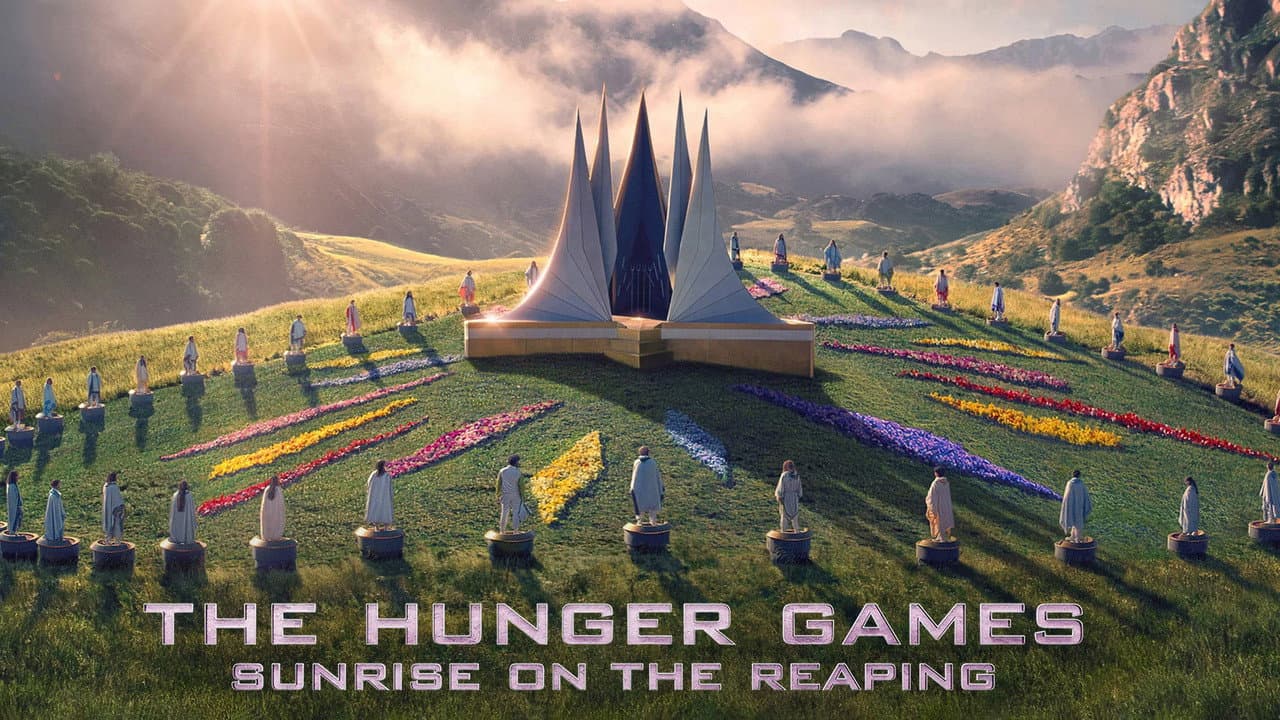
The odds, it turns out, were in Panem's favor all along. The Hunger Games: Sunrise on the Reaping has pulled in $279 million worldwide, a haul that doesn't just justify the prequel gamble - it effectively jolts the dormant franchise back to life. Arriving in theaters on November 18, the film has fans and newcomers alike flocking back to the dystopian world of Panem, proving that interest in Suzanne Collins' brutal universe never really died, it was just lying in wait.
For a series that many assumed had said its final goodbye, this is the kind of comeback that studio executives dream about. The number is a clear signal: audiences are hungry (pun fully intended) for more, even when Katniss Everdeen isn't the one holding the bow.
Return to the 50th Games
What's the secret sauce? Timing, mostly. Sunrise on the Reaping whisks viewers back 24 years before Katniss volunteered in her sister's place, dropping us right at the dawn of the reaping for the 50th Hunger Games - the notorious Second Quarter Quell. That's the very year a young Haymitch Abernathy was forced into the arena, long before he became the cynical, bottle-clutching mentor fans know and love.
That setup gives the movie a built-in narrative hook. This isn't a random spinoff; it's the origin story of one of the franchise's most beloved figures, and audiences clearly showed up to see how a kid from District 12 turned into the weary survivor who'd one day guide Katniss. There's something irresistible about watching a tragic backstory you've only heard referenced in passing finally play out on the big screen. It's the prequel equivalent of finding a lost chapter of a book you thought you'd finished.
A Director Who Knows This World
Francis Lawrence is back in the director's chair, which matters more than casual viewers might realize. He's steered the franchise through most of its previous installments, and his familiarity with Panem's visual language shows. At 159 minutes, the film isn't shy about taking its time, letting the dread build the way it did in the series' best moments. Clocking in at nearly two and three-quarter hours, it's a substantial sit - but the material clearly earns the runtime.
The cast is a fascinating mix of fresh faces and heavy hitters. Joseph Zada steps into the impossible shoes of young Haymitch Abernathy, carrying the emotional weight of the entire film on his shoulders. Mckenna Grace brings her signature intensity to Maysilee Donner, while Jesse Plemons takes on Plutarch Heavensbee - a role that should let him lean into the character's slippery political cunning. Ralph Fiennes returns to the role of President Snow, and honestly, there's nobody better suited to radiating cold, calculating menace.
The supporting roster is stacked: Glenn Close as Drusilla Sickle, Whitney Peak as Lenore Dove, Elle Fanning as a young Effie Trinket, and Kieran Culkin as Caesar Flickerman. Culkin as the flamboyant, unsettlingly chipper interviewer is a casting choice that practically begs to be seen. In a press release, producer Nina Jacobson gave credit where it was due.
> "Francis has lived in this world longer than almost anyone, and it shows in every frame," she said. "We were determined not to make a prequel for the sake of it. This story had to matter, and the audiences have told us it does."
Critics and Audiences Mostly Agree
Reception has been warm on both fronts. TMDb users have handed the film a 7.8 out of 10, while IMDb's crowd sits at a still-solid 7.6. That's the sweet spot studios love: strong enough to satisfy critics' sensibilities, accessible enough that general audiences aren't left cold. Neither score suggests a masterpiece, but both point to a movie that delivers on its promise.
Perhaps the most telling number, though, is the $279 million. Prequels are a tricky business - for every success, there's a stack of films that arrived too late to a franchise nobody was asking to revisit. But Panem has something most franchises don't: source material with genuine depth, a built-in fanbase that grew up with these books, and a premise dark enough to feel relevant in any era. The Second Quarter Quell wasn't just a footnote in the lore; it was always a story begging to be told.
For Lionsgate, this is a validation that justifies every dollar spent on rekindling the flame. For fans, it's proof that the world of Panem still has stories worth telling - and possibly more on the horizon. Whether that means further prequels or a new direction entirely, the message is loud and clear: the districts are back in business.
Source: The Indian Express