Hollywood has been borrowing from the Ramayana for decades - often without audiences even realizing it. The ancient Indian epic, which follows Prince Rama's exile, his wife Sita's abduction by the demon king Ravana, and the sprawling war to win her back, has quietly shaped some of the West's most beloved films. A new conversation around these cinematic echoes is putting that hidden influence back in the spotlight.
The through-line is surprisingly easy to trace once you know where to look. From a 1995 family favorite to a billion-dollar Marvel blockbuster, filmmakers have repeatedly reached for the Ramayana's bones - its loyal brothers, its devoted heroines, its kidnapped queens and righteous wars - and dressed them in new clothes.
The 1990s Connection Nobody Saw Coming
Start with A Little Princess, Alfonso Cuarón's 1995 adaptation of the Frances Hodgson Burnett novel. On the surface, it's a story about a girl at a strict New York boarding school. But Cuarón wove in an Indian fable told to the heroine, Sara, by her father - a tale of a prince and his wife, drawn directly from the Ramayana. The film frames the epic as a story of courage and devotion, filtering it through a child's imagination. It was one of the first times a major Hollywood release treated the Ramayana as living myth rather than exotic backdrop.
That same instinct - borrowing the epic's emotional architecture - shows up in The Lion King. Simba's exile, his struggle with duty, and his eventual return to reclaim his kingdom mirror Rama's arc in broad strokes. Disney has never framed it that way, and the parallels are loose, but the DNA is there: a rightful heir, a usurper, and a journey home.
Blockbusters and the Ramayana Blueprint
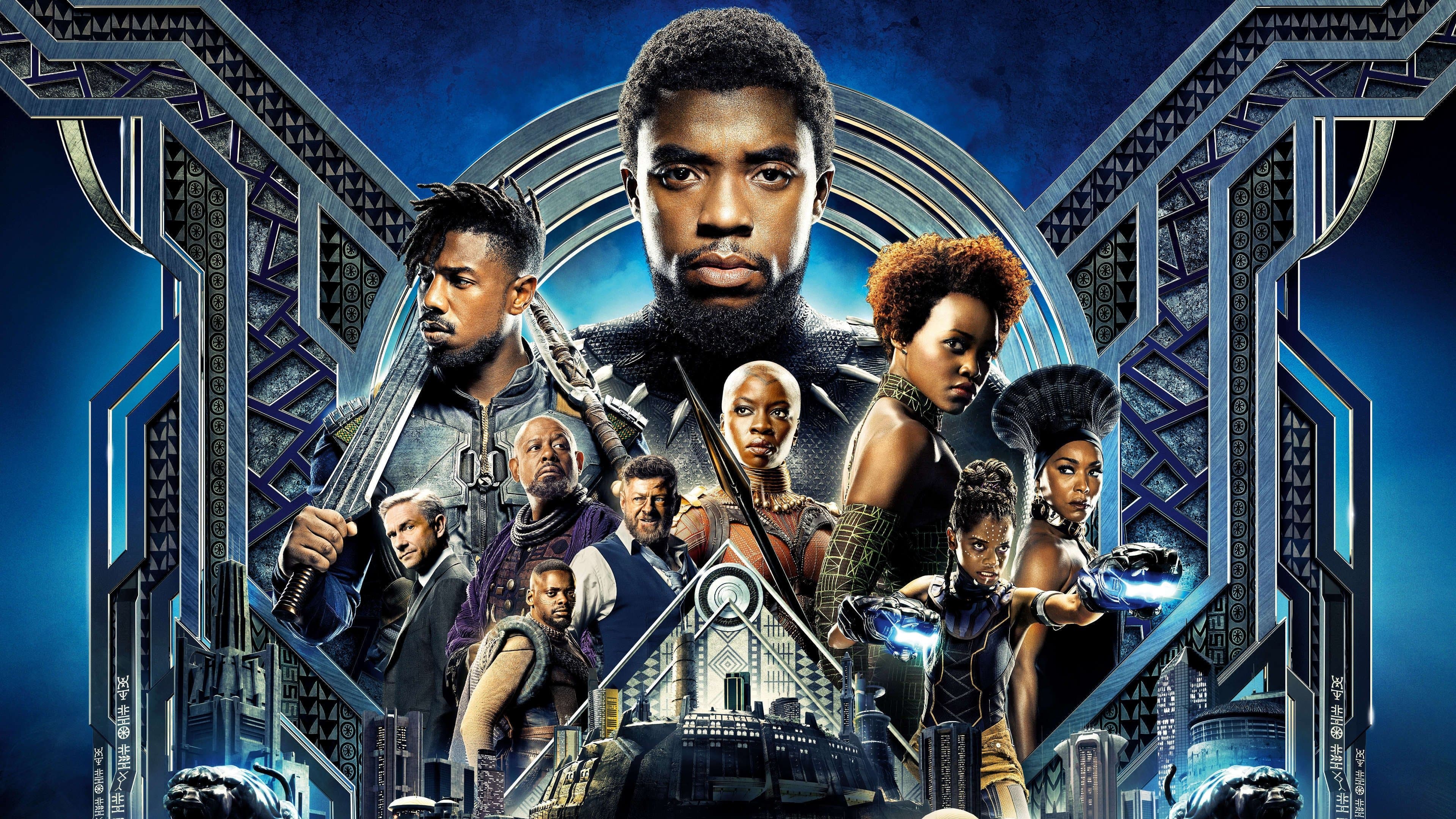
Then came the Marvel era. Black Panther gave Hollywood its most overt Ramayana riff in years, whether or not that was the intent. T'Challa's claim to the throne, his loyalty to his family, and the film's meditation on duty versus desire all resonate with the epic's central tensions. The movie's fictional African nation of Wakanda functions a bit like a mythic kingdom out of time - much the way the Ramayana's Ayodhya does.
Science fiction has gotten in on the act too. Star Wars has long been compared to the Ramayana by scholars, who point to the rescue of a princess, the mentor figures, and the hero's moral tests. George Lucas famously drew on world mythology, and the Ramayana's fingerprints are part of that mix.
Why the Epic Keeps Coming Back
The appeal is simple: the Ramayana is a machine for generating drama. You've got a noble hero, a terrifying villain, a damsel in distress who is far more complex than that label suggests, and a supporting cast of loyal allies. Swap the bows and arrows for lightsabers or vibranium, and the story still works.
There's also the matter of scale. The epic's battle sequences, its themes of exile and reunion, and its insistence that good must confront evil head-on translate naturally to the blockbuster formula. Hollywood has always loved a chosen-one narrative, and the Ramayana practically invented the template.
The Cultural Exchange Question
Not everyone sees these borrowings as harmless homage. Some critics argue that Hollywood strips the Ramayana of its spiritual specificity - its Hindu cosmology, its ritual meaning - and keeps only the plot beats. Others counter that myth belongs to everyone, and that reinterpretation is how ancient stories stay alive.
What's clear is that the exchange runs both ways. While Hollywood borrows from the Ramayana, Indian cinema has spent decades adapting it directly, and those films have found growing audiences worldwide. The conversation about who gets to tell these stories - and how - is only getting louder.
For now, the epic's influence shows no sign of fading. As long as filmmakers need a story about loyalty, loss, and the long road home, the Ramayana will be waiting in the wings.
Source: TheWire.in