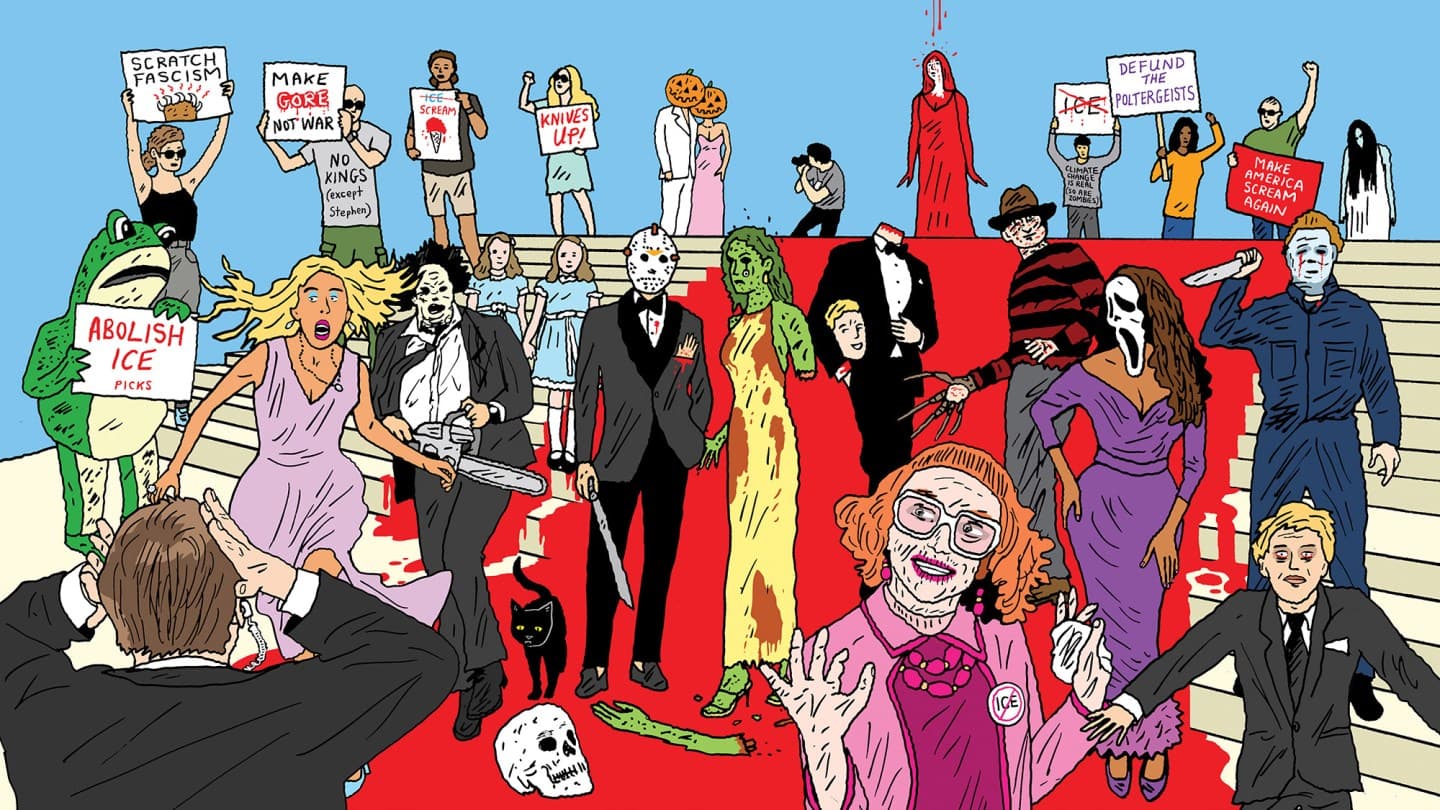
Something strange is happening on the festival circuit, and it has nothing to do with a surprise Palme d'Or winner or a four-hour director's cut. Two forces - one bloody, one ballot-adjacent - are quietly reshaping which movies get a red-carpet moment and which ones get quietly buried. According to growing chatter among programmers, critics, and industry insiders, horror and politics are squeezing film festivals from opposite directions, and the squeeze is getting tighter every season.
The irony is thick enough to spread on toast. Horror has never been more commercially dominant, yet the very festivals that once launched genre mavericks now treat a scare-heavy lineup like a scheduling headache. Meanwhile, politics - both the on-screen kind and the off-screen kind that dictates which filmmakers feel safe traveling where - has turned once-neutral festival grounds into ideological battlegrounds. The result? A cultural ecosystem caught between audiences who want to scream and institutions that would rather nobody raise their voice.
The Genre That Won't Stay in Its Lane
Let's be honest: horror has been the most reliable engine in movies for years now. Low budgets, loyal audiences, and a pipeline of directors who graduate from indie fright fests to studio gigs. That should make genre films a festival's dream - cheap to program, easy to sell, and guaranteed to fill a midnight slot.
But here's the rub. Prestige festivals have long treated horror as the weird cousin you invite to the party but seat near the kitchen. The genre gets a "midnight madness" sidebar instead of a competition slot. It gets dismissed as crowd-pleasing rather than artistically serious - right up until one of those "disreputable" films wins awards and suddenly everyone remembers they liked it all along.
What's changed is that audiences have caught on. When a buzzy horror title premieres at a major festival, it doesn't just sell tickets - it dominates the conversation for the entire event. That's a problem for programmers who've built their identity around auteur dramas and earnest social issue films. They can't ignore the genre anymore, but embracing it fully means admitting their hierarchy was always a bit snobbish. And nobody in the festival world likes admitting that.
When the Red Carpet Becomes a Minefield
Then there's the political problem, which is messier because it doesn't fit neatly into a genre box. Festivals have always been political by nature - juries hand out prizes that read like statements, opening night selections signal values, and the guest list is itself a diplomatic document. What's new is how raw and unavoidable those politics have become.
Filmmakers now weigh whether attending a festival means endorsing a government, a sponsor, or a foreign policy they'd rather not touch. Films about war, migration, and state violence arrive carrying baggage that has nothing to do with their running time. And festival organizers, caught between funders, host cities, and increasingly vocal audiences, end up making calls that please no one and anger everyone.
The fallout is predictable. Some directors skip premieres they'd otherwise attend. Some festivals lose sponsors. Some lineups get reshuffled for reasons that never make it into the press release. The movies themselves become secondary to the noise around them - which is a brutal irony for an art form built on getting people to pay attention to the screen.
The Real Casualty Is the Middle
Here's the part nobody says out loud: the biggest loser in all this isn't horror and it isn't politics. It's the middle. The mid-budget drama. The quirky character piece. The foreign-language discovery that used to get its moment because a festival had room for it.
When festivals pivot hard toward genre to chase audiences, or toward political statement films to chase relevance, the quiet stuff falls through the cracks. Those are exactly the movies that depended on festivals to find distribution at all. Streaming was supposed to be their safety net, but platforms have their own algorithmic appetites, and "quiet and thoughtful" rarely trends.
So we end up with a circuit that's louder, angrier, and scarier - literally - while the films that once defined the festival experience struggle to get a single screening. Whether that's evolution or erosion depends on who you ask. But the trend line is hard to miss.
None of this means festivals are dying. It means they're being forced to choose, over and over, between commerce and credibility, between provocation and preservation. Horror will keep delivering audiences. Politics will keep delivering arguments. The question is whether there's still room for everything else - or whether the middle finally gets squeezed out for good.
Source: The Hollywood Reporter