Hollywood has never met a story it couldn't tell twice. Or three times. Or however many times it takes to squeeze every last drop out of a good idea.
The latest gold rush isn't coming from comic books or video games - it's coming from your headphones. Podcasts, once the scrappy domain of true-crime obsessives and comedians with spare time, have become a full-blown intellectual property farm for studios scrambling for the next big thing. And the industry is now wrestling with an awkward question: when the same story shows up as a podcast, a movie, a TV series, and a limited-run documentary, does anybody actually win?
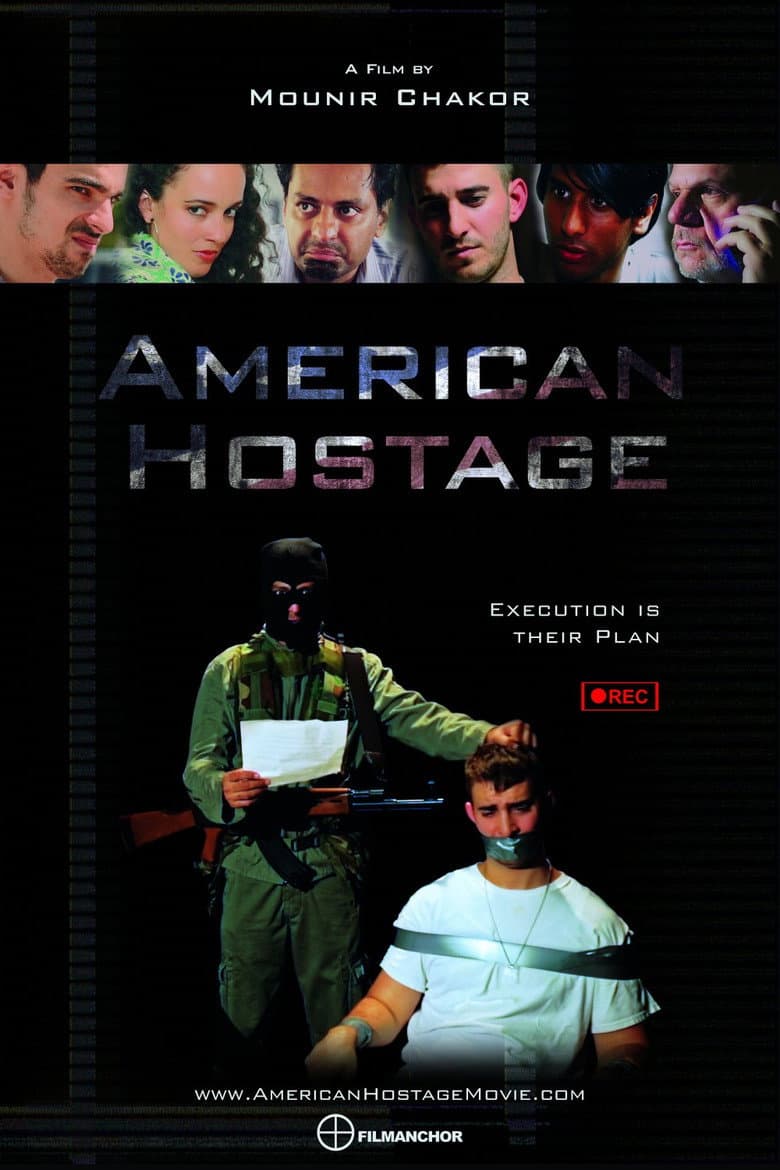
Take American Hostage, the podcast-turned-potential-screen-project that's become something of a poster child for this whole trend. The audio drama, which reimagined a tense 1970s hostage crisis with a big-name actor voicing the lead, showed executives something they'd been slow to notice: podcasts don't just tell stories. They build audiences. Devoted, binge-ready, extremely online audiences who will absolutely show up for a screen adaptation with the right cast attached.
The IP Land Grab Is On
Once that lightbulb went off, the floodgates opened. Studios started snapping up podcast rights the way they once fought over bestseller lists. Thrillers, memoirs, investigative series, even comedy improv shows - if it had a download count and a recognizable host, somebody in a Los Angeles office was writing up an option agreement.
The logic isn't crazy. Podcasts come with a built-in fanbase, a finished narrative arc, and - crucially - a much cheaper price tag than a bestselling novel or a beloved franchise. For a mid-budget feature or a streaming series, that's catnip.
But here's where things get sticky. That same accessibility that makes podcasts attractive also makes them abundant. When every network is chasing the same handful of breakout hits, the competition drives prices up and patience down. And the fans who loved the audio version? They're not always thrilled to watch a version that trades their favorite narrator's voice for a Hollywood face.
One Story, Four Platforms, Zero Chill
This is the part where the business gets genuinely weird.
A single property can now exist as a podcast, a film, a TV show, and a companion documentary - sometimes all within a couple of years of each other. On paper, that's synergy. In practice, it can feel like the same story is following you around the internet, tapping you on the shoulder every time you open a streaming app.
There's a real fear among producers that this oversaturation could cannibalize audiences. If you already heard the whole story on a podcast, why pay for a movie ticket? If you watched the docuseries, do you need the scripted version? The industry's bet has always been that different formats offer different experiences - and to be fair, that's often true. A podcast lets you live inside someone's voice. A film gives you faces, music, atmosphere. A series gives you room to breathe.
But there's a limit. Audiences aren't infinite, and neither is their patience for the same narrative repackaged with a fresh poster.
What Hollywood Gets Wrong - and Right
The smartest players in this space understand that digital IP isn't just content. It's a relationship.
The podcasts that translate best to screen tend to be the ones with strong characters and a clear visual hook - not just a juicy true story or a gimmicky format. Executives who treat podcast rights as a shortcut to a ready-made audience often learn the hard way that downloads don't automatically convert into tickets.
And then there's the talent problem. Podcast creators aren't always eager to hand over their babies to a studio that wants to "reimagine" everything. Some of the most successful adaptations have kept the original creators in the room - as writers, producers, or at least consultants. Others have gone badly sideways when the audio magic didn't survive the translation.
So Who's Actually Winning?
For now, the answer is: it depends who you ask.
Studios love the relatively low cost of entry and the built-in buzz. Podcasters love the payday and the broader reach. Audiences? They're getting more of the stories they already liked, told in new ways - which sounds great until it starts to feel like a rerun they never asked for.
The real test will come over the next few years, as the first wave of podcast-to-screen adaptations either builds franchises or fizzles out. If a handful of them become genuine hits, expect the land grab to intensify. If they flop, the industry will move on to whatever's next - maybe AI-generated audio dramas, maybe something we haven't invented yet.
Either way, one thing is clear: Hollywood has discovered that the best stories are often hiding in plain sight, tucked between ad breaks and true-crime intros. The only question is whether it can resist the urge to tell them over and over until nobody wants to hear them anymore.
Source: Variety