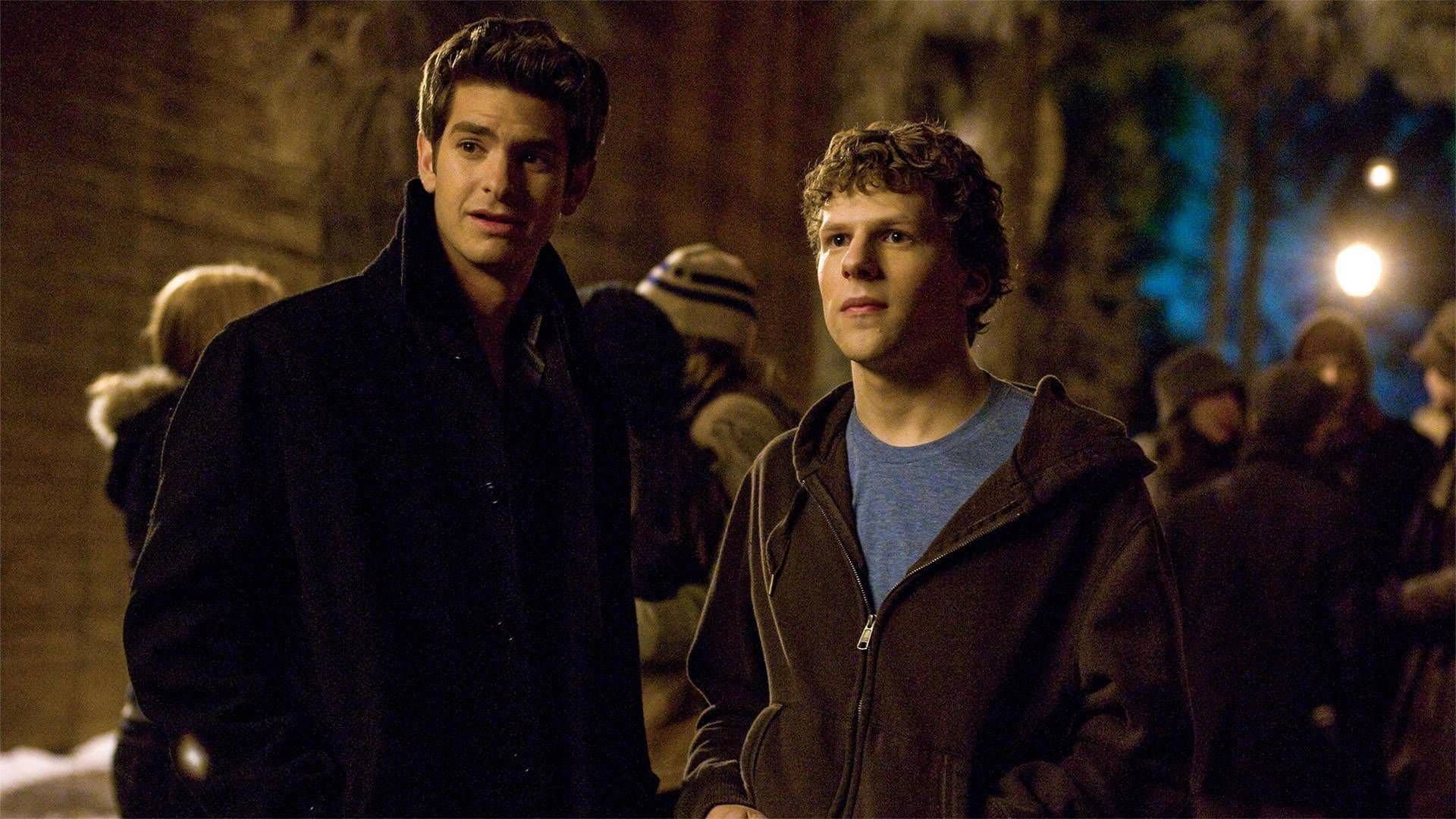
For decades, Hollywood knew exactly what to do with a genius in a hoodie. The tech billionaire was the guy who built the thing that saved the world in act three - the quirky visionary who cracked the code, funded the mission, or flew in with a fleet of gadgets just when the hero needed him most. That era appears to be over. In boardrooms and writers' rooms across town, the tech titan has quietly been recast, moving from the credits' "special thanks" slot straight into the antagonist's chair.
The Billionaire Who Used to Save the Day
It's worth remembering how recently the script flipped. For years, pop culture treated Silicon Valley's elite as benevolent wizards. Tony Stark was a weapons-dealing narcissist, sure, but he was also the most charming hero in the Marvel stable. The social network founders of the 2000s were written as misunderstood prodigies - awkward, brilliant, and ultimately sympathetic. Moviegoers bought it because the real-world founders were still, broadly, folk heroes. The myth held.
Somewhere along the way, the myth curdled. Audiences started leaving theaters less enamored with the visionary and more suspicious of the vision. The stories began to reflect that shift, and filmmakers noticed that a man with unlimited money, a private island, and a small army of engineers makes a far more unsettling villain than a cackling mastermind in a cape.
Why the Villain's Chair Fits So Well
Strip away the hero framing and the archetype is practically pre-loaded for menace. The modern tech mogul has resources that dwarf most fictional baddies: satellite networks, facial-recognition software, an algorithm that knows your habits better than your own mother does. That's a screenwriter's dream. You don't need a doomsday device when your antagonist can simply buy the company that makes the doomsday device - and then tweet about it.
There's also the psychological texture. The best screen villains are convinced they're the hero of their own story, and few figures lend themselves to that conviction more naturally. A founder who genuinely believes he's saving humanity while dismantling privacy, gutting local news, or building a rocket to escape a planet he helped ruin is a gift to any actor looking for a meaty monologue. Expect more scenes of a lone executive staring out a floor-to-ceiling window, monologuing about legacy while an underpaid employee quietly plots his downfall.
And let's be honest - audiences are primed. We've all had the experience of reading a tech CEO's manifesto and feeling a chill run down the spine. Cinema is simply catching up to the vibe.
The New Rules of Tech-Villain Cinema
The freshest versions of this trope aren't just cartoonish robber barons. The smarter films are interested in the ordinary people caught in the machine - the moderator who sees the worst of the internet, the engineer who spots the flaw in the code, the assistant who realizes her charming boss is quietly building something terrible. The billionaire becomes less a villain to punch and more a system to survive. That's a harder, more interesting kind of antagonist, and it's the direction the best of these movies are heading.
There's a risk, of course. When every tech executive on screen becomes a soulless automaton in a black turtleneck, the trope starts to feel as flattened as the "quirky genius" it replaced. The sharpest storytellers will find the nuance - the mogul who really did set out to connect the world and lost the plot somewhere between the Series B and the private jet. Ambiguity plays better than mustache-twirling. The best villains have always been the ones you halfway understand.
What It Says About Us
Hollywood doesn't invent its villains from thin air; it distills them from the anxieties of the moment. The shift from tech savior to tech overlord is less a creative fad than a mirror reflecting how the public's relationship with Silicon Valley has soured. We still love our gadgets. We're just less certain about the people selling them to us.
The good news for moviegoers is that this recalibration is producing richer, more adult thrillers and dramas - stories with something on their mind beyond a third-act explosion. The tech titan makes a thrilling antagonist precisely because the stakes feel borrowed from the headlines. And for the actors lucky enough to land these roles, the appeal is obvious: a tailored suit, a glass office tower, and a script full of terrifyingly reasonable justifications for destroying the world. Somebody hand out the awards now.
If this trend holds, the next wave of prestige dramas and twisty thrillers won't ask whether the man with the billions is secretly a hero. They'll assume he isn't - and the fun will be watching everyone else figure it out.
Source: The Economic Times