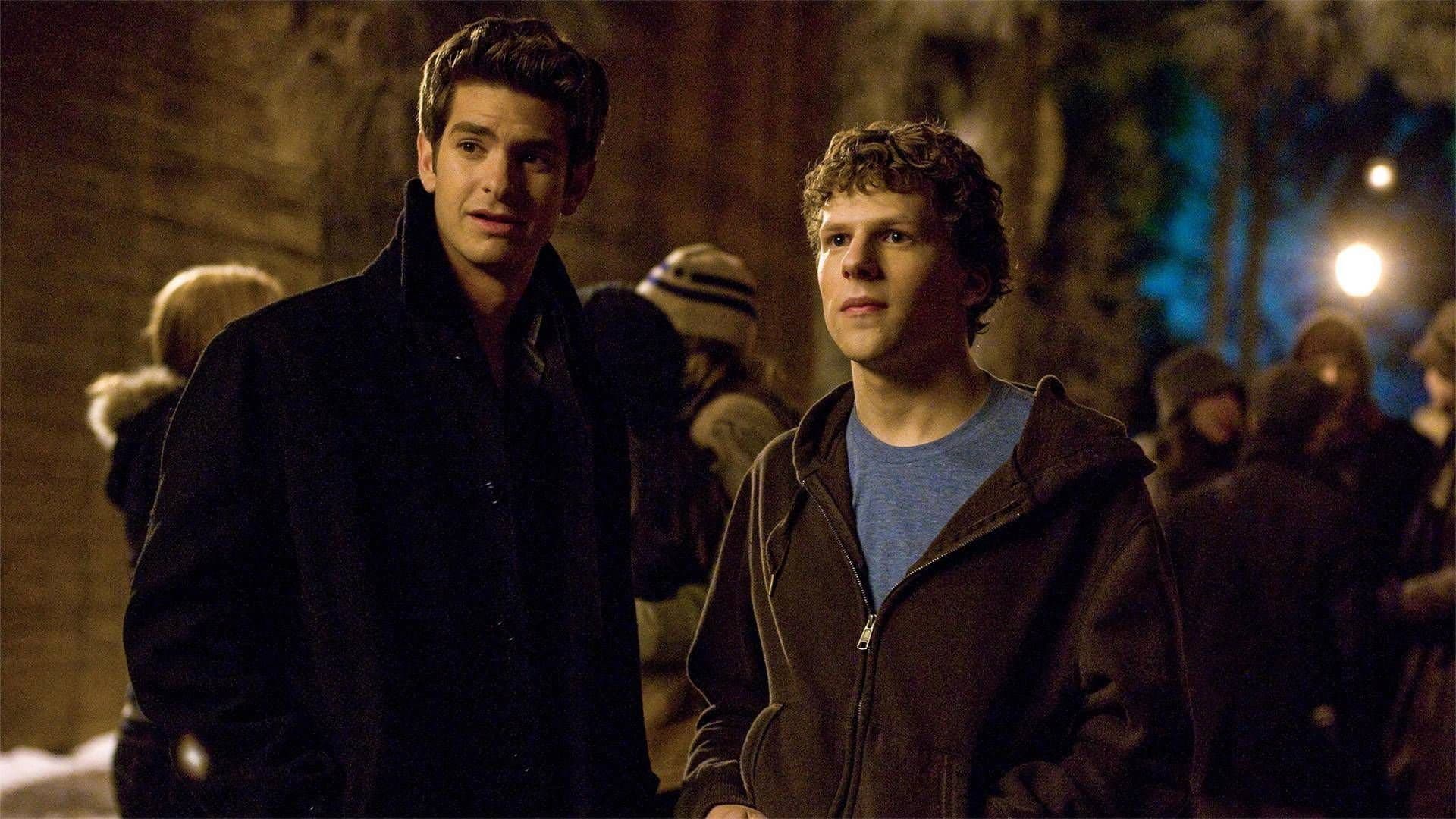
For decades, Hollywood's favorite villain was easy to spot: the guy in the sharp suit with the vaguely foreign accent, stroking a white cat while plotting world domination. These days, though, the bad guy looks a lot more familiar. He's wearing a hoodie, he's got a podcast, and he just raised another round of funding. Tech tycoons have officially replaced the classic corporate raider and the mad scientist as Tinseltown's go-to antagonist, and audiences can't seem to get enough of watching Silicon Valley's elite get taken down a peg on the big screen.
The shift didn't happen overnight, but it's hard to miss now. Where movies once cast oil barons and Wall Street sharks as the face of greed, they're increasingly turning to the founders and CEOs of the digital age. The appeal is obvious. Modern tech billionaires are larger-than-life figures who practically write their own dialogue, and their real-world theatrics give screenwriters a bottomless well of inspiration. The public's complicated relationship with Big Tech - we love our phones but we're not sure we trust the people who make them - makes for a villain the audience instinctively understands without a single line of exposition.
From Bond Villains to Boardrooms
There's a certain irony here, given that the tech world spent years positioning itself as the plucky underdog standing up to the establishment. Somewhere along the way, the disruptors became the establishment, and pop culture noticed. The result is a new archetype: the visionary who's convinced he's saving the world while steamrolling everyone in his path. Hollywood loves this guy because he's not a cackling caricature - he genuinely believes he's the hero of his own story, which makes him far more unsettling than any cartoonish baddie.
What makes these characters so delicious is the moral gray area they occupy. The best of them aren't twirling mustaches; they're giving TED talks. They talk about connecting humanity and democratizing information while their algorithms quietly reshape society. That tension - between lofty mission statements and messy reality - is exactly the kind of dramatic terrain filmmakers crave. It lets a movie raise real questions about privacy, power, and who gets to decide how we live, all while keeping the popcorn coming.
Life Imitates Art, Then Art Cashes In
Of course, the uncomfortable truth is that these stories don't have to stretch very far. Real-world headlines have blurred the line between fiction and documentary, which has only sharpened the appetite for on-screen comeuppance. Watching a fictional billionaire squirm under scrutiny feels cathartic in an era when actual tech moguls dominate the news cycle with bold pronouncements, controversial deals, and social media spats. Cinema offers a tidy, two-hour version of accountability that the real world rarely delivers with such satisfying pacing.
Yet filmmakers have to tread carefully. Go too broad and you've got a mustache-twirling parody that no one takes seriously. Go too specific and you risk making a thinly veiled reference that dates the movie the moment it's released. The sweet spot is a character who feels recognizable without being a literal portrait - a composite of ambition, arrogance, and the occasional moment of genuine charm. That's the villain audiences love to hate and, secretly, can't stop watching.
The Next Wave of On-Screen Villains
So what does this mean for the future of Hollywood's rogue's gallery? For starters, expect the tech-villain archetype to keep evolving alongside the industry it skewers. As new platforms and technologies capture the public imagination, the villain will follow the money and the headlines. There's no shortage of frontier technologies waiting for their moment as the backdrop to a gripping thriller or a sharp satire.
Meanwhile, the allure of a good moral fable remains as strong as ever. These stories succeed not because audiences want to see a specific real person get roasted, but because they tap into a universal worry about unchecked power. Whether it's a social network gone rogue or an AI startup with questionable ethics, the tech billionaire is the perfect vessel for our modern anxieties about the future - a figure who can be terrifying, ridiculous, and weirdly charismatic all at once.
In the end, Hollywood didn't invent the villain; it just updated the wardrobe. The guy stroking a cat has been replaced by the guy refreshing his follower count, and honestly? The new version might be even scarier. At least the cat was honest about its intentions.
Source: Financial Times