The short-form video boom has officially collided with old-school Hollywood muscle. A new player called aTwist is entering the microdrama arena, and it’s bringing some serious Tinseltown pedigree with it. Instead of relying on viral unknowns or algorithm-bait clips, this platform is betting that seasoned filmmakers and recognizable talent can deliver the same binge-worthy punch in bite-sized episodes - just with a bit more polish and a lot more star power.
The core idea here isn't revolutionary on its face. Microdramas, those vertical, snackable series designed for phone screens, have exploded globally, particularly in markets like China, where they’ve become a cultural and financial juggernaut. What is new is the pedigree behind aTwist. We're not talking about a scrappy startup of tech bros. The launch is backed by veterans who have spent decades navigating the studio system, producing blockbusters, and managing A-list careers. Their argument is simple: the format has proven it can hook audiences, but the content itself often lacks the narrative depth and production values that mainstream audiences expect from traditional TV and film. aTwist aims to fill that gap by offering series that don't feel like cheap filler between TikTok scrolls.
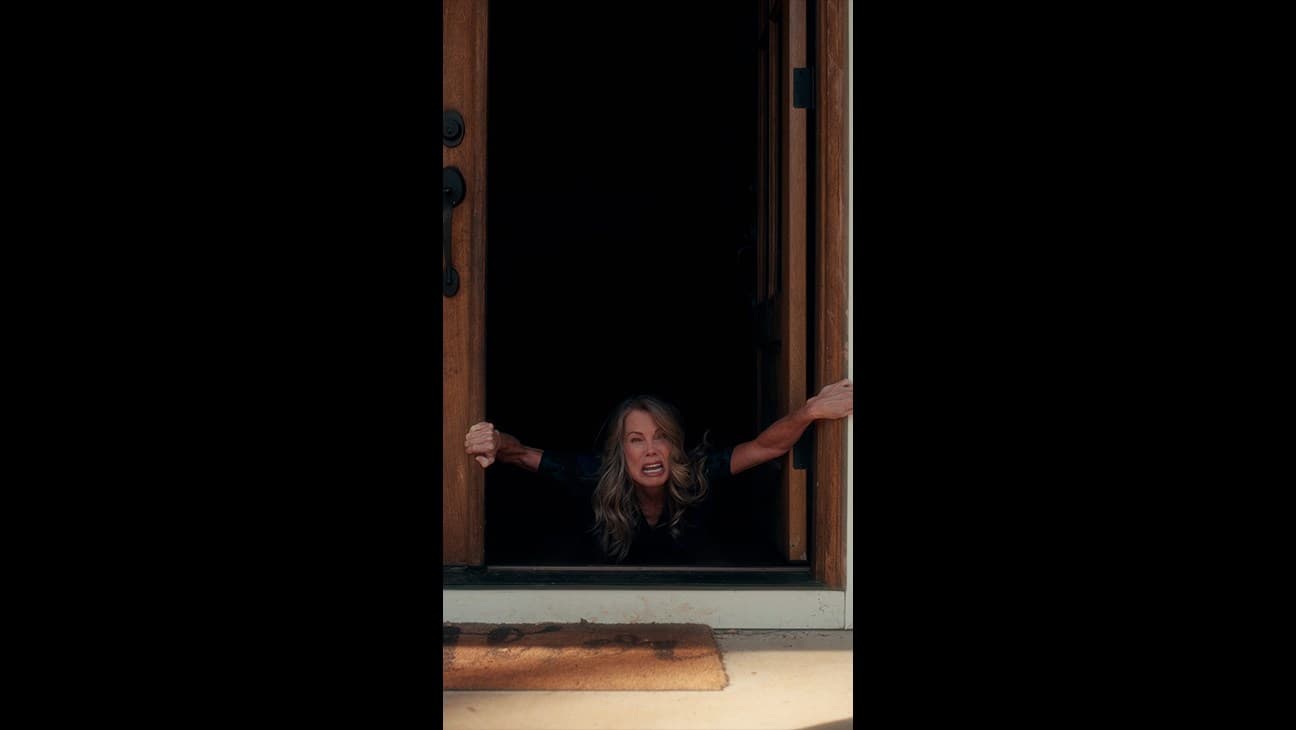
The initial slate is a clever grab-bag designed to show range, avoiding the trap of being pigeonholed into one genre. They’re launching with a horror title, a comedy, and an animated series - three distinct worlds that showcase different aspects of what the platform hopes to achieve.
The horror entry is tapping into the current appetite for short, terrifying scares, which fits the mobile format perfectly. Think of it as a series of expertly crafted jump-scares and psychological twists that don't overstay their welcome. Comedy, on the other hand, is a trickier beast in micro-form. A joke needs setup and payoff, which is hard to fit into a 90-second window. However, the team behind aTwist believes that with sharp writing and confident comedic timing, they can deliver laughs that feel as satisfying as any half-hour sitcom, just condensed for a modern attention span. Then there’s the animated series, which is perhaps the most intriguing gamble. Animation allows for a level of visual creativity and world-building that can be both spectacular and cost-prohibitive in live-action, and when done right, it can attract a dedicated cult following that lives for episodic releases.
The business model is also worth paying attention to. While specific financial details haven't been laid out, the platform is entering a space where monetization has been a bit of a Wild West. Some microdrama apps have leaned heavily on pay-per-episode structures or in-app purchases that can frustrate users. aTwist seems poised to leverage its Hollywood connections to secure brand partnerships and potentially ad-supported models that feel less intrusive. The talent attached to these projects is the real draw; the hope is that familiar faces will lure viewers who might otherwise scoff at the mobile-first format.
Of course, the skeptics will point out that star power doesn’t automatically translate to digital success. The microdrama audience is often different from the one that flocks to multiplexes on opening weekend; they’re younger, more impatient, and used to a specific, often frenetic, style of storytelling that favors constant cliffhangers over slow-burn character development. Can a Hollywood director adapt to the vertical frame and the breakneck pacing required? Or will they try to force a cinematic square peg into a very small, rectangular hole?
The response from the industry will be watched closely. If aTwist succeeds, it could open the floodgates for other established production companies to treat microdramas as a legitimate arm of their business, not just a dumping ground for test footage or rejected TV pilots. It could also provide a new lifeline for filmmakers who crave creative control but find the traditional financing model increasingly difficult to navigate. For actors, it offers a chance to maintain visibility between major projects without the grueling schedule of a full TV season.
Ultimately, aTwist is a fascinating litmus test for the future of entertainment consumption. It acknowledges that our attention is fractured but argues that we still crave quality. The question isn't whether people will watch short videos - that’s a settled fact. The question is whether they’ll tune in for short videos that feel like premium movies. The Hollywood veterans behind this venture are betting that the answer is a resounding yes. They’re banking on the idea that good storytelling is good storytelling, no matter how small the screen gets. Now, we just have to see if the audience presses play.
Source: The Hollywood Reporter