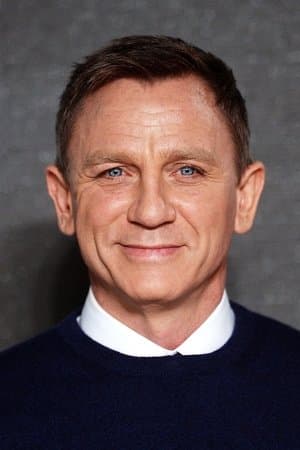
When a star like Daniel Craig throws a punch on screen, there's a decent chance the impact is real - or at least, the sweat behind it is. The James Bond alum is part of a stubborn Hollywood tradition: A-listers who insist on doing their own dangerous work, even when a perfectly capable stunt double is standing by in the wings. Craig, Harrison Ford, Angelina Jolie and Tom Cruise are among the most famous names in that club, and their willingness to get bruised, soaked and occasionally airborne has become as much a part of their public image as any red-carpet appearance.
The Bond Standard
Craig's tenure as 007 turned him into a poster child for the hands-on approach. Over five films, he built a reputation for physically demanding sequences - running, fighting and tumbling through sets that would make most insurance adjusters reach for a strong drink. Famously, he has taken knocks on set, including injuries that production crews had to work around. The result is a version of Bond that feels heavier and more human than the sleek, untouchable spies of earlier eras. Craig himself has acknowledged the wear and tear that comes with the job, even as he has kept signing up for more of it. That mix of bravado and visible fatigue is exactly why audiences respond: he looks like a man who actually did the thing, because he mostly did.
The Original Tough Guy
If anyone wrote the template, it's Harrison Ford. Long before the current wave of action stars turned their training regimens into marketing campaigns, Ford was getting dragged behind trucks (as Indiana Jones, which is a fairly specific kind of afternoon) and swinging across chasms that looked genuinely inadvisable. He has torn a knee ligament on set and kept going. He has flown his own aircraft, sometimes with harrowing results. At an age when most actors are politely seated in period dramas, Ford has continued to throw himself into physical roles, and he has never seemed particularly interested in bragging about it. His attitude has always been closer to a shrug: the character does the stunt, so somebody has to.
Angeline Jolie, the Action A-Lister
Angelina Jolie brought a different flavor to the club. In films like Tomb Raider and Mr. & Mrs. Smith, she trained extensively in combat and firearms work, doing as much of the physical choreography as production would allow. Her approach was less about death-defying spectacle and more about precision - making the movement look earned rather than edited. She has spoken about the appeal of that kind of training, the discipline of it, and how it changes the way a performer carries themselves on camera. For a generation of viewers, Jolie was proof that the action lead didn't have to be a muscle-bound man; she could be the one calling the shots and taking the hits.
Cruise and the Art of the Impossible
Then there's Tom Cruise, whose commitment has practically become its own genre. He has hung off the side of a departing cargo plane, performed high-altitude jumps for Mission: Impossible installments, and scaled the exterior of a skyscraper - in some cases reportedly hundreds of times - to get a take right. Cruise isn't shy about the PR value of it, and why would he be? Audiences know that when the camera pans out and it's actually him dangling there, they're watching a genuine risk, not a composite shot. That knowledge has helped keep a decades-old franchise feeling like an event. His insistence on practical spectacle has also made him an outlier in an era when digital effects can simulate nearly anything.
Why the Risk Is the Point
There's a business logic buried under all the adrenaline. Practical stunts deliver something no amount of rendering can fully fake: a sense that a real body is in real space, subject to real gravity. When Cruise runs, you can feel the pavement. When Craig takes a hit, the audience winces with him. Studios appreciate the marketing headlines, but the deeper payoff is authenticity. Of course, none of this happens without a massive safety apparatus - professional stunt coordinators, riggers, medics and insurance teams who make the danger survivable. The star may take the credit, but the crew makes it possible.
There's also an undeniable myth-making angle. An actor who does their own stunts earns a kind of credibility that no press tour can manufacture. Craig, Ford, Jolie and Cruise have each, in their own way, turned physical commitment into part of their brand. It distinguishes them from performers who show up, hit a mark and let the experts handle the falling. That distinction matters to fans, who love the bragging rights of knowing their favorite star really did the jump.
A Club With a Long Membership
The list runs deeper than four names, of course. Keanu Reeves, Tom Hardy, Charlize Theron and Jackie Chan all belong in the conversation, each with their own philosophy about where the line between performance and self-endangerment sits. Some train for months; some grew up doing martial arts and never stopped. The common thread is a refusal to be a passenger in their own action scenes.
So when the next blockbuster promises "real stunts," it's worth remembering the small army of people behind that promise - and the handful of stars, Craig very much included, who keep volunteering to leap first. Whether that's admirable or mildly insane is a matter of taste. Hollywood has apparently decided it's both, and keeps buying tickets to watch.
Source: The Times of India