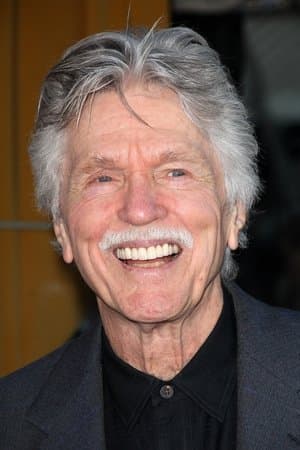
Hollywood is saying goodbye to one of those actors whose face you've known for so long it feels like he's always been around. Tom Skerritt, a steady, lived-in presence on screens big and small for more than half a century, is being remembered this week by co-stars, directors and fans who grew up watching him slip effortlessly between blockbusters, prestige dramas and the occasional sci-fi landmark. He was 91.
The tributes rolling in share a common thread: Skerritt was never the loudest guy in the room, and that was precisely the point. He built a career on restraint, on men who carried weight quietly, and on a work ethic that kept him busy well into his later years. Not many actors can say they anchored a Ridley Scott classic, sparred with Tom Cruise in a fighter-jet movie and won an Emmy along the way - but then again, not many actors were Tom Skerritt.
From Detroit to the Front Row of the New Hollywood
Born in Detroit and raised in the Midwest, Skerritt cut his teeth in the late 1950s and early '60s, logging early appearances on television before breaking through on the big screen. He was part of that scrappy generation of actors who came up in the shadow of the studio system and then helped tear it down, working with filmmakers who were rewriting the rules as they went.
His résumé reads like a tour through the last fifty years of American pop culture. There was Robert Altman's "MAS*H," the Korean War comedy that became a phenomenon and spawned one of the most beloved sitcoms in television history. There was "Harold and Maude," the darkly funny cult favorite that still gets rediscovered by new generations every few years. And there was "The Turning Point," the ballet drama that put him opposite Anne Bancroft and Shirley MacLaine.
Through it all, Skerritt had a knack for making everything around him feel more real. He didn't chew scenery. He let the scene come to him.
The Captain Who Wouldn't Listen
For a certain slice of the moviegoing public, though, Skerritt will forever be Captain Dallas, the doomed skipper of the commercial towing vessel Nostromo in Ridley Scott's 1979 sci-fi horror masterpiece "Alien." It's the role that introduced him to a whole new fandom, and it's the one that gets quoted back at him at conventions and in interviews for the rest of his life.
What made Dallas work was exactly what made Skerritt such a valuable actor: he played the captain as a working man doing a job, not a hero striking a pose. When things went sideways, his quiet authority made the terror around him feel that much more real. It's a performance that has aged beautifully - a reminder that the best sci-fi often hinges on the most grounded human beings in the frame.
Then came 1986's "Top Gun," where he played Viper, the seasoned instructor who mentors a cocky young Maverick. Sandwiched between fighter jets and volleyball scenes, Skerritt provided the gravitas - the grown-up in the room who reminded audiences what these hotshots were actually risking. It was a smallish part that left a big impression, the kind of role he specialized in.
An Emmy, a Second Act and a Long Ride
Television gave Skerritt some of his richest material. He won an Emmy for his work on "Picket Fences," David E. Kelley's quirky small-town drama, where he played Sheriff Jimmy Brock across four seasons. The role let him be funny, weary, warm and stubborn all at once - and it introduced him to viewers who hadn't grown up on his movies.
He never really slowed down. Skerritt kept working in film and television into his eighties and nineties, popping up in indie dramas and character parts, always recognizable, always welcome. Younger actors who shared scenes with him describe the same thing: a guy who showed up prepared, knew everybody's name and never made it about himself.
A Career Built on Trust
The through-line in the remembrances is trust. Directors trusted him to hold a scene together. Co-stars trusted him to have their back. Audiences trusted him to be the guy who made even a far-fetched story feel like it could happen to someone you know.
He wasn't a tabloid fixture. He wasn't chasing headlines. He was, by all accounts, a working actor in the truest sense - someone who loved the craft, did the job and went home. In an industry that worships flash, there's something deeply appealing about a career built on dependability, and the outpouring of affection this week says plenty about how much that steadiness meant to the people who worked alongside him.
Hollywood has a habit of saving its loudest praise for its loudest stars. But the tributes for Tom Skerritt tell a different story - one about a quiet giant who spent five decades making everyone around him look better. And honestly, that's the kind of legacy most actors would trade a lot of flash for.
Source: NBC News