Hollywood has spent the better part of a decade raiding its own vaults for ideas, so it was only a matter of time before it started looking east. The industry's latest favorite hunting ground? Indian cinema, where a steady stream of twisty thrillers and crowd-pleasing dramas has apparently convinced American studios that the cure for franchise fatigue might be hiding in plain sight. The trend isn't brand new - remake rights have been quietly changing hands for years - but the pace has clearly picked up, and titles like Drishyam and Maharaja are now part of the conversation in Los Angeles boardrooms.
The Remake Pipeline Is Running Hot
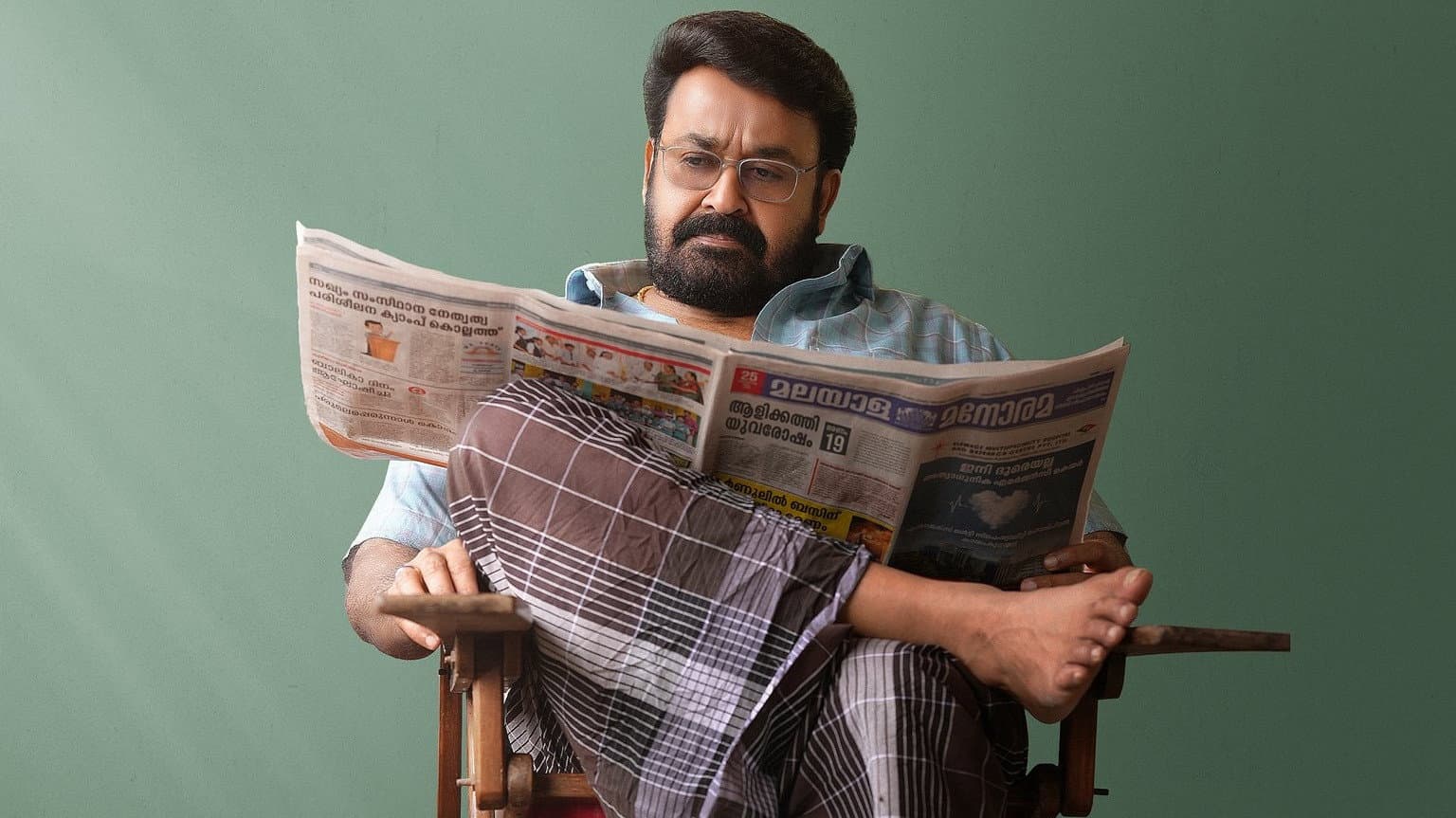
The Drishyam phenomenon is the easiest way to explain why. The Malayalam original, about a father who goes to extraordinary lengths to protect his family after an accidental death, became one of the most remade stories in modern Indian cinema, spawning multiple language versions and a Chinese adaptation along the way. It's the kind of high-concept, low-frills premise that travels well: no effects budget required, just a killer script and a smart lead performance. Studios love that math.
Then there's Maharaja, the recent Tamil thriller that became a word-of-mouth sensation and reportedly drew interest from international buyers almost immediately. Its appeal is the same thing that makes any good remake candidate: a premise you can pitch in one breath and a third-act turn that makes people sit up straight. Hollywood has always had a soft spot for a revenge story with a rug-pull, and this one apparently fits the bill.
What's notable is that the flow isn't just one direction anymore. Indian filmmakers have been adapting Hollywood properties for decades, and the exchange has become genuinely two-way. Studios are now scouting Indian releases in theaters and on streaming, tracking buzz on social media, and moving faster than the old licensing pipeline ever allowed.
Why Now? Blame the Algorithm
Part of this comes down to discovery. For years, Indian films outside a handful of breakout titles were invisible to Western executives unless someone hand-delivered a screener. Streaming changed that overnight. A thriller that opens big in Chennai or Kochi can now be on a global platform within weeks, complete with subtitles, and land in front of the exact people who decide what gets remade next. Add in the online fan culture that amplifies sleeper hits, and you've got a de facto scouting network that costs studios nothing.
There's also the matter of originality anxiety. The biggest Western franchises are built on intellectual property that audiences already know, and the pool of untapped English-language material is shrinking. Indian cinema offers something increasingly rare: stories that haven't been seen by a global mainstream audience yet. To a studio executive, that's not foreign-language content - that's a fresh idea with a proven track record in its home market.
And let's be honest, the economics are friendly. Buying remake rights to a mid-budget Indian thriller costs a fraction of what it takes to develop an original screenplay from scratch, and you get a finished story with a built-in proof of concept. It's the same logic that has driven Hollywood to Korean, Japanese, and French cinema for years. India is simply the next stop on a well-worn map.
The Catch: Remakes Still Have to Work
Of course, a remake pipeline is only as good as the movies it produces. Hollywood's track record adapting Asian films is famously hit-or-miss - for every success there's a forgotten attempt that sanded off everything that made the original special. Indian thrillers lean heavily on cultural specificity, family dynamics, and local texture, and the tricky part will be preserving what made them click while translating them for a new audience. Strip out the context and you're left with a generic revenge plot. Keep too much and you've got a movie that feels like a travelogue.
There's also the question of credit and compensation. Indian writers and directors are increasingly vocal about wanting a real seat at the table when their work gets reimagined, not just a check. How Hollywood handles those partnerships will determine whether this becomes a lasting creative exchange or another one-way extraction.
For now, though, the mood is optimistic. Indian cinema has spent years proving it can deliver suspense, emotion, and genuine surprises on modest budgets, and Hollywood finally seems to be paying attention. If the upcoming slate of remakes lands well, the pipeline will only widen - and the next Drishyam-style hit might get its English-language doppelgänger before the original even finishes its theatrical run.
Source: The Week