For decades, Hollywood has treated Africa as a backdrop - a place to send a rugged adventurer, a haunted safari, or a superhero who needs a dramatic origin story. But look closer at some of the biggest movies ever made, and you'll notice something striking: a surprising number of those films weren't just set in Africa. They were actually shot there.
From the sweeping savannas of Kenya to the bustling streets of Morocco and the dusty plains of South Africa, the continent has doubled for everything from ancient Egypt to a galaxy far, far away. The result is a rich, sometimes messy, always fascinating relationship between Tinseltown and the real places its cameras have roamed.
When the Savannah Stole the Show
Start with the obvious heavyweight. "Out of Africa," the 1985 epic starring Meryl Streep and Robert Redford, is practically a love letter to the Kenyan landscape. Filmed largely around Nairobi and the Ngong Hills, the movie turned the country's rolling grasslands into a character every bit as romantic as its leads. Streep's Danish baroness may have been the focus, but audiences walked away dreaming of acacia trees at sunset.
Decades later, "The Lion King" - the 2019 photorealistic remake - sent crews across Kenya and other parts of East Africa to capture reference footage. No, they didn't literally film animated lions in the wild, but the landscapes, light, and wildlife that fill the frame owe a direct debt to real African locations.
Morocco: The Ultimate Stand-In
If there's a workhorse of Hollywood's African locations, it's Morocco. The country's combination of desert, mountains, and ancient medinas has made it a go-to for productions that need to evoke the Middle East, ancient Rome, or even Tibet.
Ridley Scott's "Gladiator" shot its opening battle in the forests near Ouarzazate, while the city's Atlas Studios has hosted everything from "The Mummy" to "Game of Thrones." That last one might raise eyebrows - yes, parts of Essos and Slaver's Bay were actually Morocco, with Astapor's dusty streets and the gates of Yunkai built from scratch in the desert. When Daenerys marched into those cities, she was marching through North Africa.
Then there's "Casablanca." The 1942 classic that made the Moroccan city a symbol of wartime romance was famously shot almost entirely on a Warner Bros. soundstage in Burbank. The real Casablanca? It never saw Humphrey Bogart. Ironic, sure, but it speaks to how Hollywood's idea of Africa has often been more about imagination than geography.
South Africa's Blockbuster Boom
In recent years, South Africa has become the continent's busiest film hub. Cape Town and Johannesburg offer a rare mix: world-class crews, diverse architecture, and tax incentives that make studios very happy.
"District 9," Neill Blomkamp's 2009 sci-fi smash, put Johannesburg on the map in a whole new way. The film's alien slum was built on real South African ground, and the city's skyline and shantytowns gave the story a gritty, unmistakable sense of place. It wasn't a postcard - it was a mirror.
Marvel fans might not realize that parts of "Black Panther" drew on locations and visual research from across the continent, with South Africa and other countries contributing to the look of Wakanda. The fictional nation may be hidden, but its textures, colors, and landscapes were pulled from real African soil.
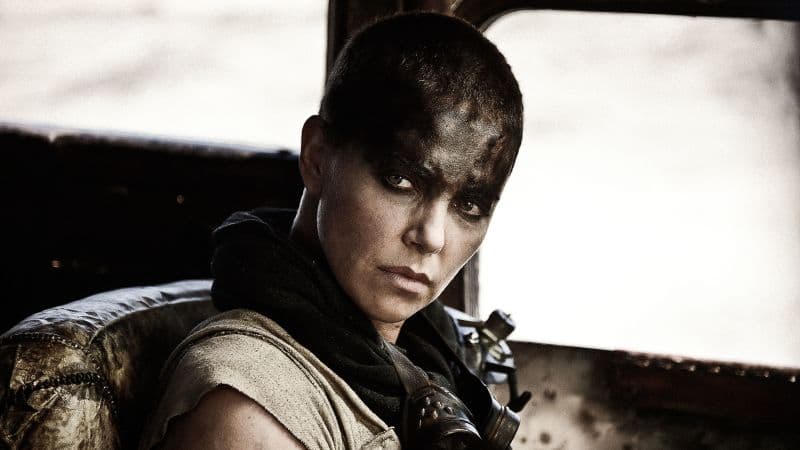
Even "Mad Max: Fury Road," for all its post-apocalyptic chaos, was originally slated to shoot in Namibia before production shifted to Namibia's desert expanses anyway - proving that when you need the end of the world, Africa delivers.
The Upside - and the Complicated Reality
It's easy to cheer when Hollywood packs its bags and heads to Africa. Local economies benefit, crews get work, and tourism often spikes. Kenya saw a boost after "Out of Africa." Morocco's film industry now employs thousands. South Africa's studios rival anything in Europe.
But the relationship isn't without friction. Critics have long pointed out that many of these films still center white, Western protagonists - the African setting is scenery, not subject. "Out of Africa" is told through a European lens. "Gladiator" uses Morocco to stand in for elsewhere. The continent is often a canvas, not a character.
Still, the tide may be turning. African filmmakers are increasingly telling their own stories, and global streaming platforms are paying attention. When Hollywood comes calling now, it's more likely to collaborate than simply colonize.
The Bottom Line
So the next time you watch a blockbuster and spot a sweeping desert, a crowded market, or a misty mountain range, ask yourself: where was that really? Chances are, Africa played a starring role - even if the credits didn't shout about it.
From Kenya's grasslands to Morocco's medinas to South Africa's studios, Hollywood's biggest hits have been quietly filming on African soil for generations. The continent isn't just a location. It's a leading player in some of cinema's most unforgettable moments - and it's finally getting more of the recognition it deserves.
Source: CNN