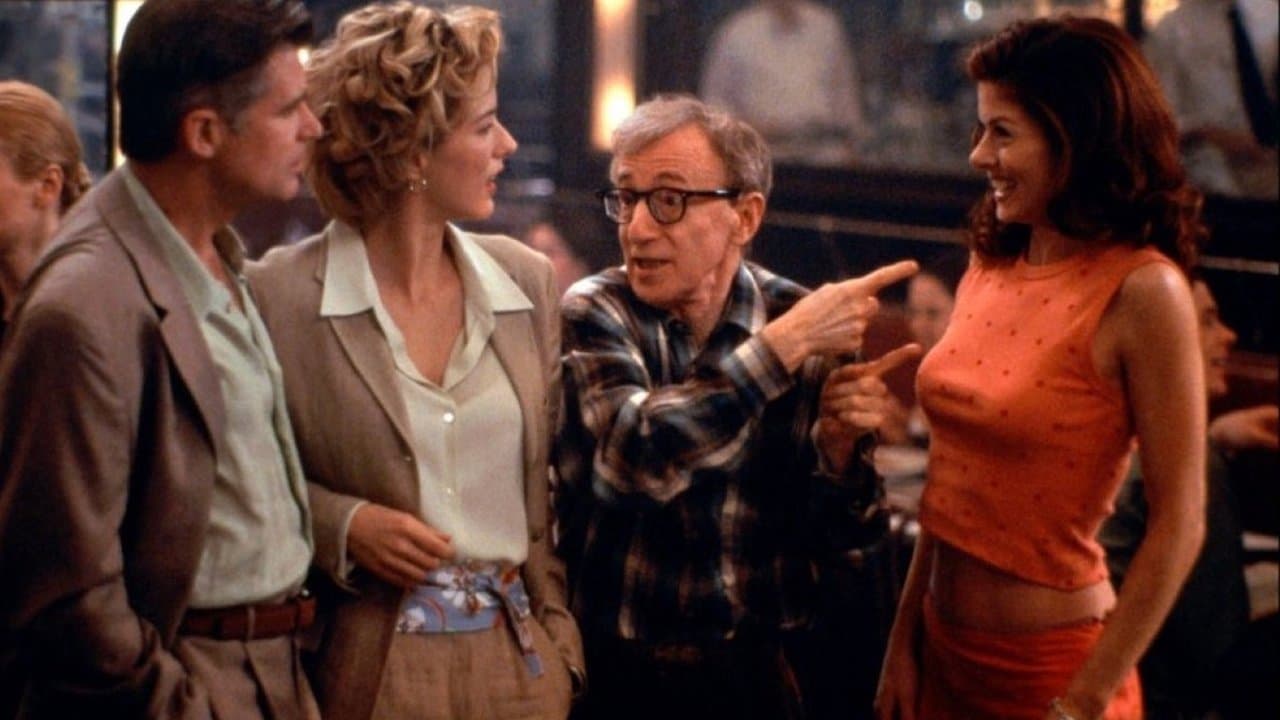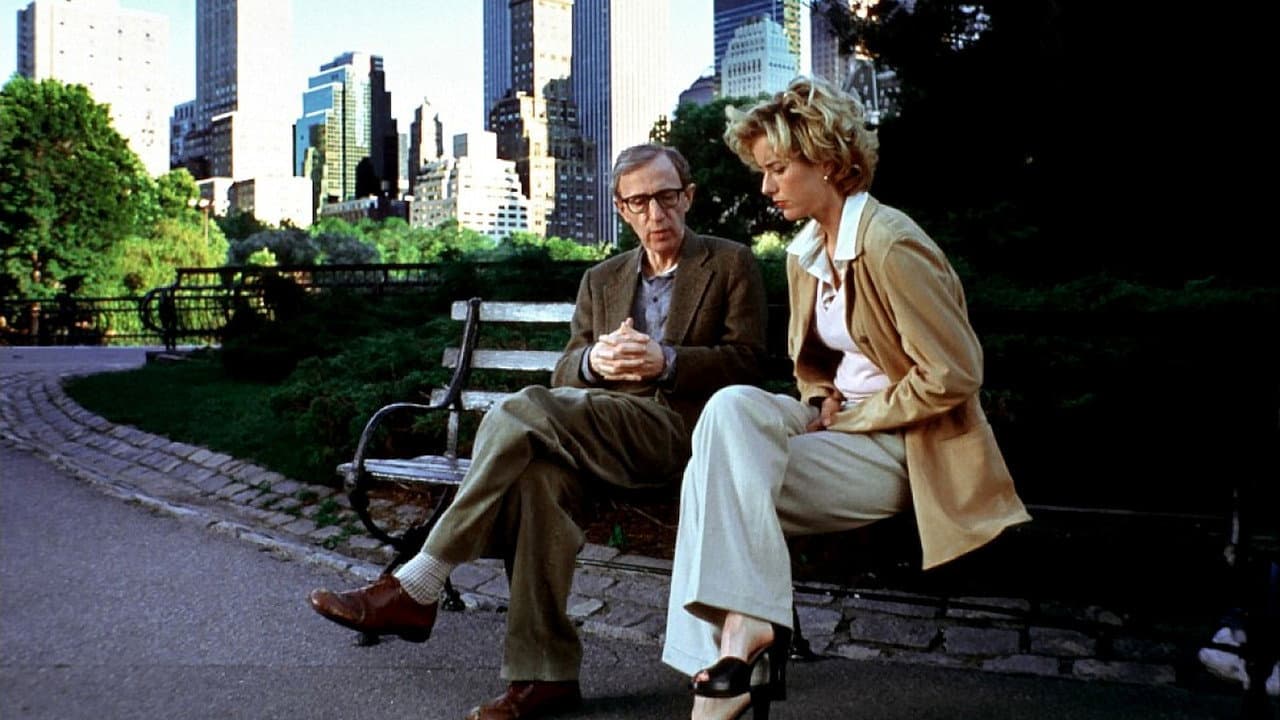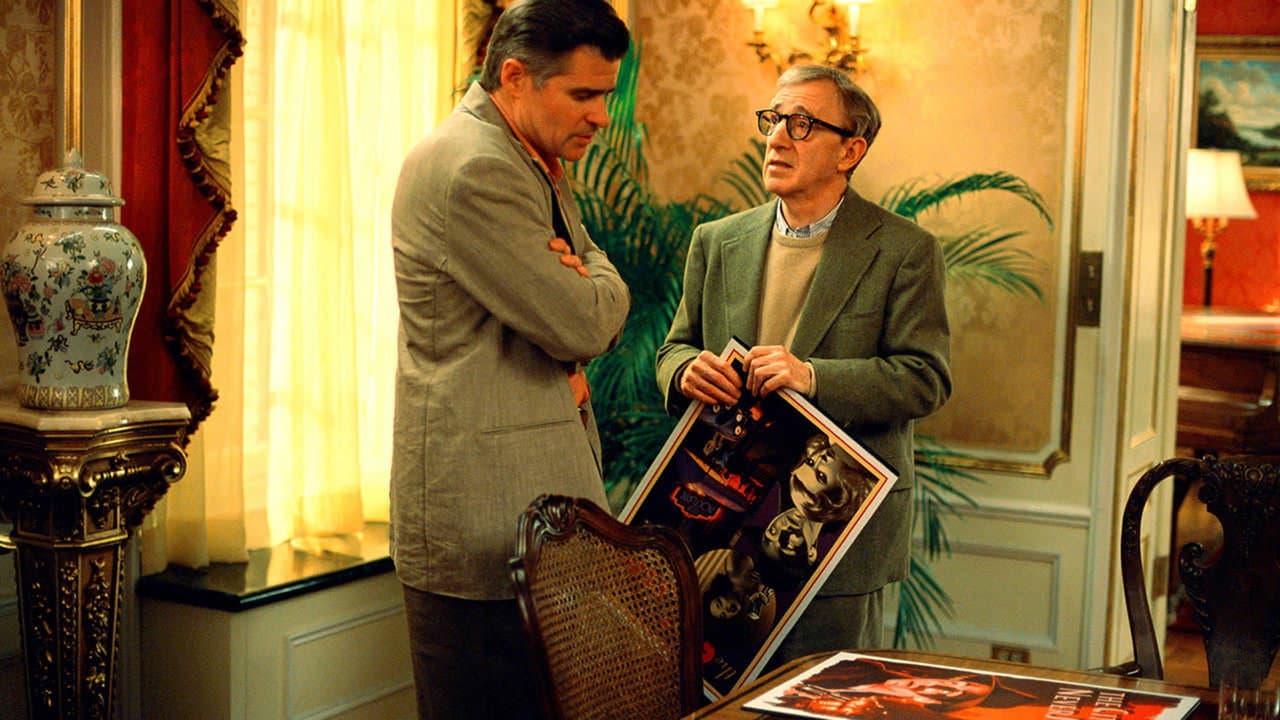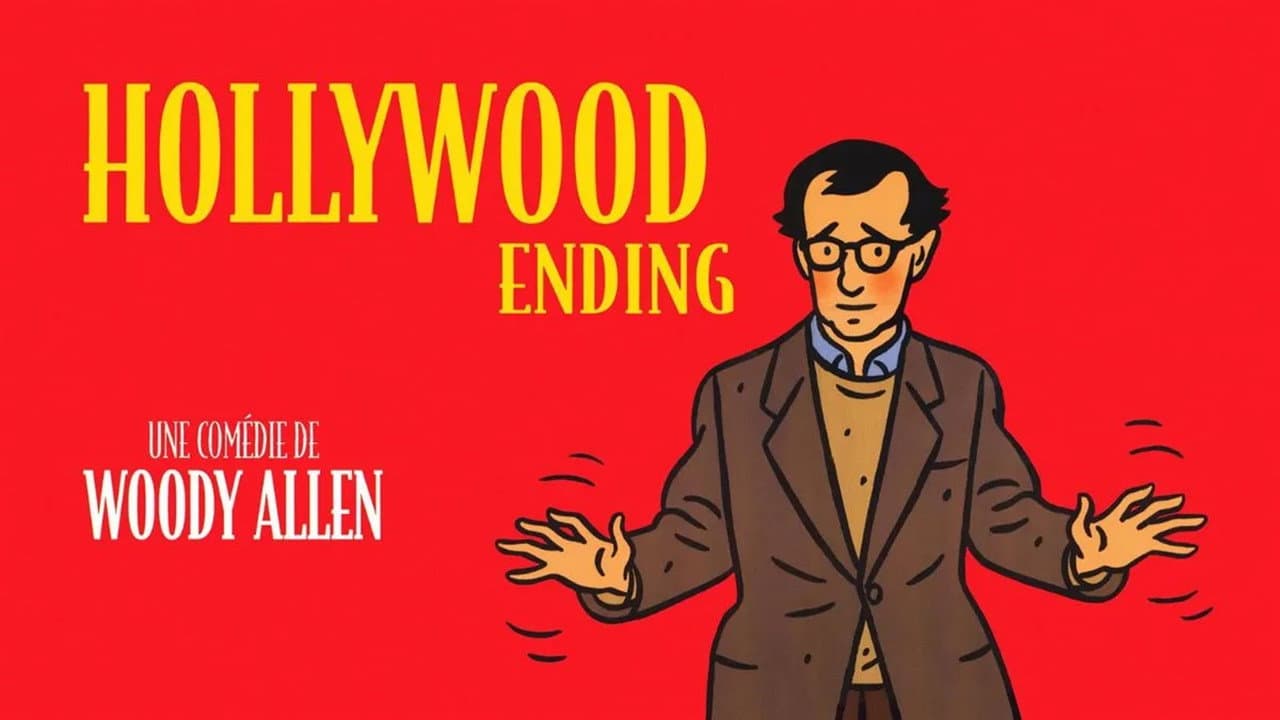
There's a moment in every celebrated career when the applause starts to sound like an echo, and that's precisely the twilight zone Woody Allen wanders into with "Hollywood, Ending," a 2002 comedy-drama that turns the spotlight back on the machinery of fame itself. Allen plays Val Waxman, a two-time Academy Award winner who has somehow slid from the A-list to the "who's he?" list, a neurotic director clawing at the curtain for one more grand entrance. The film, which Allen also directed, opened on May 3, 2002, and runs 112 minutes, blending laughs with a quieter meditation on what happens when the industry you once conquered starts returning your calls with a dial tone.
The premise is classic Allen: a man of considerable ego and even more considerable anxiety gets handed a lifeline he can barely grip. Waxman's comeback arrives through the last person on earth he'd expect to rescue him - his ex-wife, Ellie, played by Téa Leoni. The offer is simple enough on paper: direct the picture, or kiss your final shot at relevance goodbye. But nothing about Val's life has ever been simple, and the arrangement drags him straight into the murky waters of old wounds, unresolved feelings, and the very real possibility that he's mistaking gratitude for something warmer.
A Comeback With Strings Attached
That central question - is Val blinded by love, or is love simply blind when it comes to Ellie's unwavering faith in him? - is the engine that keeps "Hollywood, Ending" humming beneath its comic surface. It's a film that literalizes its own metaphor: the proof, as the tagline teases, is the picture. Allen's script keeps the audience guessing whether Waxman is genuinely reconnecting or just auditioning for a second act with the one person who ever truly believed in him. It's a sharp little knot of a dilemma, and it's the kind of emotional puzzle Allen has spent decades perfecting.
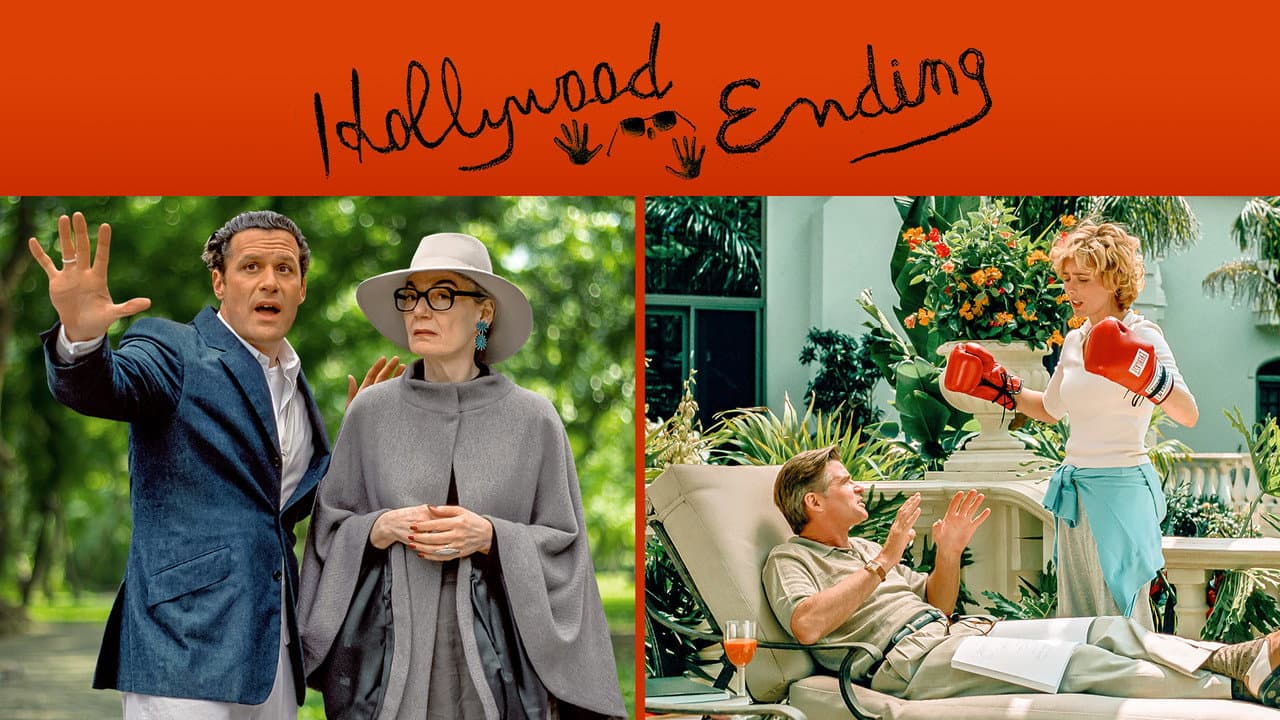
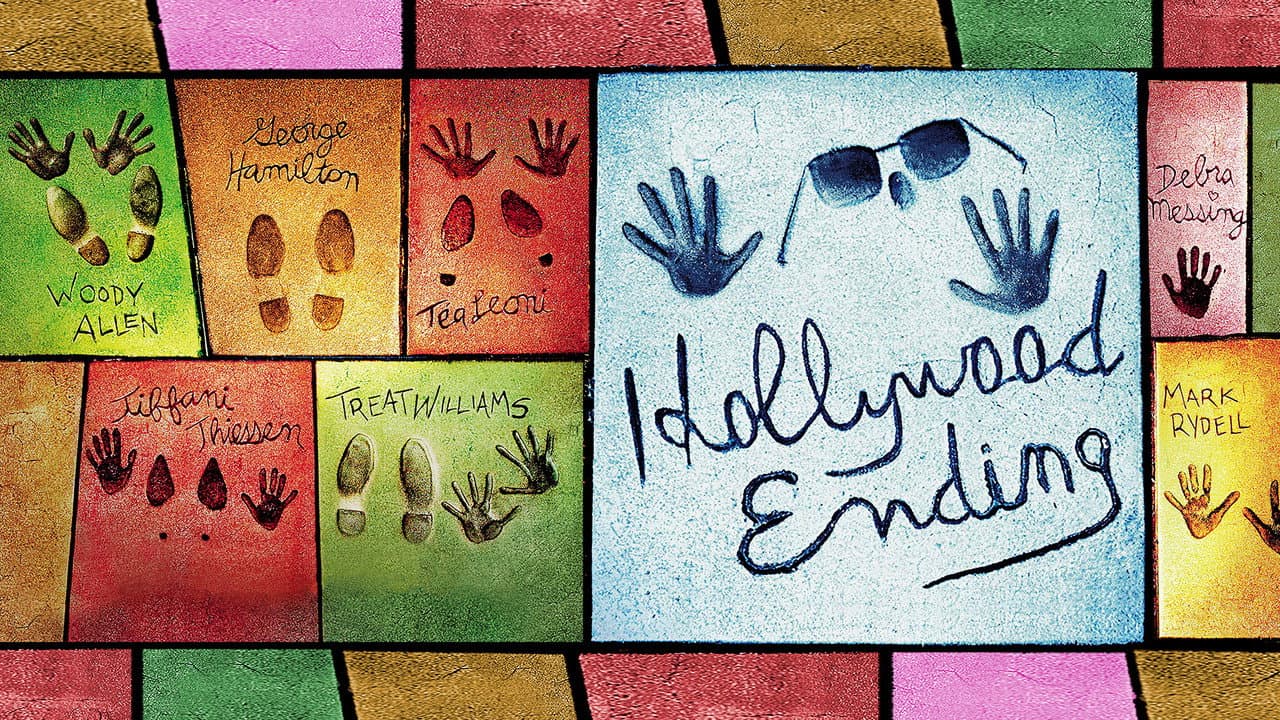
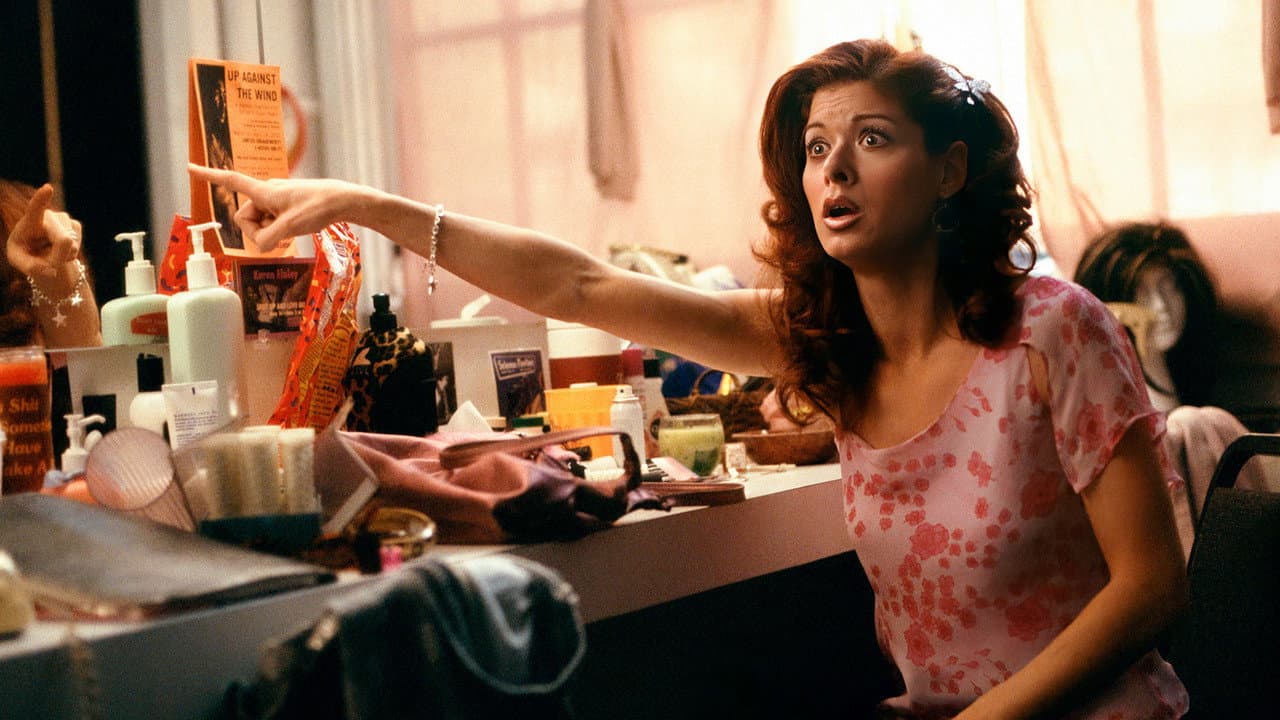
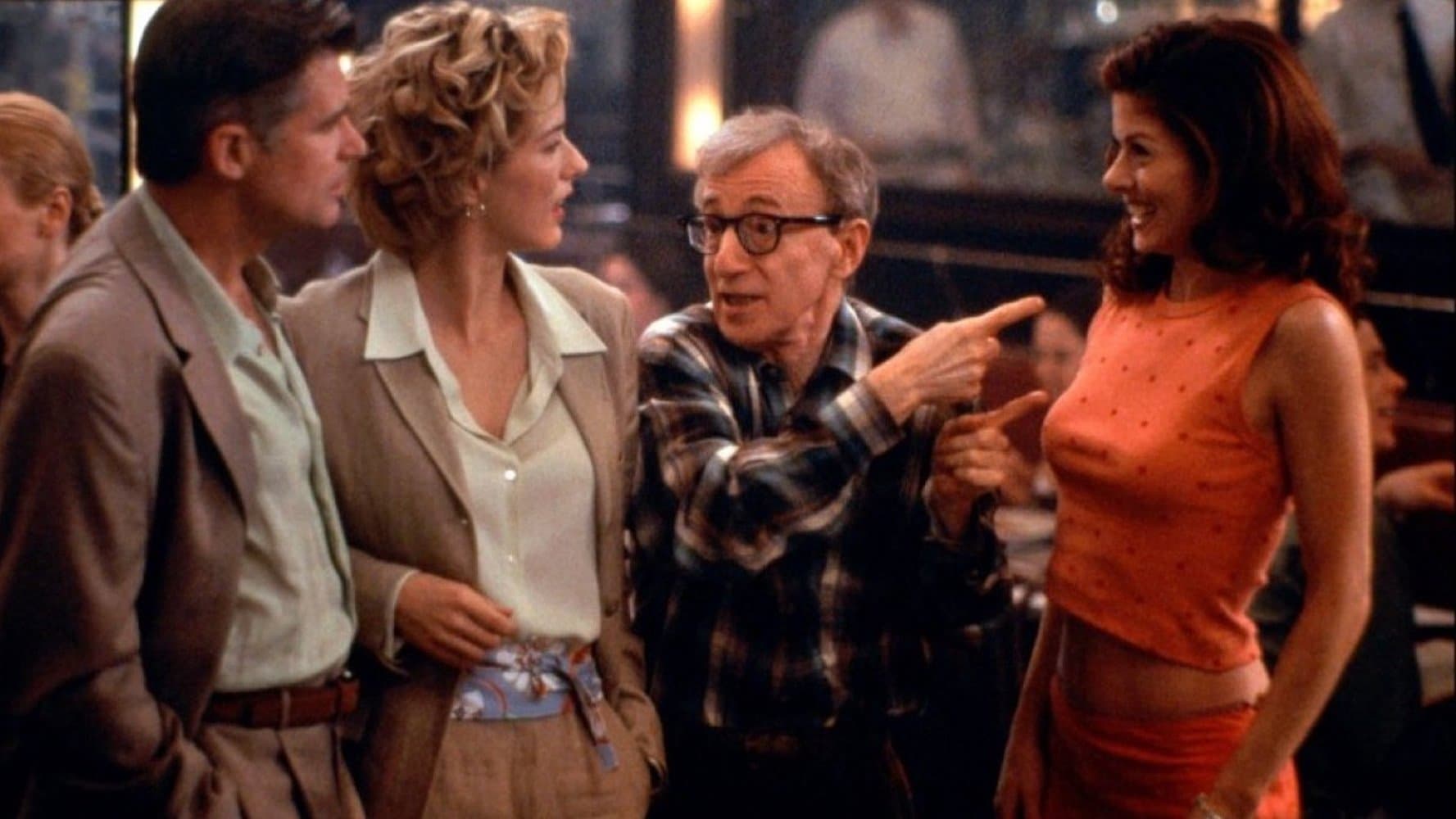
The supporting cast reads like a Rolodex of familiar faces. George Hamilton steps in as Ed, while Debra Messing appears as Lori, Mark Rydell as Al, Treat Williams as Hal, Jodie Markell as Andrea Ford, and designer Isaac Mizrahi - yes, that Isaac Mizrahi - turns up as Elio Sebastian. It's an ensemble that knows exactly how to play Allen's particular brand of arched-eyebrow comedy without tipping into pure farce.
A Era of Scrutiny, Wrapped in a Comedy
What makes "Hollywood, Ending" worth revisiting now is how neatly it anticipated the modern obsession with celebrity reinvention. Long before every fallen star got a comeback documentary or a redemption arc engineered by publicists, Allen was already poking at the vanity, desperation, and strange tenderness that fuel second chances. Val Waxman is a relic of an older Hollywood - the kind of director who once mattered and now mostly matters to himself. Watching him navigate the minefield of an ex-wife's generosity is both funny and faintly melancholy, a reminder that in this town, the line between a favor and a debt is razor thin.
The film holds a 6.5 out of 10 rating on TMDb, a middling score that suggests audiences found it pleasant but not seismic - a solid double rather than a home run. Still, for Allen completists and for anyone who enjoys watching the entertainment machine chew on its own legends, there's plenty to chew on here. The movie knows that Hollywood never really ends anyone; it just stops calling. And sometimes, if you're lucky and your ex-wife is feeling generous, the phone rings one more time.
Whether Val Waxman deserves that call - or whether he's just too proud, too lovesick, or too blind to see it for what it is - is the question "Hollywood, Ending" leaves dangling. It's a comedy with a sting, a drama with a smirk, and a neat little time capsule of an era when celebrity scrutiny was just warming up. For anyone who's ever wondered what happens after the applause dies, this one's worth a watch.
Source: ndsmcobserver.com