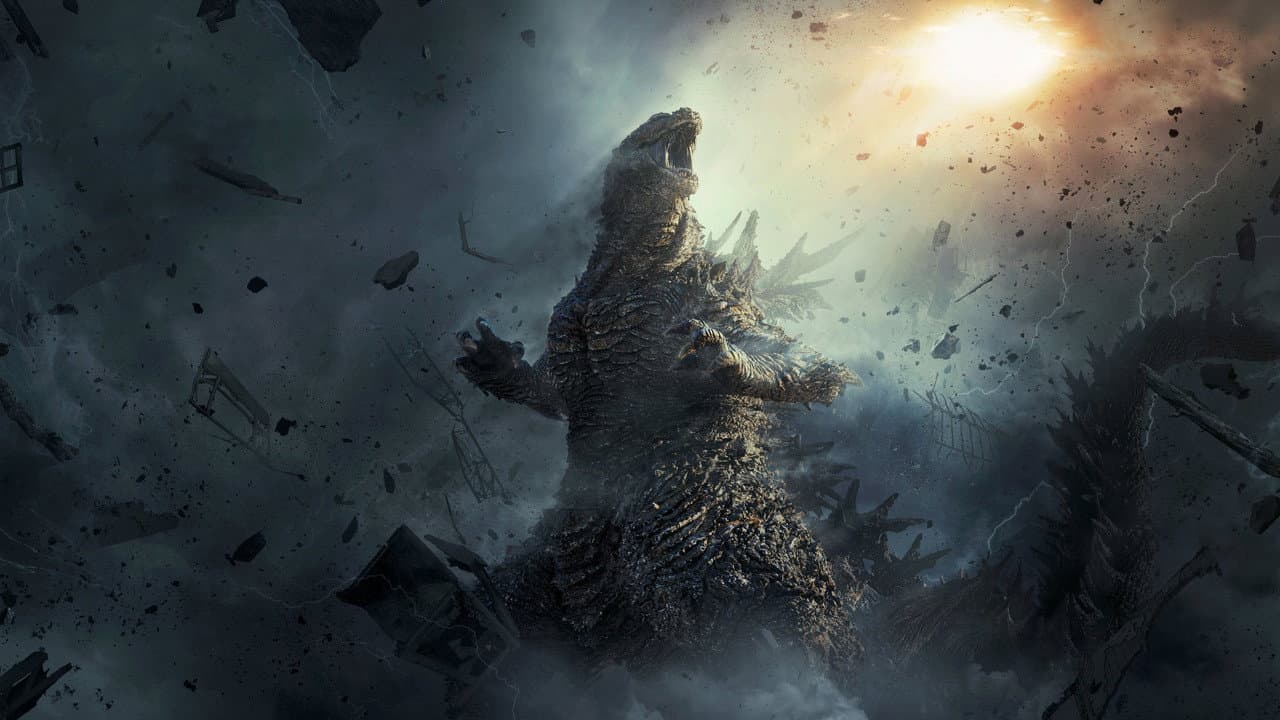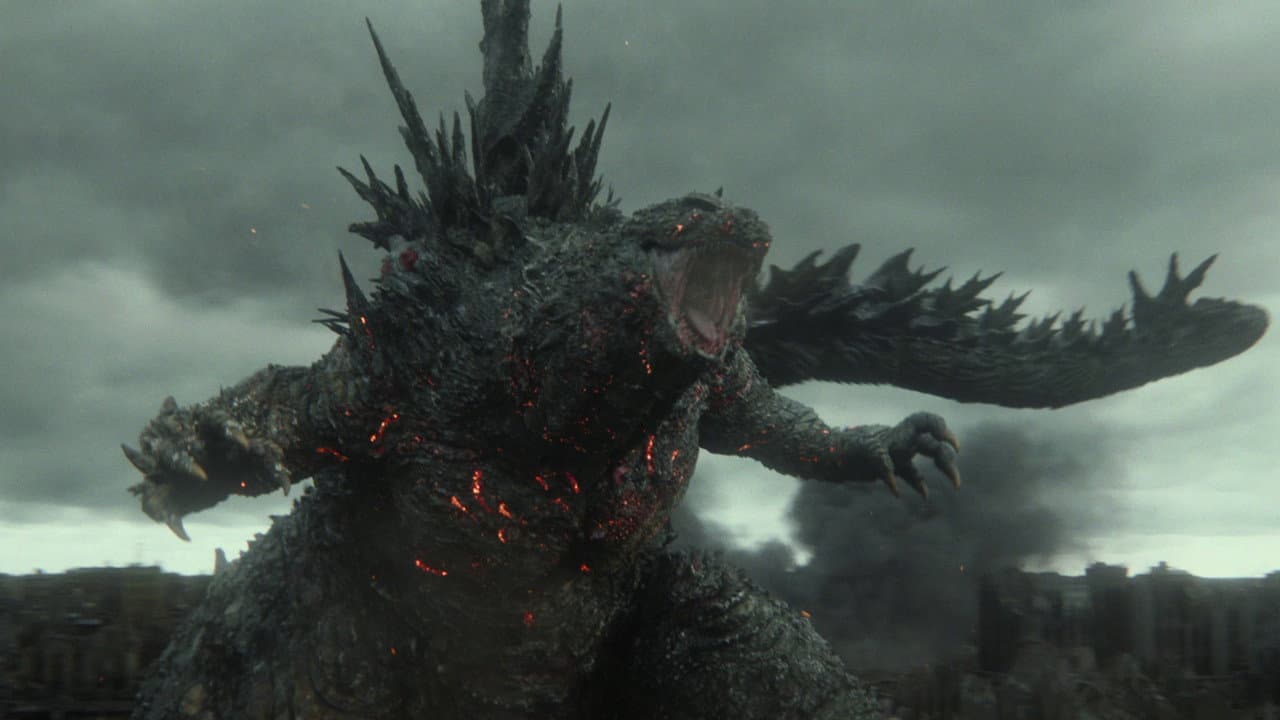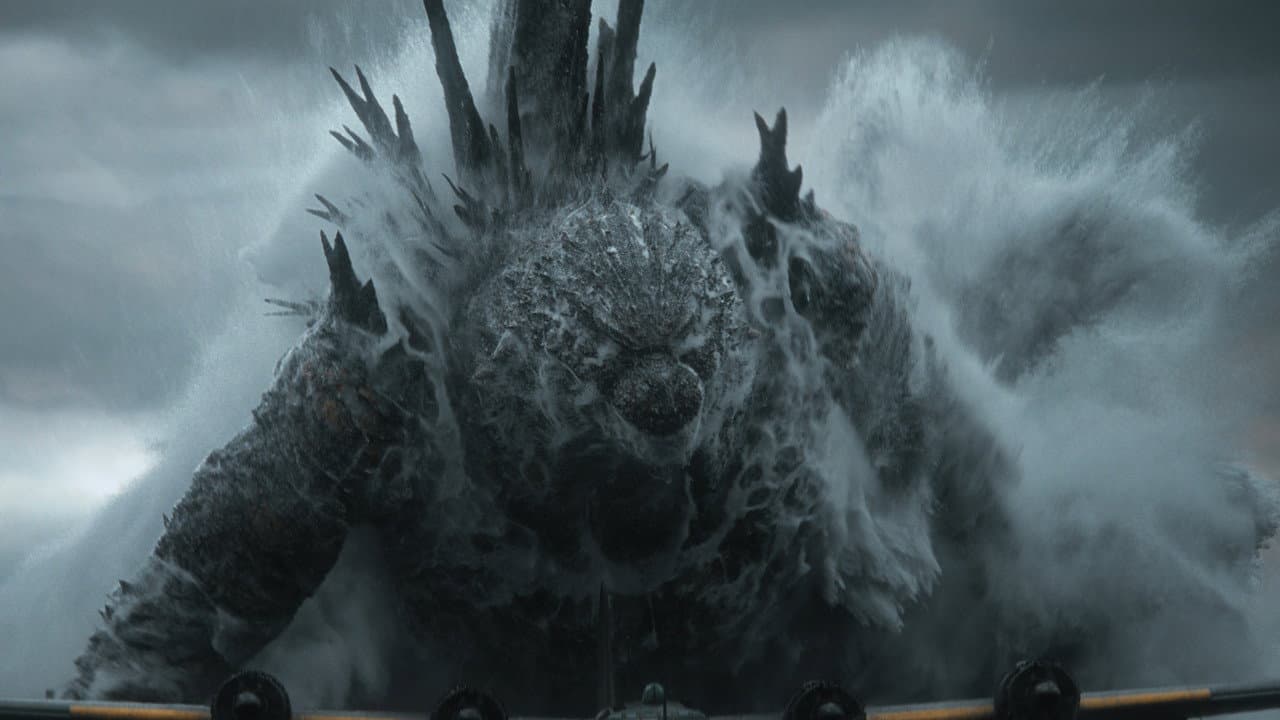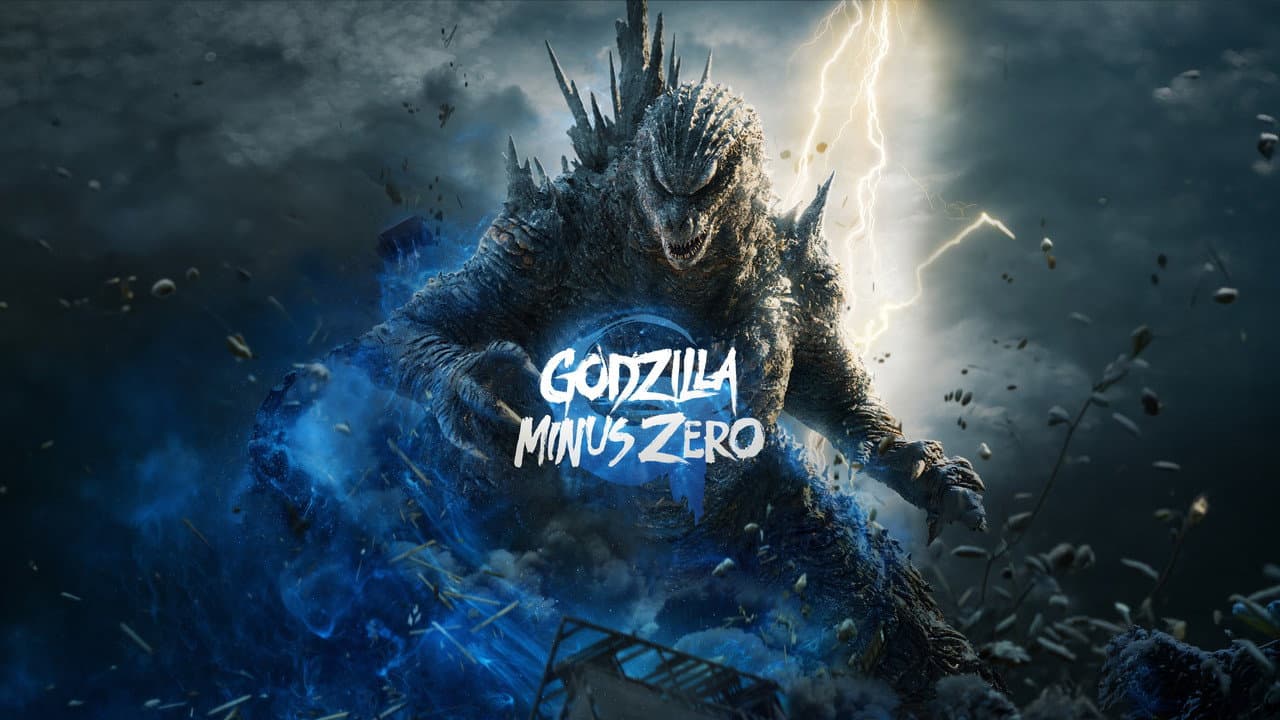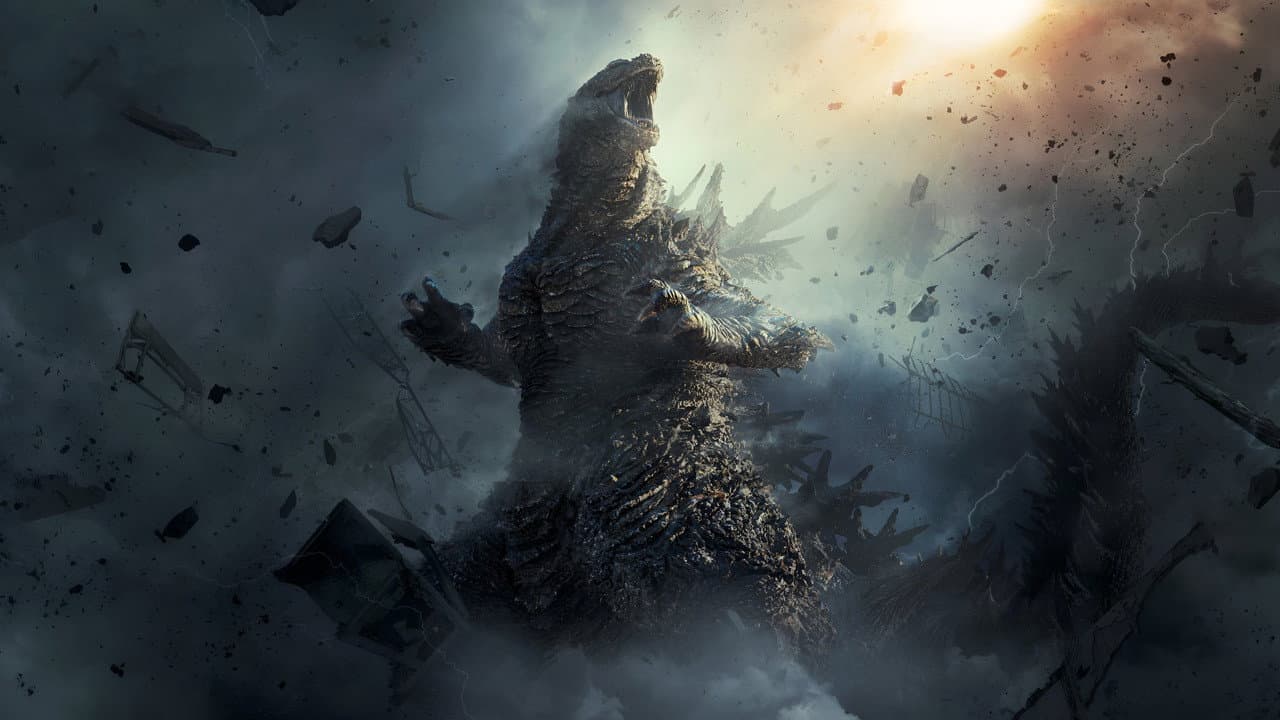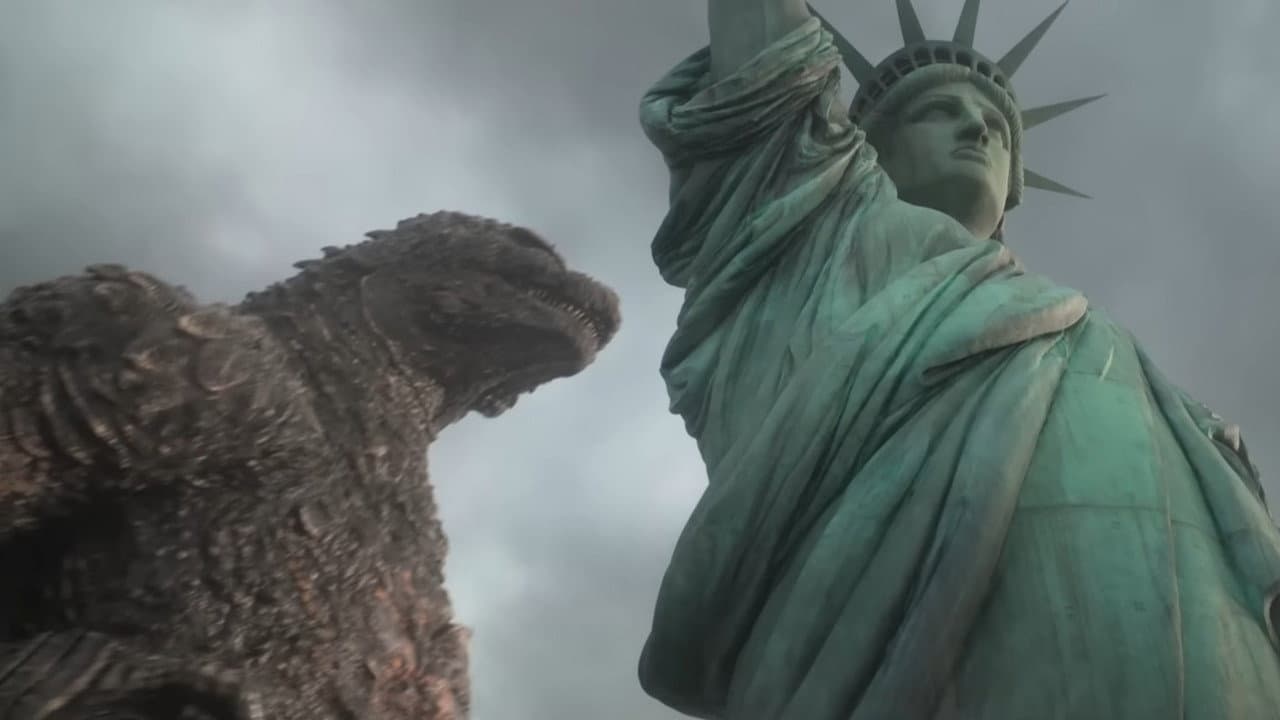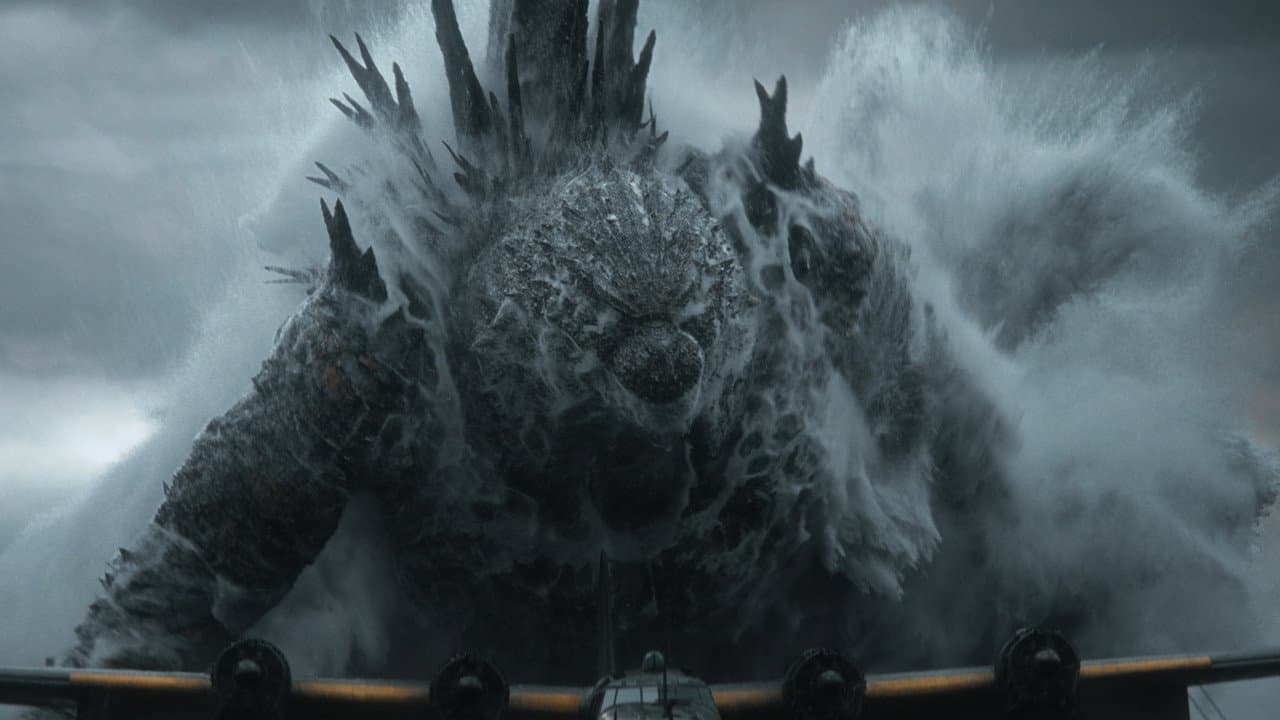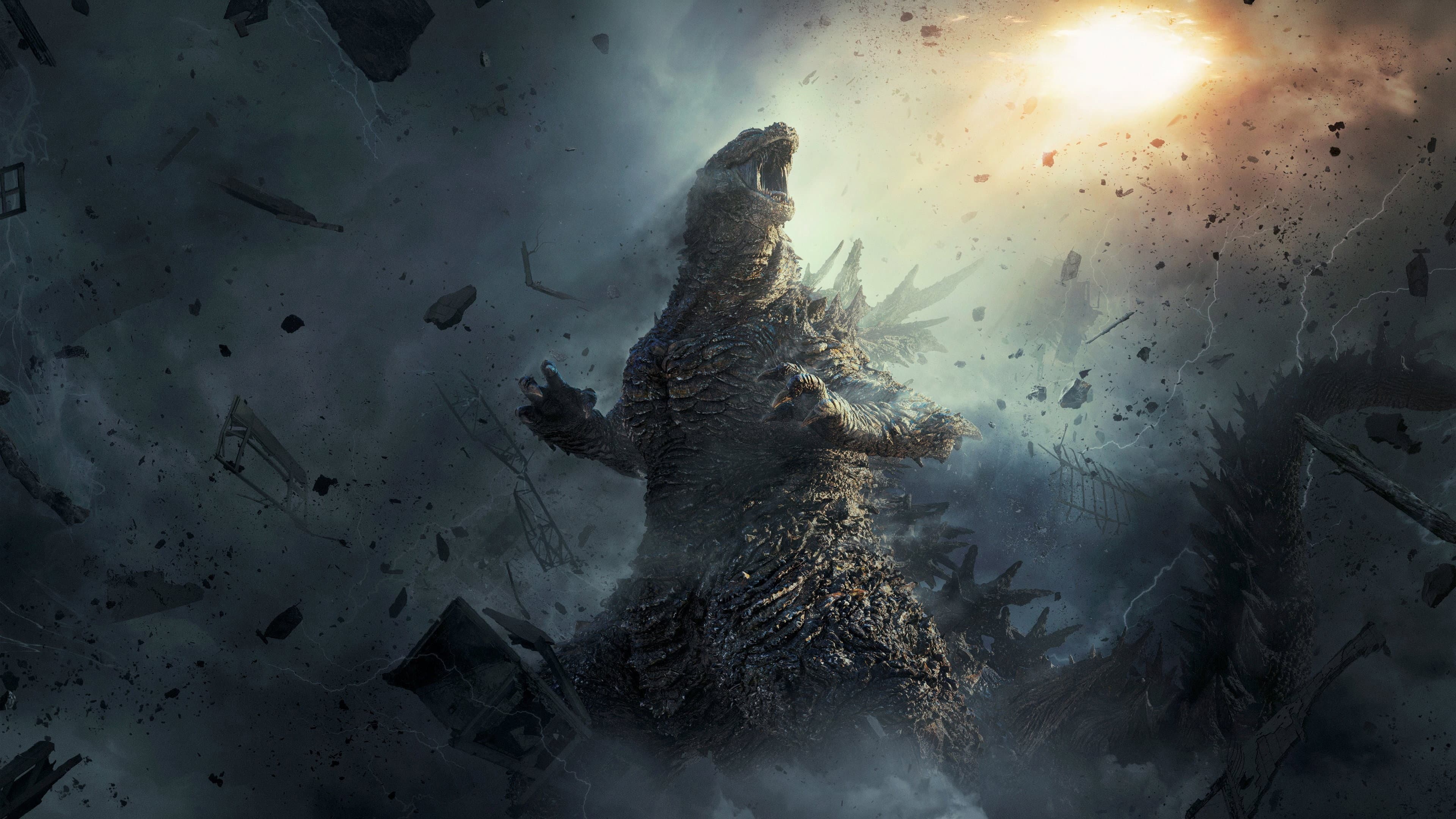
Two years after a kaiju tore Japan apart and left a nation scrabbling in the rubble, Takashi Yamazaki is back to ask a very uncomfortable question: what happens when you survive the worst thing imaginable, only to learn it was merely the opening act? Godzilla Minus Zero is the answer, and according to the early word, it is a full-throttle, nerve-shredding follow-up that refuses to let its characters - or its audience - take a single calm breath.
Set against a Japan that has clawed its way from total devastation toward something like normalcy, the film's premise is as brutal as its title. War had already reduced the country to zero. Then Godzilla pushed it into negative territory. Now, with recovery finally within reach and daily life tentatively restored, a fresh threat arrives to obliterate that hard-won peace in an instant. The sequel picks up the threads of a population that knows exactly how fragile hope can be - and then snaps them.
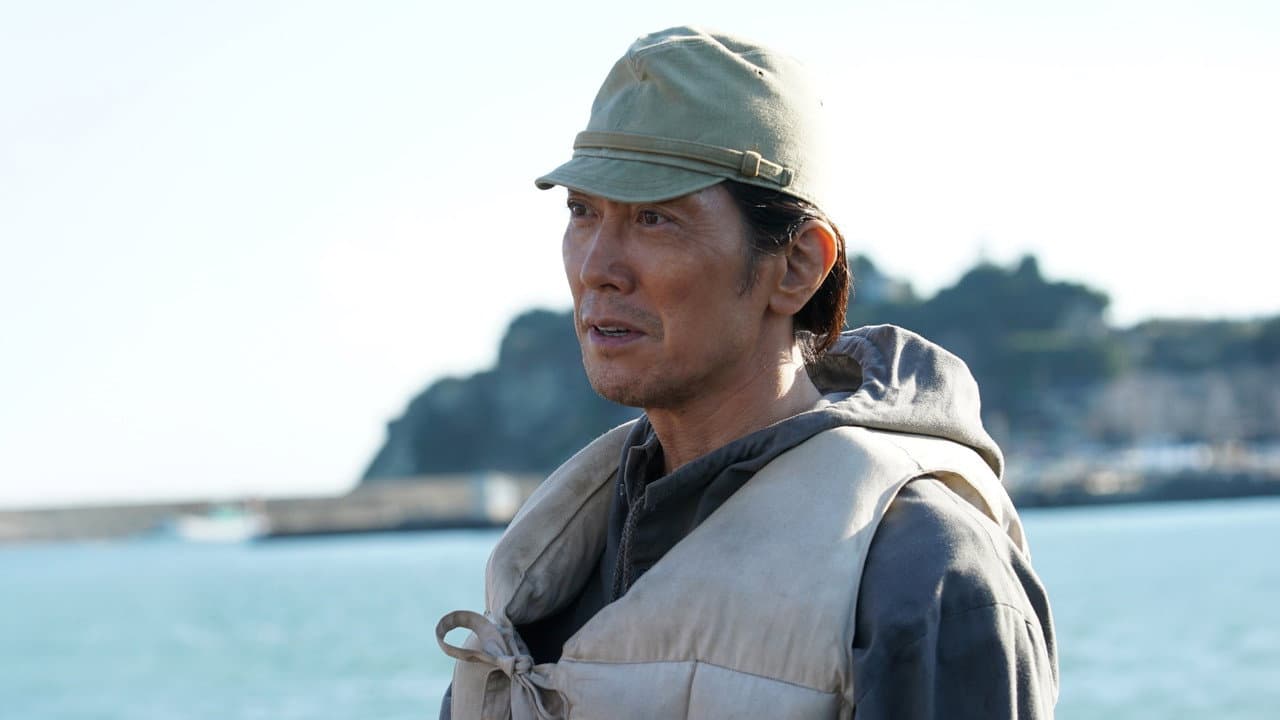
Ryunosuke Kamiki returns as Koichi Shikishima, the haunted pilot whose journey anchored the previous chapter, with Minami Hamabe back as Noriko Oishi. The supporting ensemble brings serious weight to the bench: Yuki Yamada as Shiro Mizushima, Kuranosuke Sasaki as Seiji Akitsu, Jun Kunimura, Miou Tanaka as Captain Tatsuo Hotta, Sakura Ando as Sumiko Ota, and Masami Nagasawa as Aoyama. It's a cast that gives Yamazaki plenty of emotional artillery to fire alongside the city-leveling spectacle.
A Director Who Understands the Assignment
Yamazaki isn't just directing here - he's shepherding a franchise revival that has become one of the most talked-about genre events in years. The original Minus One earned its praise by treating Godzilla not as a rubber-suited attraction but as a genuine horror engine, and by investing in human beings whose grief mattered more than the wreckage. The sequel's two-hour-fifteen-minute runtime suggests the filmmaker is once again taking his sweet time to build dread before unleashing chaos. That's a compliment.
What makes this franchise tick is its refusal to separate the monster mayhem from the human cost. The premise is almost unbearably cruel when you consider it: these characters end a war, suffer a titan, rebuild, and then get hit again. It's the nightmare logic of trauma - just when you think it's behind you, it returns wearing a bigger, meaner face. If the marketing materials and early reactions are any indication, the scale has been cranked up while the intimate character work remains intact.
Two Years of Peace, and Then the Sky Falls
The time skip is the smartest narrative card in the deck. Rather than picking up moments after the previous film's carnage, Minus Zero lets us see what recovery actually looks like: the small victories, the routines reestablished, the fragile agreement between a battered society and the future. That investment is precisely what raises the stakes. When the new threat arrives - and it will arrive, this is a Godzilla movie - audiences aren't just watching buildings fall. They're watching people lose something they fought tooth and nail to get back.
The genre cocktail here remains Science Fiction, Horror, and Action, and that blend matters. This isn't a superhero romp where the monster is a mascot. It's a disaster picture with teeth, and the horror label is earned. Yamazaki has demonstrated a knack for framing the creature as an unknowable force of nature - less a villain with motives than a catastrophe with a heartbeat.
Why This One Matters
Japanese-language kaiju cinema has been enjoying a remarkable moment on the global stage, and Minus Zero arrives positioned as a potential crown jewel of the revival. The November 3, 2026 release date plants it firmly in the thick of awards-season conversation, and a director with this much command of tone is exactly the kind of filmmaker who turns a monster sequel into something critics can't ignore. Whether it ultimately outperforms its predecessor at the box office or with reviewers remains to be seen - TMDb currently shows a 0/10 rating, which simply means the voting hasn't populated yet. No meaningful score exists until audiences actually weigh in.
For now, the pitch is refreshingly uncomplicated: Godzilla is back, Japan is not ready, and the filmmaking team clearly knows the difference between a creature feature and a creature-feature with a soul. As autumn turns toward its November bow, Godzilla Minus Zero looks poised to remind everyone why this monster has stomped through pop culture for seven decades - and why, with the right director at the helm, he can still make an entire audience hold its breath.
Source: The Hollywood Reporter