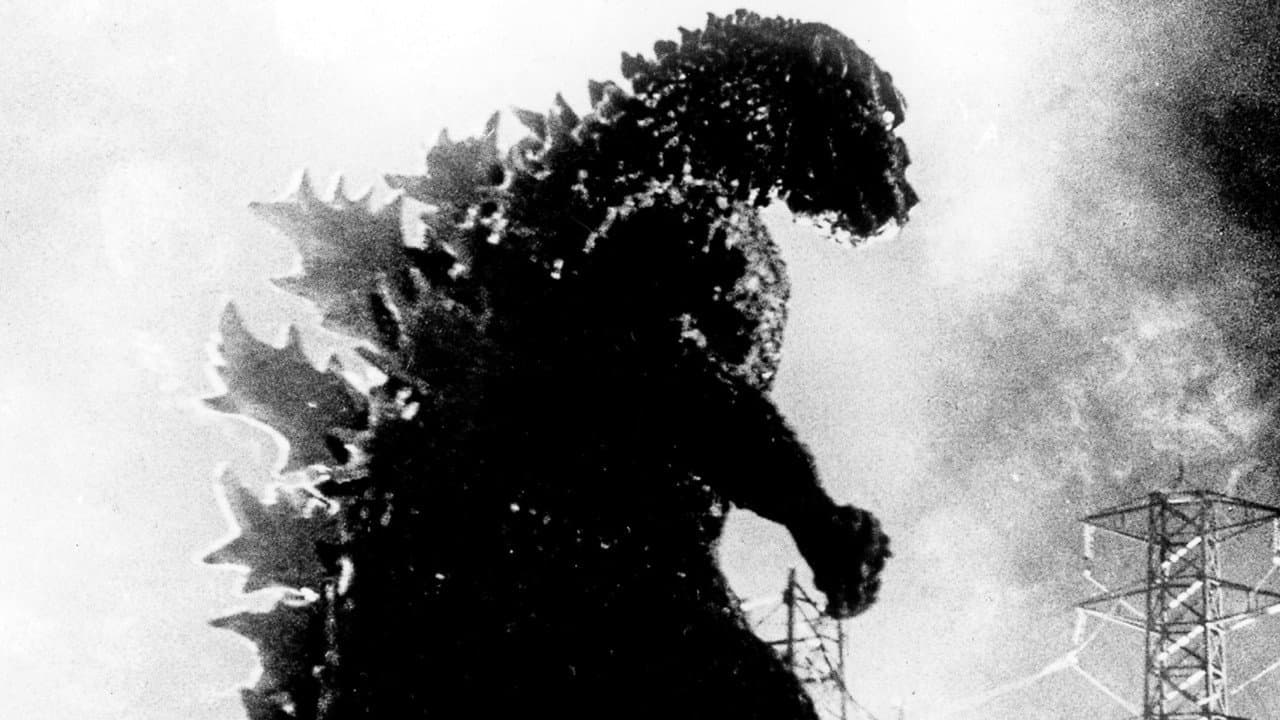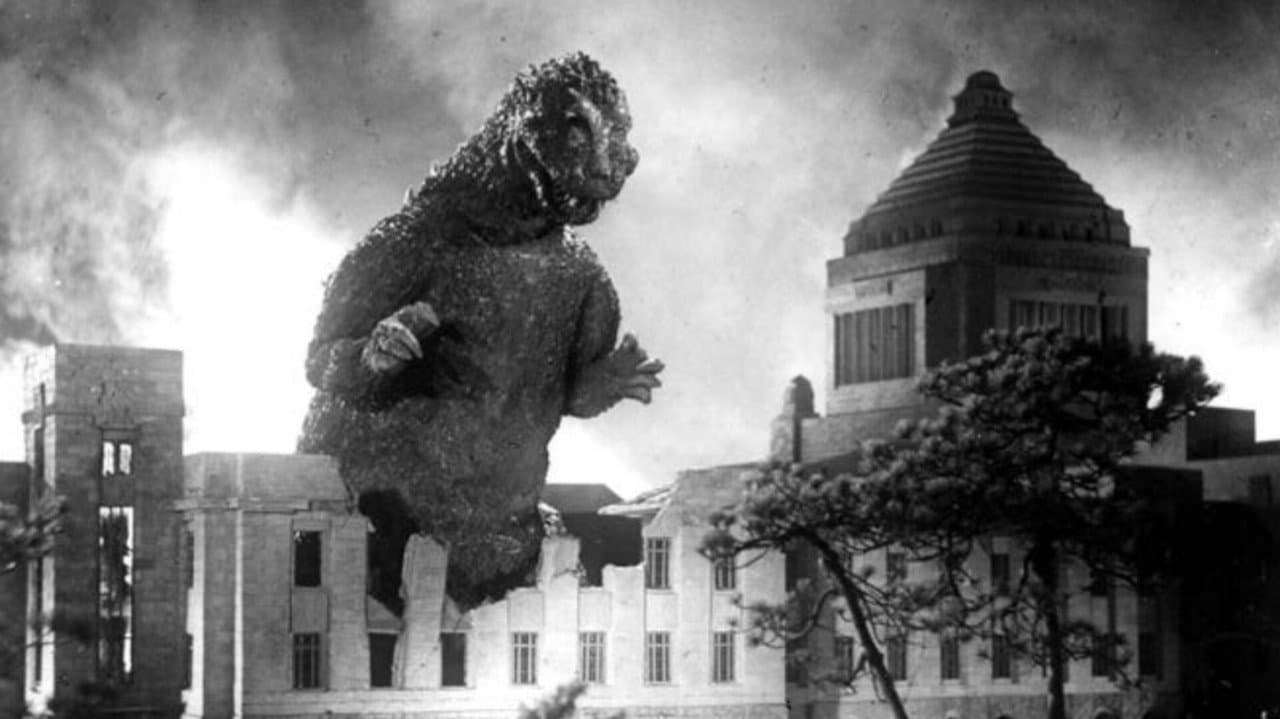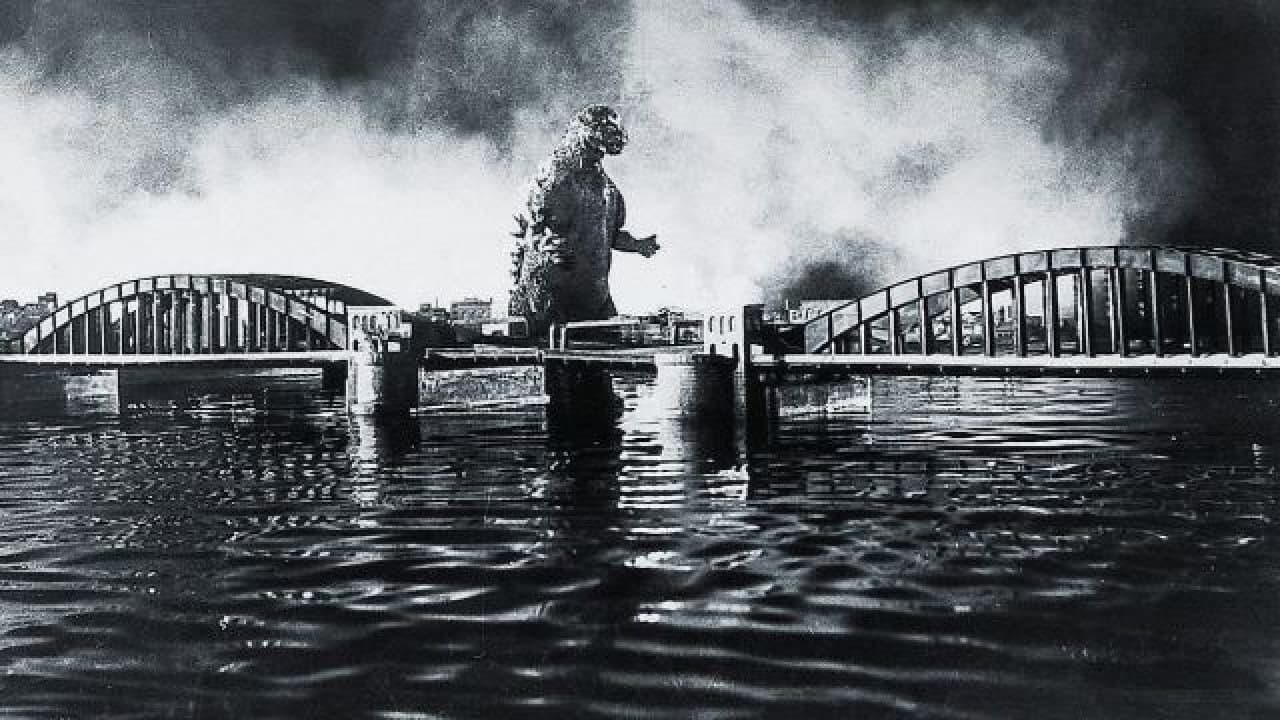
Seventy-two years after it first stomped into theaters, the original Godzilla is still showing modern Hollywood exactly how a monster movie ought to be built. Ishirō Honda's 1954 thriller landed in Japanese cinemas on November 3 of that year, and it remains the gold standard for a very specific balancing act: terrify the audience with a creature the size of an office block, then quietly break their hearts with what that creature actually means. Few blockbusters since have managed the trick so cleanly.
The setup is deceptively simple. Ships start sinking near Odo Island, panic spreads across Japan, and an expedition led by Dr. Kyohei Yamane goes looking for answers. What the team finds is far worse than anyone imagined - a fifty-meter-tall monster the islanders call Gojira, and a rampage that soon threatens not just Japan but the entire world. It's a premise that could fuel nothing more than a thrill ride. Honda's film aims considerably higher, and that's precisely why it still stings.
A Monster With a Message
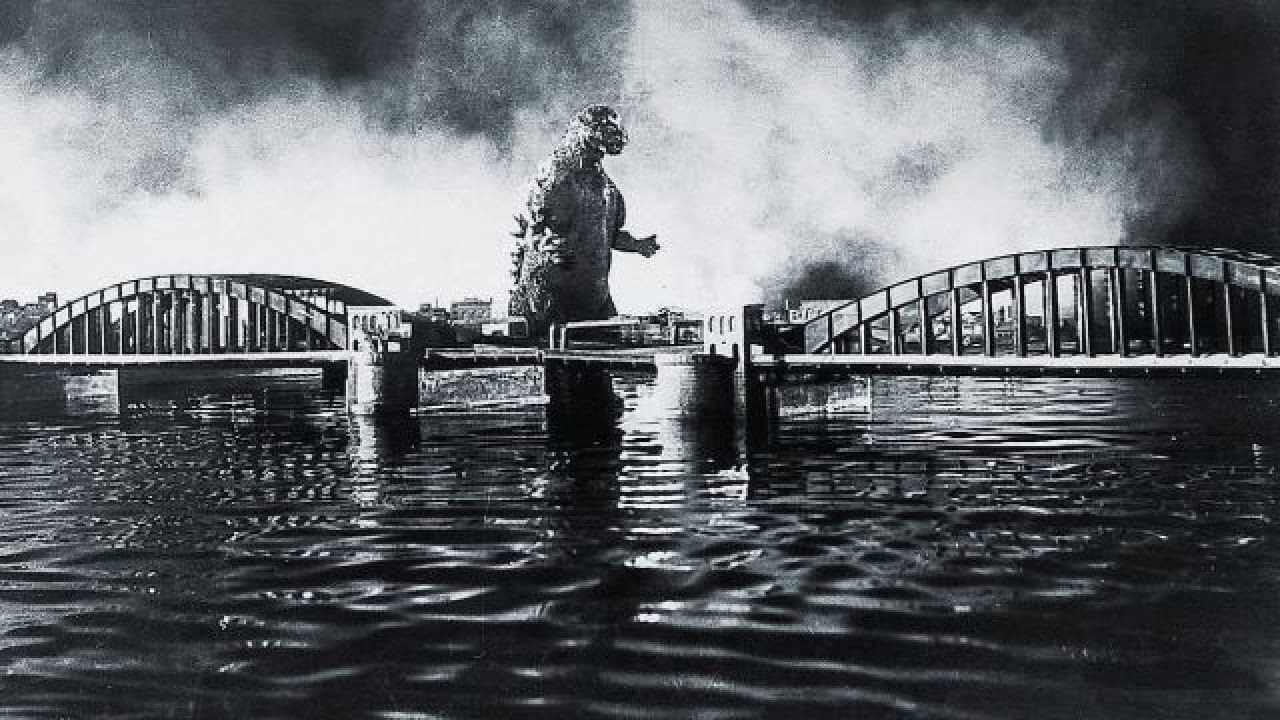
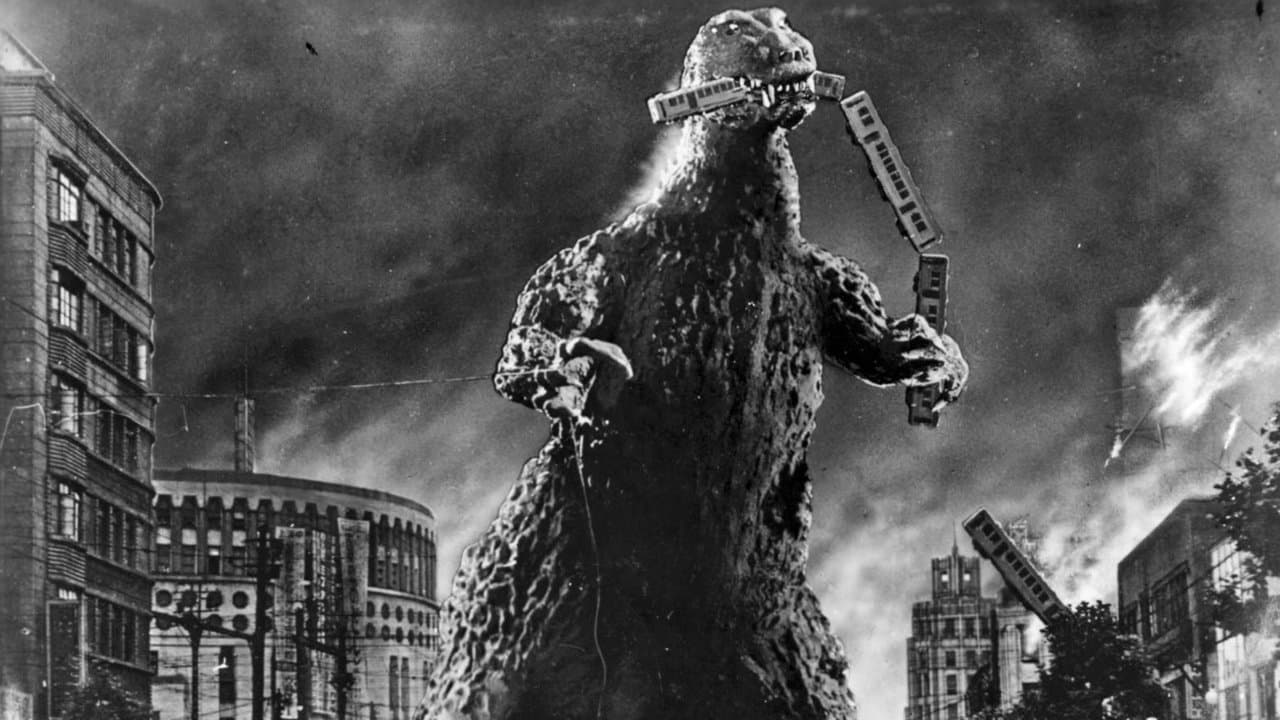
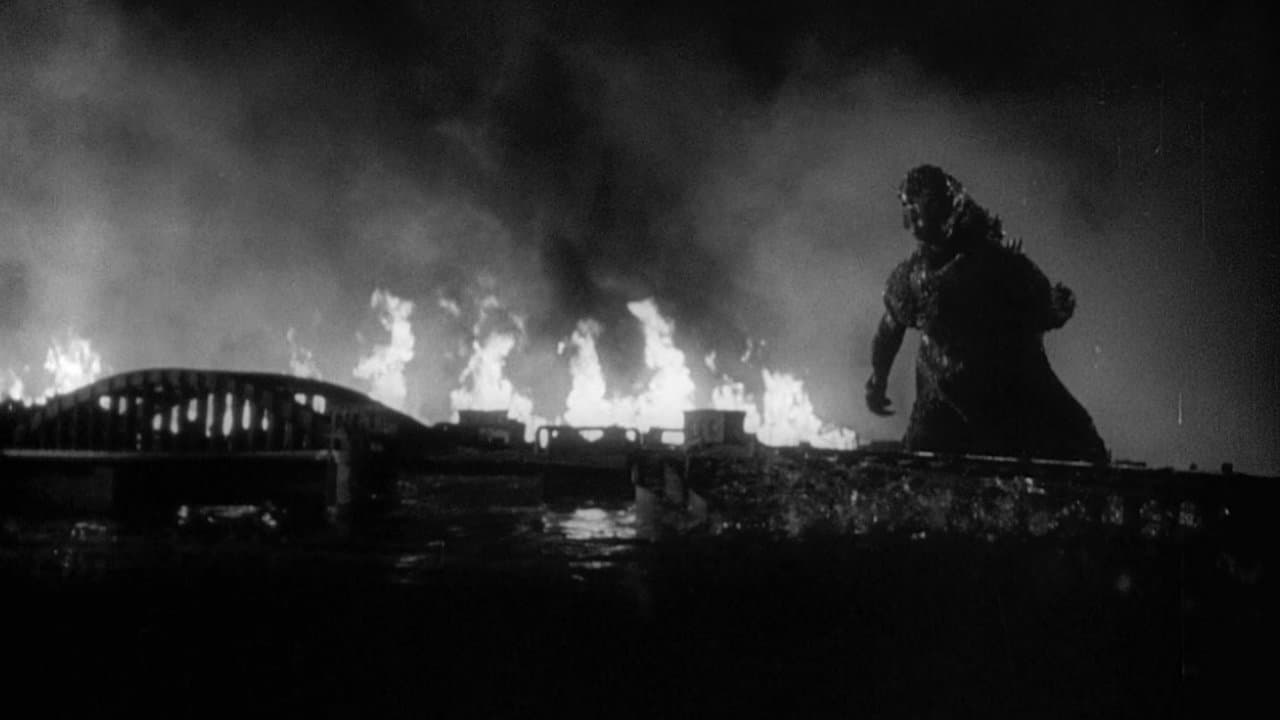
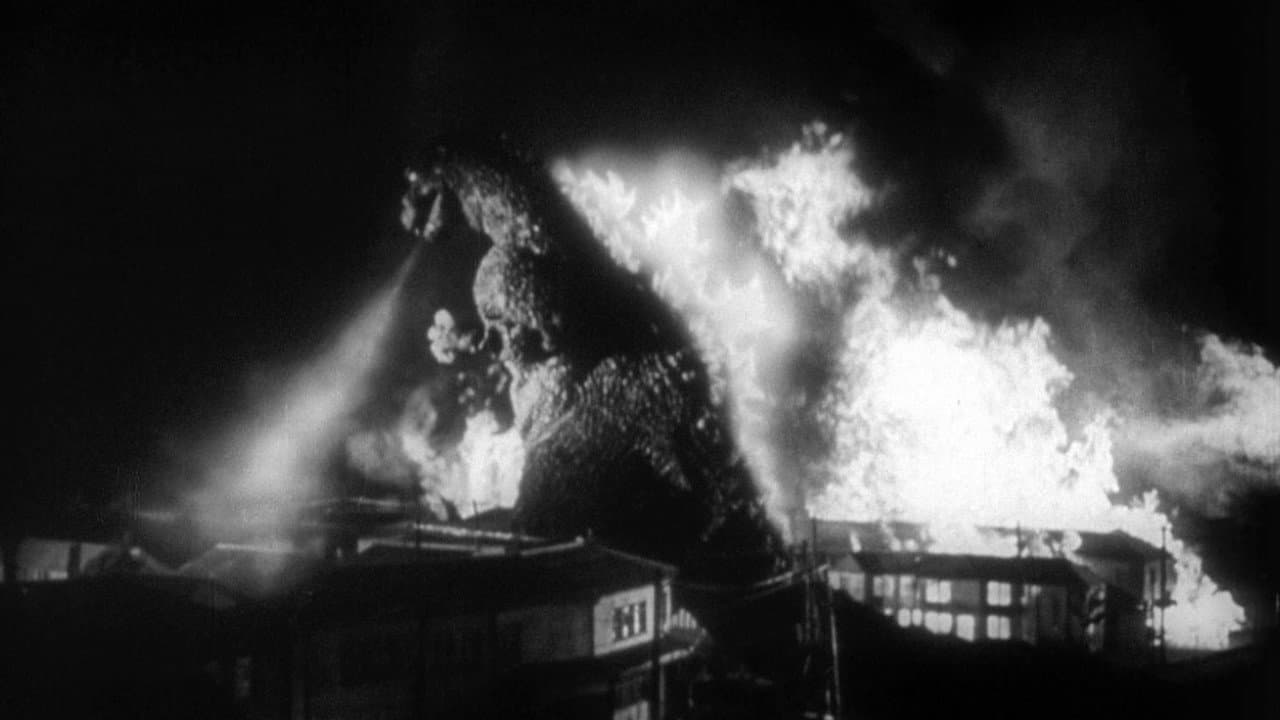
What separates this film from the parade of creature features that followed is its refusal to treat destruction as pure spectacle. The monster carries weight - literal and thematic - and the movie never lets viewers forget the human cost of every collapsed bridge and burning street. Watching it today, the horror registers less as jump-scare material and more as a sober meditation on what happens when humanity's worst impulses come home to roost.
That combination of pulsing dread and big-screen chaos is exactly what so many contemporary tentpoles fumble. Studios can spend nine figures on computer-generated mayhem and still forget to give audiences a reason to care. Godzilla needed ninety-six minutes total - barely more than the average trailer cycle for a modern franchise entry - to make viewers feel something genuine beneath the terror.
The genre labels attached to the film tell their own story: thriller, horror, science fiction, all bundled into one package. It's a reminder that "blockbuster" and "brainy" were never supposed to be opposites. Honda simply refused to pick a lane, and the result is a movie that works on both the pulse and the intellect without ever seeming to strain.
A Cast That Sells the Panic
None of that lands without the people on screen, and the ensemble here is stacked with performers who treat the material with total seriousness. Akira Takarada plays Hideto Ogata, Momoko Kôchi brings real emotional stakes as Emiko Yamane, and Akihiko Hirata gives the film one of its most memorable turns as Daisuke Serizawa. Takashi Shimura anchors the proceedings as Dr. Kyohei Yamane, the scientist whose curiosity and dread pull the audience through the mystery one grim discovery at a time. The supporting ranks - Fuyuki Murakami as Professor Tanabe, Sachio Sakai as Hagiwara, Toranosuke Ogawa as the President of Southern Seas Salvage, Ren Yamamoto as Masaji Yamada - round out a cast that never winks at the camera. Everybody plays it straight, and that sincerity is a huge part of why the film endures.
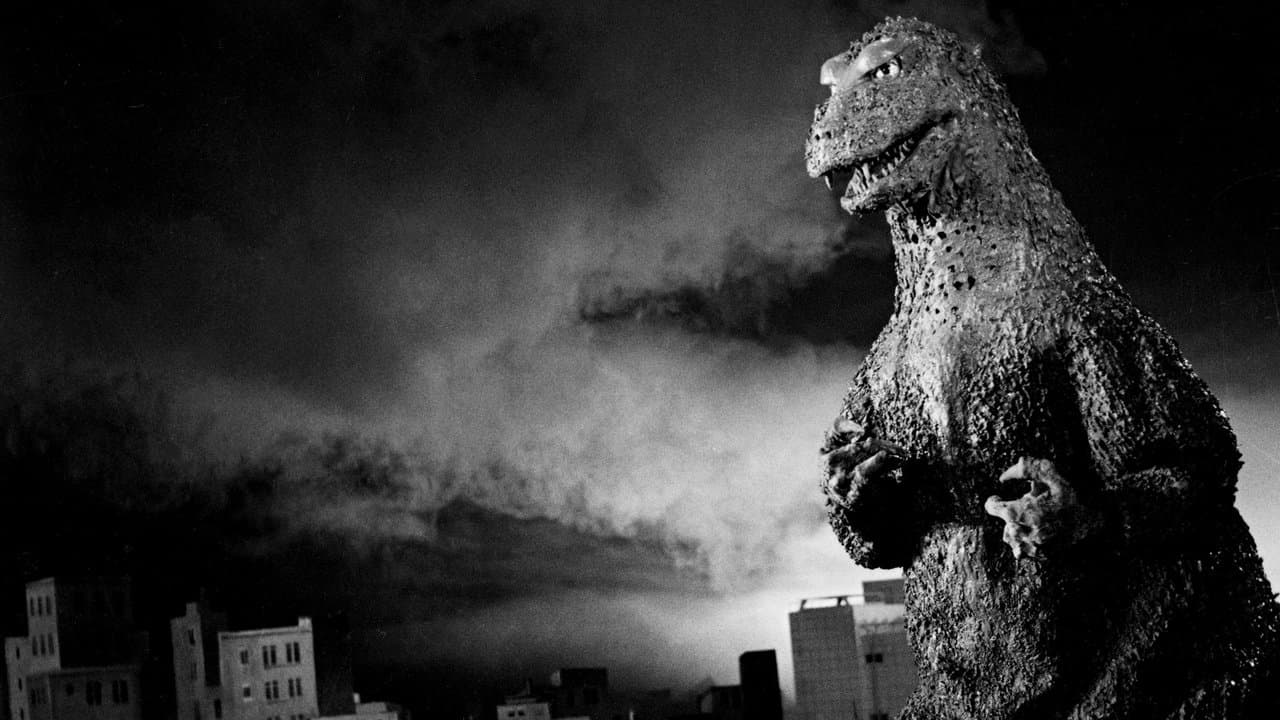
The craft behind the camera matches the commitment in front of it. Honda directs with a documentarian's eye for detail and a horror filmmaker's instinct for pacing, letting the tension coil before the monster finally arrives in full. For viewers raised on cutting-edge visual effects, the practical work here might look quaint at first glance - until you notice how much personality and menace it carries. There's a physical presence to this creature that pixels still struggle to replicate.
Why It Still Matters
The numbers back up the legacy. A rating of 7.627 out of 10 from the TMDb community puts the film in rarified air for a title released when Dwight Eisenhower was in the White House, and it's held that standing across generations of viewers who weren't remotely alive when it premiered. That kind of staying power doesn't come from nostalgia alone. It comes from a movie that understood, from its very first frame, that the best monster stories are really about us.
For Hollywood, the lesson is right there in a ninety-six-minute package. Audiences will absolutely show up for destruction on a massive scale - but they'll remember the film that gave them something to think about on the drive home. Honda proved it in 1954, and seven decades later, nobody has really improved on the formula.
Source: NEXT Magazine