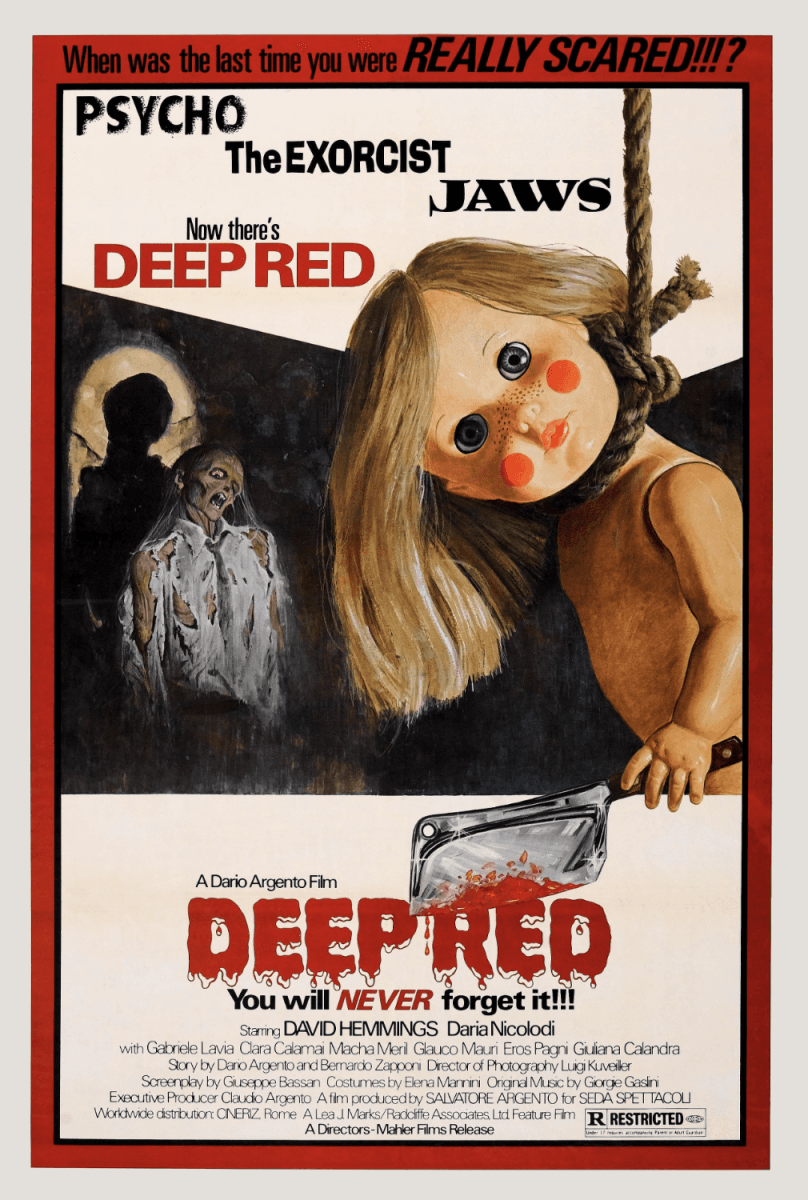
The giallo boom of the 1960s and '70s gave horror some of its most gorgeous bloodshed - and some of its most troubling gender politics. A new column making the rounds this week argues that Hollywood never really outgrew the Italian thriller formula it borrowed from decades ago. The through-line? Women on screen are still too often bodies first, characters second.
For the uninitiated, giallo takes its name from the yellow-jacketed pulp crime novels that flooded Italian newsstands in the mid-twentieth century. Directors like Mario Bava and Dario Argento turned those paperbacks into cinema: black-gloved killers, razor blades, J&B bottles, and plots that treated logic as optional. The films were stylish, sensual, and frequently brutal - and the brutality usually landed on women.
That's the uncomfortable heart of the column's argument. Giallo has been canonized as a cult treasure, celebrated by cinephiles and name-checked by filmmakers from Quentin Tarantino to Edgar Wright. But its signature move - the drawn-out, voyeuristic murder of a beautiful woman - didn't stay in Italy. It crossed the Atlantic, got a budget upgrade, and settled comfortably into American genre filmmaking.
The Slasher Connection Nobody Wants to Admit
Anyone who's watched a Friday the 13th sequel or a Halloween imitator knows the beats: the camera lingers, the synth score shrieks, the victim is young, female, and usually underdressed. That template was built on giallo's bones. Hollywood stripped away the baroque Italian surrealism and kept the leering. The column points out that this inheritance is often treated as harmless homage rather than a lineage worth interrogating.
And here's the kicker - the industry has spent decades insisting this is just "genre stuff." Critics get accused of overthinking when they note that the same imagery keeps recurring. The column pushes back on that dismissal, arguing that style and ideology were never separate things. Those films were beautiful on purpose. They were also cruel on purpose.
Sex, Death, and the Camera's Gaze
Giallo's greatest contradiction is that it was frequently made by people with genuine visual genius. Argento's use of color and geometry remains jaw-dropping. Bava could make a shadow terrifying with almost no money. The column doesn't ask anyone to throw those movies in the trash. Instead, it makes a smarter case: we can love the craft and still ask who the craft was pointed at.
The answer, more often than not, was women. Female characters in giallo exist to be stalked, undressed, and disposed of in creatively gruesome fashion. Even the genre's beloved "final girl" trope - the survivor who outlasts the killer - was born from this same equation, where a woman's worth is measured by how close she came to dying.
That math followed the genre into Hollywood, where remakes, reboots, and art-house homages keep recycling the aesthetic without much of the self-awareness.
Why This Conversation Is Happening Now
Horror is having another commercial moment, and with it comes another wave of retro-styled thrillers borrowing giallo's neon palette and synth soundtracks. The column is essentially a warning label attached to that trend: know what you're inheriting. The aesthetic comes with a worldview, and filmmakers who lift the lighting and the leather gloves are also lifting a long history of how the camera treats women.
The piece also takes a swing at the broader industry, noting that Hollywood has historically treated on-screen violence against women as a reliable audience pleaser while treating women's interior lives as a niche concern. Giallo just made the transaction more visible - it dressed up the exploitation in velvet and called it art.
None of this means cinephiles need to issue a public apology for their Blu-ray shelves. The column's point is less about boycotting the past and more about being honest regarding it. Great films can be great and still be evidence. The question worth asking isn't whether giallo influenced Hollywood - it obviously did - but whether Hollywood has ever genuinely reckoned with what it took.
Until that reckoning happens, expect the conversation to keep circling back. The black gloves keep fitting.
Source: The Pitt News