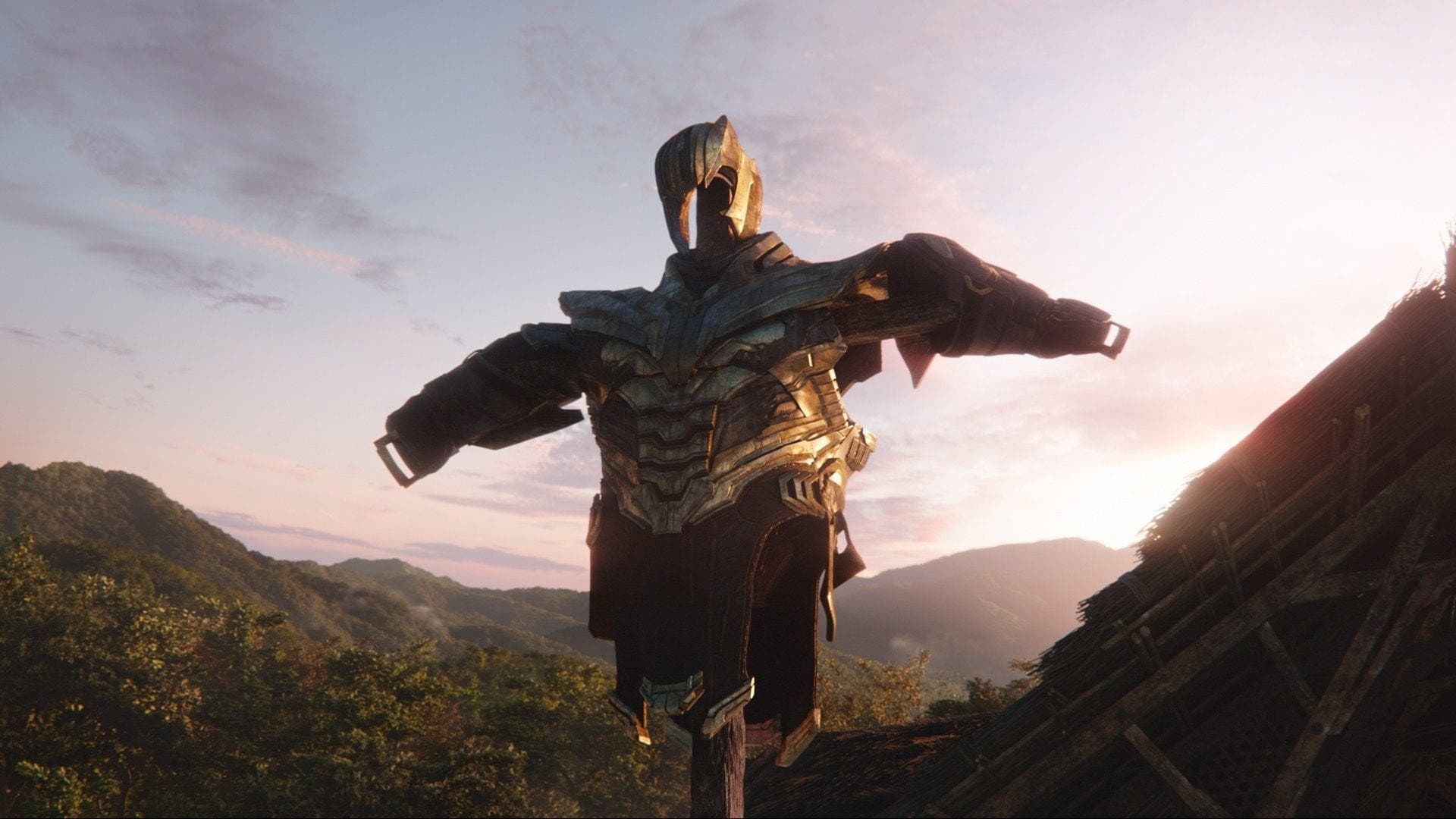
The superhero movie, once the most unstoppable force in Hollywood, is officially in a chrysalis phase. For well over a decade, the genre operated on a simple rule: build it big, make it interconnected, and watch the global box office explode. That era, defined by the massive crossover event Avengers: Endgame, has now given way to something far more uncertain, and far more interesting. We are watching the industry pivot from a model of endless serialized continuity to one that prioritizes standalone stories, legacy characters, and a more flexible approach to what a cape movie can even be. If Endgame was the grand finale of a decade-long experiment, then the upcoming Superman film is the clearest signal yet of a brand-new opening act.
For years, the playbook was simple: build to a team-up. Studios spent hundreds of millions on solo films that were less about individual character arcs and more about setting the table for a shared universe. The payoff was historic - audiences flocked to see their favorite heroes rub shoulders on screen, creating a cultural event out of every major release. But the sheer scale of that ambition eventually became its own burden. Maintaining a cohesive narrative across dozens of films and TV shows proved exhausting for even the most dedicated fans. Moviegoers began to feel homework creeping into their entertainment, and the anticipation that once fueled the genre started to curdle into fatigue.
The industry’s response has been a dramatic recalibration. Instead of promising an interconnected web of stories that demands total consumption, Hollywood is now betting on the power of singular, self-contained experiences. The shift is about telling a compelling story that stands on its own two feet, not one that hinges on a post-credits scene or a cameo from a character in another franchise. This isn't just a creative choice; it’s a survival strategy. With production costs soaring, studios need guaranteed hits, not just incremental building blocks. They’ve realized that a character’s inherent brand power - not just the promise of a future crossover - is often enough to draw a crowd.
Enter the new Superman. The film isn’t just another entry in a long-running saga; it’s intended as a foundational reset. It represents a desire to go back to first principles: the iconic hero, his core values, and his place in a world that is both awe-inspired and deeply skeptical of him. The creative mandate appears to be less about mimicking the snappy, quip-heavy tone that dominated the previous era and more about crafting a sincere, optimistic, and perhaps even a bit earnest story. It feels like a deliberate palate cleanser, a return to myth-making rather than universe-building. The film’s very existence suggests a belief that audiences are hungry for a simpler, more emotionally direct connection with these characters, free from the weight of a 20-film history.
What’s fascinating is how this reinvention is happening across the board. One major studio is essentially pressing the reset button, selectively rebooting its iconic properties with a focus on individual quality over shared-world cohesion. Meanwhile, the other big player is treating its massive catalog of characters with a "less is more" mentality, choosing to develop a handful of high-profile projects that aren't all shackled to the same overarching plot. The era of the guaranteed billion-dollar opener is gone; in its place is a more volatile, risk-taking landscape where creative directors and star power matter just as much as the intellectual property itself. We’re seeing a move toward auteurs and distinct visual styles - a stark contrast to the homogenous, color-graded look that defined many earlier productions.
This new approach is not without its own hazards. The lack of a safety-net narrative can make flops sting even harder. When a movie fails now, it doesn’t just hurt a single sequel; it can cast doubt on the entire viability of the character on screen for a generation. But there’s also an undeniable creative upside. Filmmakers are being given more breathing room to experiment with genre, tone, and even budget levels. We might see more mid-budget superhero films that lean into a directorial vision rather than a corporate one. The genre is shedding its formulaic skin, exposing all the weird, wonderful, and occasionally messy possibilities that were previously buried under the weight of franchise management.
Looking ahead, the fate of the superhero movie isn't tied to a single title's success, but to the industry's ability to adapt to a post-Endgame audience. The public’s appetite for spectacle isn't waning, but their tolerance for an overly complex mythology certainly might be. The challenge is to deliver the spectacle with a story that feels personal and immediate. It’s about making these gods and monsters feel relatable again, not just as pieces on a massive board but as characters with genuine emotional stakes. The shadow of Endgame will loom over every major release for years, not as a benchmark to be matched, but as a reminder of a past peak that can't be reclaimed by simply copying its tactics. The new era will be defined by those who can learn from that massive success while having the courage to move past it, proving that the genre's capacity for reinvention is its real superpower.
Source: IndulgExpress