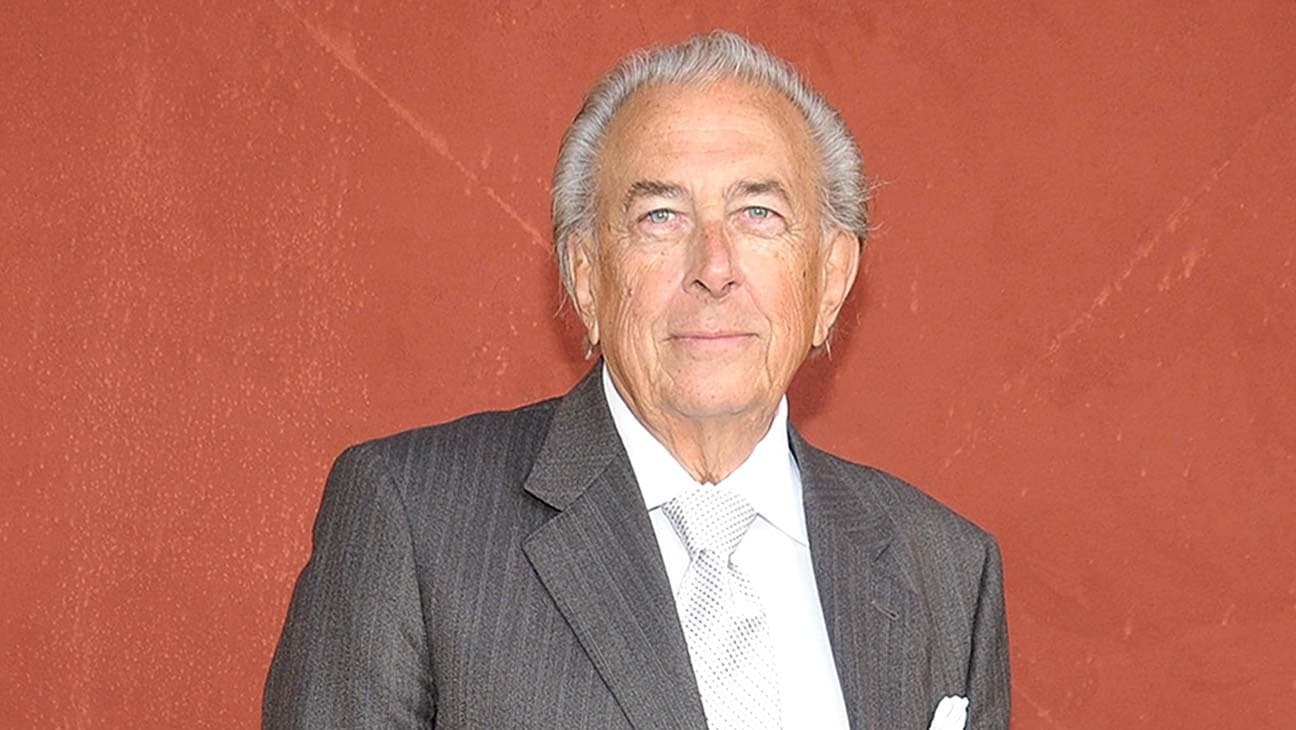
Frank Mancuso Sr., the studio chief who steered Paramount Pictures through one of the most commercially dominant runs in Hollywood history and later took the reins at MGM, has died at 93. The news was confirmed by his family, and tributes began pouring in from across the industry almost immediately - a testament to a man whose fingerprints are on roughly two decades of movies that basically defined what a blockbuster looked like.
Mancuso's story is a classic Hollywood ascent, the kind of arc that sounds made up until you remember it actually happened. He started out far from the corner office, working his way up through the exhibition and distribution side of the business before landing at Paramount, where he'd eventually climb all the way to the top. For a stretch of years from the early '80s into the early '90s, Paramount under Mancuso was less a studio than a printing press. The slate was absurd: Raiders of the Lost Ark, Beverly Hills Cop, Ghostbusters, Top Gun, Fatal Attraction, Coming to America, The Hunt for Red October. If you were alive and going to the movies in that era, you paid Mancuso's salary at least a dozen times over and didn't even know it.
The Man Who Sold You Your Childhood
What made Mancuso effective wasn't flash. He wasn't a quote machine or a tabloid fixture. He was, by most accounts, a marketing and distribution savant - a guy who understood that a great movie nobody knows about is just an expensive home video. He took over Paramount's marketing operation and turned it into a machine, then used that machine to launch franchises that are still being rebooted, sequelized, and milked today. When people talk about the '80s blockbuster as a cultural force, they're often describing a business strategy Mancuso helped architect.
He became chairman and CEO of Paramount in the mid-'80s after Barry Diller departed, and he held the top job into the early '90s. His tenure wasn't without turbulence - the studio had its share of expensive misfires and executive drama, because it's Hollywood and that's the rent you pay. But the hits so outweighed the misses that Paramount spent years as the envy of every other lot in town.
A Second Act at MGM
After leaving Paramount, Mancuso didn't retire to a beach. In the mid-'90s he took over MGM, stepping in at a moment when the legendary studio was wobbling financially and searching for stability. He served as chairman and CEO there for several years, trying to right a ship that had been listing for a while. MGM in that period was a famously tricky assignment - a storied name with a messy balance sheet and a library that everyone wanted a piece of. Mancuso gave it steady, seasoned leadership during a chaotic chapter.
His post-MGM life kept him close to the business rather than fully out of it. He remained a respected elder statesman figure, the kind of executive younger suits called for perspective - someone who'd actually run a studio in the era when a single opening weekend could reshape the entire industry's mood.
A Family Business
The Mancuso name stayed in Hollywood too. His son, Frank Mancuso Jr., became a prolific producer, shepherding the Friday the 13th sequels and a long list of other projects, meaning the family's influence on pop culture literally spans generations and genres. The elder Mancuso's legacy isn't one movie or one franchise - it's a philosophy: that marketing and distribution are creative acts, that a studio's job is to get big swings in front of as many eyeballs as humanly possible, and that consistency behind the scenes is what lets magic happen in front of the camera.
He leaves behind a filmography-as-résumé that most executives would trade a limb for, and a reputation as one of the last of a certain breed: the studio lifer who rose through the ranks, knew the business from the mailroom on up, and delivered the goods without needing his name in the lights.
Details on survivors and memorial arrangements are expected to be shared by the family in the coming days. For now, Hollywood is remembering a man who, for a solid decade, decided what most of the planet watched on a Friday night - and was very, very good at it.
Source: The Hollywood Reporter