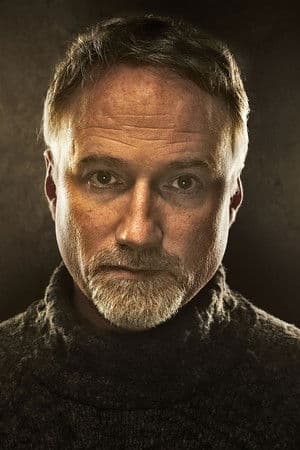
David Fincher is officially going back to 1969, and now we finally know what to call the trip. The acclaimed director, best known for Fight Club and a whole lot of other beautifully dark corners of cinema, has locked in the title for his long-rumored sequel to Quentin Tarantino's Once Upon a Time in Hollywood. With the release date creeping closer, the mystery around the project is finally starting to crack open, and the news has the pop-culture world buzzing like a drive-in speaker at full volume.
The confirmation landed this week, putting an end to months of speculation and fan theories that ran the gamut from clever to completely unhinged. While plot details remain tightly under wraps - Fincher isn't exactly known for handing out spoilers over breakfast - the title itself carries a weight that feels distinctly Tarantino-esque, filtered through Fincher's own meticulous, obsessive lens. It's a pairing that still feels surreal on paper: the guy who gave us the grimy, clockwork precision of Se7en taking on the sun-soaked, shaggy-dog nostalgia of Tarantino's love letter to a dying era of Hollywood. But that contrast is precisely why the sequel has become one of the most talked-about projects in recent memory.
For those who need a quick refresher: Once Upon a Time in Hollywood dropped in 2019, and it was Tarantino at his most wistful and weirdly warm. It followed Rick Dalton, a fading TV cowboy played by Leonardo DiCaprio, and his best pal and stunt double Cliff Booth, brought to life by Brad Pitt in an Oscar-winning turn. The film meandered through the final days of the Manson Family's shadow over Los Angeles, rewriting history with a feel-good spray of violence that only Tarantino could sell. It was a hangout movie with a body count, a tribute to a town that was about to lose its innocence, and it ended with Rick and Cliff walking off into a future that, in real life, never quite happened. That ending, of course, left the door wide open for more story, and Fincher has apparently decided to walk right through it.
The title reveal comes as the production ramps up, with Fincher reportedly treating this as a passion project that he's been quietly developing for years. There's a certain irony in a director who built his reputation on icy thrillers and psychological head games stepping into the sandals of Tarantino's hero-worshipping Hollywood. But Fincher has always had a sharp eye for the rot beneath the surface, and the late-60s Hollywood of Tarantino's imagining was plenty rotten - just painted in brighter colors. A sequel under Fincher's direction could lean into the darker alleys that Tarantino chose to only glance at, trading the hazy golden hour for something more clinical and cold. That's not a criticism; that's just what happens when you hand the keys of a classic car to a different driver.
As for the cast, the official word is still thin. DiCaprio and Pitt haven't been confirmed as returning, but it's hard to imagine a sequel without them, and the title tease suggests the story will pick up not long after the original's finale. Fincher has a history of coaxing career-best work out of actors, so the prospect of him getting his hands on Dalton and Booth - if they do return - is genuinely mouth-watering. Would Rick still be chasing that movie-star glory? Would Cliff still be fixing pools and cracking heads? The questions pile up fast, and the lack of answers only fuels the fire.
What we do know is that the release date is approaching, which means marketing will likely kick into gear soon. Trailers, teasers, maybe even a poster that gives away more than it should - Fincher is a control freak when it comes to his imagery, so whatever drops will be carefully curated to set the tone. Expect a visual language that nods to the original's Technicolor splendor but with Fincher's signature shadows creeping in at the edges. The man has never made a movie that looks lazy, and this one will be no exception.
The bigger question, of course, is how this fits into the larger Tarantino universe. Tarantino himself isn't directing this one, which is a first for any continuation of his work. He's said he'll only make ten films, and he's counting down, so handing the keys to Fincher was likely the only way this story ever got told. It's a fascinating experiment: one auteur's world filtered through another's sensibilities, with the original creator presumably hovering in the background like a proud, slightly nervous parent. Whether it works will be debated in real time on opening weekend, but the buzz is already electric.
For now, fans are left to chew on the title, dissect every frame of any promotional material that surfaces, and speculate wildly about who shows up and who doesn't. Fincher doesn't make movies quickly, but he makes them count, and the fact that this one is already moving toward a release date means he's locked in. The sequel to Once Upon a Time in Hollywood is real, it has a name, and it's coming. The only mystery left is whether it will feel like a love letter, a cautionary tale, or something else entirely - knowing Fincher, it might be all three at once.
Source: Radio Times