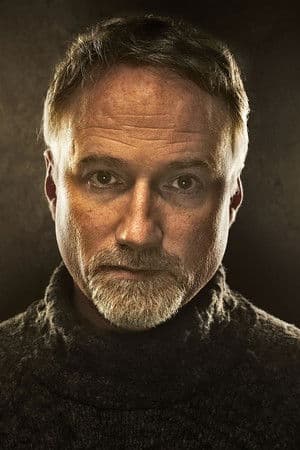
David Fincher has never been the type to bite his tongue, and this week he's proving it twice over. The director behind Fight Club, Zodiac and The Social Network revealed that Amazon's The Lord of the Rings: The Rings of Power came knocking at his door - and he politely showed it the exit. In the same breath, he took a flamethrower to DC Studios, branding the operation "dysfunctional." For a filmmaker who typically lets the work do the talking, that's a whole lot of talking.
The revelations surfaced in a wide-ranging conversation that has the industry buzzing, not least because Fincher is famously selective about what he says yes to. Turns out the epic fantasy gig just wasn't his speed.
The One Ring He Let Roll Away
According to Fincher, the Rings of Power offer came his way before the series became one of the most expensive television endeavors ever mounted. His reasoning for passing? Simple enough: the material didn't speak to him.
As he put it, he told the suitors plainly that he wasn't the right fit for the job. He explained that he didn't feel a connection to the source material in the way the project demanded, and rather than fake enthusiasm for a franchise he couldn't fully embrace, he stepped aside. It's a refreshingly honest stance in an era when directors routinely sign onto tentpoles they seem ambivalent about at best.
Fincher's relationship with big-budget machinery has always been complicated. He's flirted with enormous properties before - most famously his long-gestating take on World War Z's sequel, which never came together - and he's spoken candidly about the frustrations of studio-scale filmmaking. His instincts lean toward precision and control, qualities that don't always mesh with the committee-driven nature of a multi-season fantasy epic. Walking away from Middle-earth, in hindsight, looks less like a missed opportunity and more like self-preservation.
And let's be real: Fincher tackling elves and orcs was always a fun thought experiment, but the tone of his filmography - cold, clinical, morally murky - never quite squared with the earnest sweep of Tolkien. The guy who made Se7en probably wasn't itching to spend years in a lush fantasy wonderland.
DC Studios Gets the Blunt Treatment
If the Rings of Power revelation was a raised eyebrow, the DC comments were a full spit-take. Fincher described DC Studios in remarkably unflattering terms, calling the operation "dysfunctional" - a word that lands with extra sting given the corporate reshuffling and creative pivots the comic-book giant has endured in recent years.
He didn't dress it up. Fincher characterized the studio's internal workings as chaotic and suggested that the environment isn't one where a filmmaker of his temperament could thrive. Anyone who's followed DC's behind-the-scenes turbulence - the leadership changes, the abandoned storylines, the shifting release strategies - will recognize the diagnosis. Fincher is simply saying out loud what plenty of Hollywood insiders have muttered for years.
The irony is thick. Fincher was, at one point, attached to direct a project in the DC orbit when he was developing a take on the World War Z sequel - wait, no, let's keep our zombie apocalypses and capes straight. The real irony is that DC has spent much of the past decade courting auteur directors and then struggling to keep them happy. Fincher's verdict suggests the marriage remains rocky.
A Director Who Keeps His Cards Close - Until He Doesn't
What makes this moment so delicious is how rare it is. Fincher is not a habitual headline-grabber; he's a craftsman who prefers to let a finished film absorb the scrutiny. When he does open up, though, he tends to do it with surgical precision. Calling a studio "dysfunctional" isn't a throwaway jab - it's a considered verdict from someone who has seen how the sausage gets made and decided he'd rather not eat it.
His track record backs up the pickiness. Fincher has spent his career zigzagging between prestige dramas, psychological thrillers and the occasional foray into television - House of Cards and Mindhunter both bore his unmistakable stamp. He's also been candid about the economics of modern filmmaking, noting that the kinds of mid-budget, adult-oriented movies he once thrived on have become an endangered species. In that context, turning down a giant fantasy franchise and publicly skewering a superhero studio reads less like sour grapes and more like a man who knows exactly what he wants - and, more importantly, what he doesn't.
Whether his DC critique prompts any response from the studio remains to be seen. Historically, these comments tend to generate a brief news cycle and then fade. But Fincher's words carry weight precisely because he isn't a serial complainer. When he says a place is dysfunctional, people listen.
For fans, the takeaway is bittersweet. No Fincher-helmed trip to Middle-earth, no Fincher-shaped stamp on the DC universe. But the director's willingness to speak his mind - and to protect his own creative process - is its own kind of entertainment. In an industry where everyone plays nice until the contracts are signed, a little unfiltered honesty from one of cinema's sharpest minds is worth savoring.
Source: The Hollywood Reporter