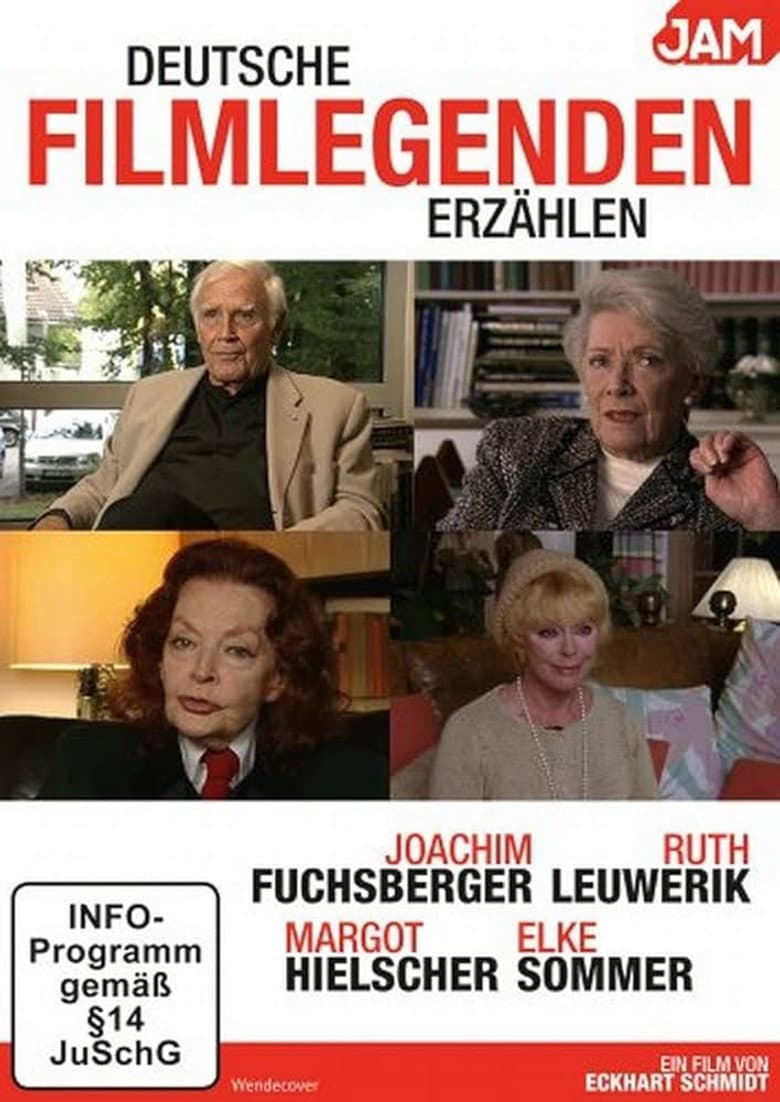
Elke Sommer, the German-born actress who brought a mix of glamour, wit, and irresistible comic timing to 1960s Hollywood, has died at 85. Sommer passed away peacefully, leaving behind a career that bounced from Oscar-winning comedies to stylish thrillers and everything in between. To audiences of a certain era, she was the blonde bombshell with a twinkle in her eye - the kind of screen presence that could hold her own opposite Peter Sellers one minute and Paul Newman the next.
Sommer's story is a classic Hollywood fairy tale, albeit one with a European twist. Born Elke Schletz in Berlin in 1940, she grew up in a world far removed from the Hollywood Hills. Her father was a Lutheran pastor, and the family moved to the small town of Herzogenaurach when she was a child. She studied languages and art history, and it was a trip to Italy that changed everything. While visiting Rome, she was spotted by a talent scout, and by 1959, she had won a Golden Globe for New Faces - a prize that opened the door to American film.
That door led straight to some of the most memorable comedies of the decade. In 1964, she starred opposite Peter Sellers in A Shot in the Dark, the second installment in the Pink Panther series. Sommer played Maria Gambrelli, the maid accused of murder who becomes the object of Inspector Clouseau's bumbling affection. Her performance required a delicate balance of comic timing and genuine warmth, and she nailed it. The film's famous nudist colony sequence alone - where a flustered Clouseau tries to maintain his dignity while surrounded by naked sunbathers - remains a masterclass in absurdity, and Sommer's Maria was the calm at the center of that particular storm.
The same year, she appeared in The Prize, a Cold War thriller starring Paul Newman. Sommer played Inger Lisa Andersson, the mysterious secretary who may or may not be a spy. The film cast her as a femme fatale with a twist, and she held her own against Newman's charm with a cool, Scandinavian-tinged elegance. It was a role that showcased her range beyond comedy, proving she could handle suspense with the same ease she brought to wit.
But if you only remember Sommer for her comedic and dramatic chops, you're missing half the picture. She was also a regular guest on the variety show circuit, popping up on everything from The Dean Martin Show to The Danny Kaye Show. She had a surprisingly good singing voice, releasing several albums in Europe, and she even posed for Playboy in 1964, becoming one of the first mainstream stars to do so. She was, in many ways, a proto-multihyphenate - an actress, a singer, a model, and a pop-culture fixture who never took herself too seriously.
Sommer worked constantly through the 1960s and '70s, appearing in films like The Wrecking Crew (the Matt Helm spy spoof with Dean Martin), The Money Jungle, and a string of European productions that kept her busy on both sides of the Atlantic. She was never an Oscar nominee, and she never became a megastar in the way some of her contemporaries did, but that almost seems like the point. Sommer was the kind of actress who made everything around her better - a reliable, magnetic presence who could anchor a scene without stealing it. She was the glue in a lot of movies that might have fallen apart without her.
In later years, Sommer didn't slow down. She continued to act in television and occasional films, and she became a familiar face on the European talk-show circuit. She also dedicated time to painting - a passion she'd nurtured since her art-history days - and her work was exhibited in galleries across Europe. She never quite lost that Berlin accent, and she never lost the sense of humor that had made her such a joy to watch.
Sommer is survived by her family and a legacy of films that continue to entertain audiences decades later. For a generation of movie lovers, she'll always be Maria Gambrelli, flustered and charming, caught in the middle of a comic chaos she never quite understood. And that's a pretty wonderful way to be remembered.
She was 85.
Source: The Hollywood Reporter