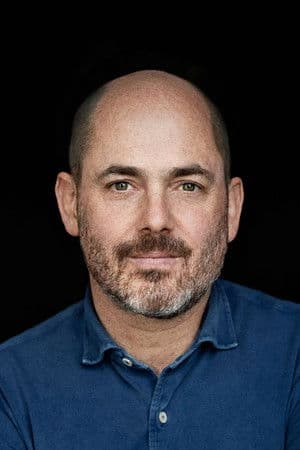
Edward Berger has never been the type to bite his tongue about where cinema is headed, and his latest comments on the streaming wars are proof positive. The filmmaker behind All Quiet on the Western Front pulled no punches while discussing the state of the movie business, arguing that the industry's old guard was caught napping while Netflix was busy rewriting the rulebook. His verdict? Hollywood needed the disruption.
Berger's take lands at a moment when the line between theatrical releases and streaming premieres feels blurrier than ever. Directors, producers, and studio chiefs have spent years bickering over windowing, box office returns, and whether a movie even counts as a movie if it debuts in your living room. Berger, for his part, seems less interested in picking sides and more interested in pointing out that the traditional establishment got complacent - and that a little bit of pressure from the newcomers was exactly the kick in the pants it deserved.
The Wake-Up Call Nobody Ordered
There's a certain irony in a filmmaker with Berger's pedigree making this argument. He's a director who clearly treasures the big-screen experience, the kind of craftsman whose work begs to be seen in a darkened theater with the sound turned all the way up. So when he says the industry needed a jolt, it doesn't read as a defense of streaming at the expense of cinemas. It reads more like a veteran observer admitting that competition has a funny way of making everyone raise their game.
And honestly, he's got a point. For years, studios coasted on sequels, reboots, and the safe bet of a familiar franchise. Then streaming platforms showed up with deep pockets, a willingness to gamble on oddball projects, and a global audience that didn't care about opening weekends. Suddenly, the old playbook looked less like gospel and more like a rut. The fear of losing talent and eyeballs to the streamers forced traditional studios to rethink what they were making and who they were making it for.
What This Means for Filmmakers Like Berger
For directors working today, the streaming era has been a double-edged sword. On one hand, platforms have greenlit passion projects that no traditional studio would have touched with a ten-foot pole. On the other, the theatrical experience - that communal magic of sitting in a room full of strangers and gasping at the same moment - has taken a hit. Berger's comments suggest he sees the value in both worlds, even if he's not thrilled about every side effect of the transition.
His own career is a handy case study. All Quiet on the Western Front became a genuine phenomenon, racking up awards attention and introducing him to a massive global audience. That kind of reach simply wasn't possible in the pre-streaming era for a film of its scale and subject matter. The irony isn't lost on anyone: the same technology that keeps some filmmakers up at night is the reason many of them get to make the movies they want at all.
The Bigger Picture
Berger isn't the first filmmaker to weigh in on this debate, and he certainly won't be the last. Martin Scorsese has famously wrestled with what streaming means for cinema. Christopher Nolan has been a fierce defender of the theatrical window. What makes Berger's perspective interesting is that it's neither a full-throated endorsement of the streamers nor a nostalgic lament for the good old days. It's a pragmatic acknowledgment that the industry needed a shake-up, and it got one - whether it wanted it or not.
The takeaway for movie fans is simple enough: the battle between theaters and streaming isn't going away, but the creative energy it's generating might just be worth it. When the old guard has to fight for relevance, everybody wins - especially the audience. Berger seems to be betting on that, and given the quality of his recent work, it's a bet worth taking seriously.
So the next time you're scrolling through a streaming queue or buying a ticket at the box office, spare a thought for the messy, thrilling, occasionally infuriating transition the industry is still muddling through. According to Berger, that chaos might be exactly what movies needed. And honestly? The man's got a point.
Source: The Hollywood Reporter