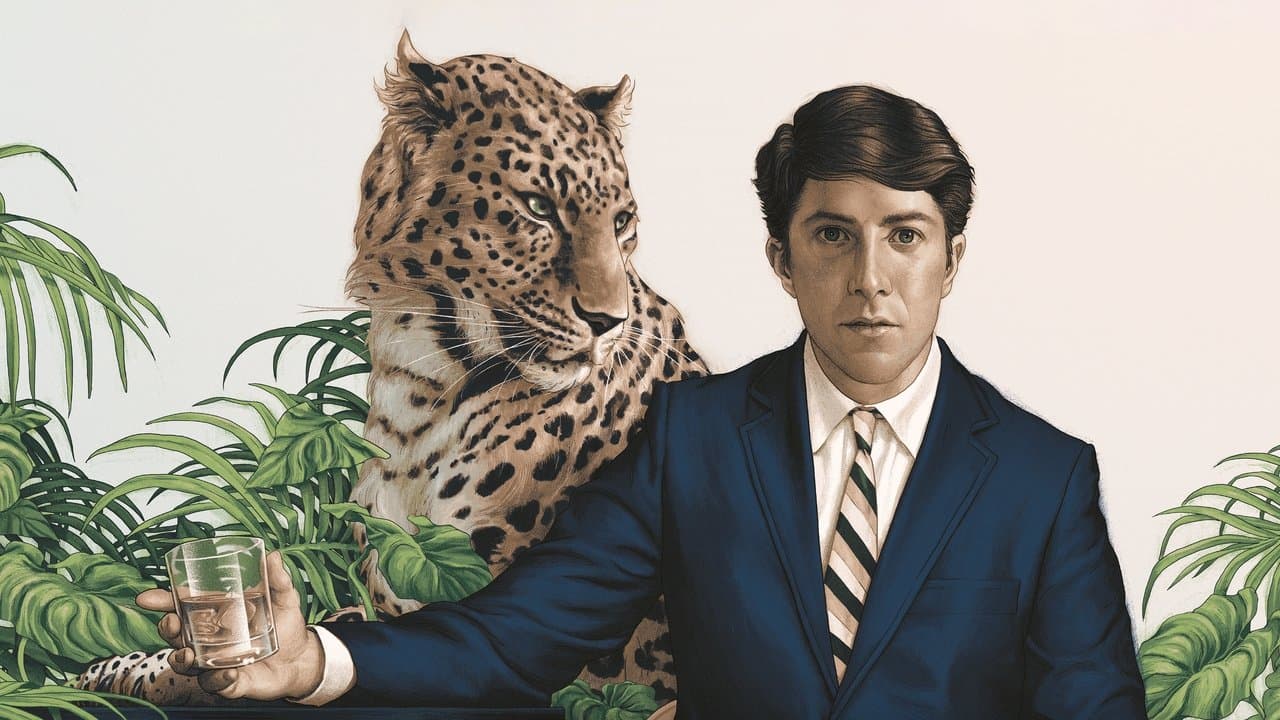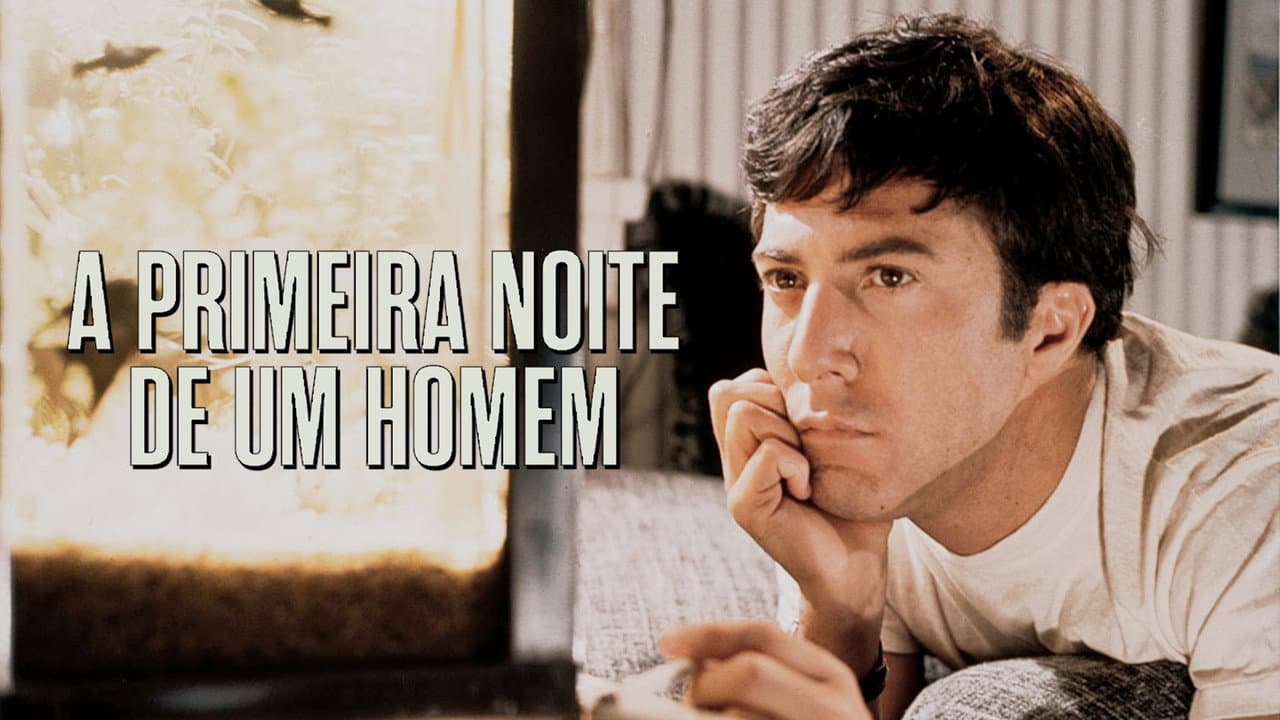
Dustin Hoffman didn't exactly look back on his breakthrough role with fondness. The actor has described making "The Graduate" as a "terrible experience," a surprising admission about one of the most beloved films of the 1960s. The Mike Nichols comedy-drama, released on December 21, 1967, turned Hoffman into a star overnight, but the process of getting there left him miserable.
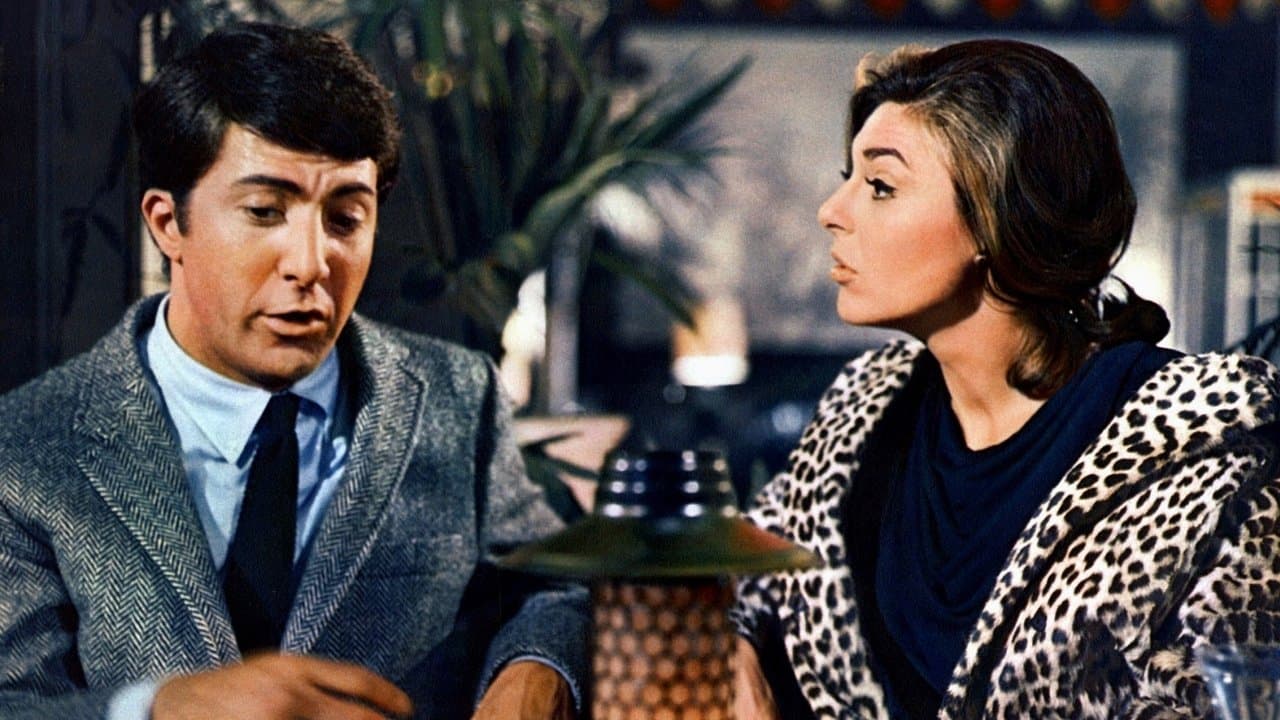
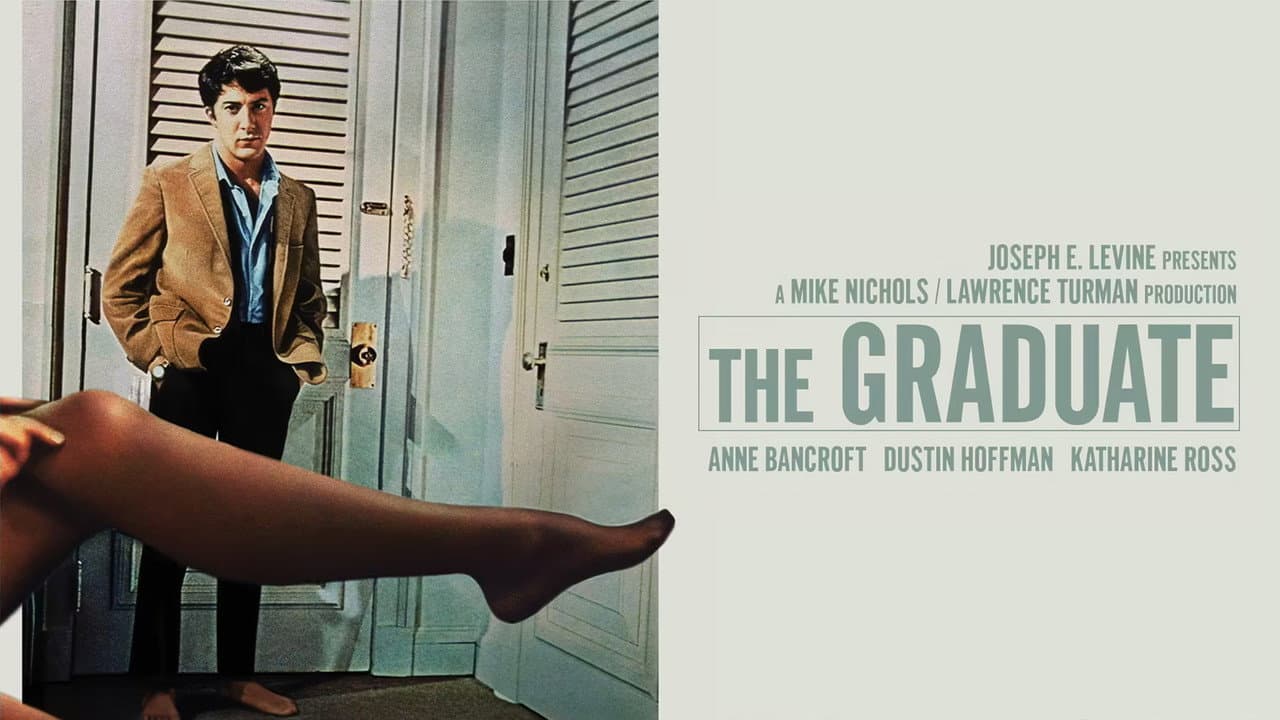
Hoffman played Ben Braddock, a confused college grad drifting through his post-diploma life in suburban Los Angeles. Ben finds himself caught between an affair with the older Mrs. Robinson, played by Anne Bancroft, and a romance with her daughter Elaine, played by Katharine Ross. What sounds like a dream scenario on paper was, for Hoffman, closer to a nightmare on set.
A Breakthrough Role That Felt Like a Burden
The confession makes a certain amount of sense when you remember what the 107-minute film was asking of its lead. Hoffman was not the studio's first choice, and he has long been open about the insecurity he felt during production.
Hoffman was still a relative unknown when he landed the part, while Bancroft was an established, Oscar-winning presence. That power imbalance gave him plenty to be anxious about.
The film's subject matter didn't help matters either. Playing a young man seduced by his girlfriend's mother is one thing on paper. Selling that dynamic on screen, take after take, with a much more seasoned scene partner is something else entirely.
"I was terrified," Hoffman said.
The Role That Changed His Life
Here's the irony: the experience that Hoffman remembers as "terrible" is the one that made him one of the most respected actors of his generation. "The Graduate" was a critical and commercial phenomenon in 1967 and went on to win the Academy Award for Best Director for Mike Nichols.
More than five decades later, the film holds a 7.627/10 rating on TMDb, a testament to how well it has aged with audiences. Its story of a disillusioned graduate torn between his older lover and her daughter still resonates, and its place in the Hollywood canon is secure. Few films are quoted, referenced, and parodied as often.
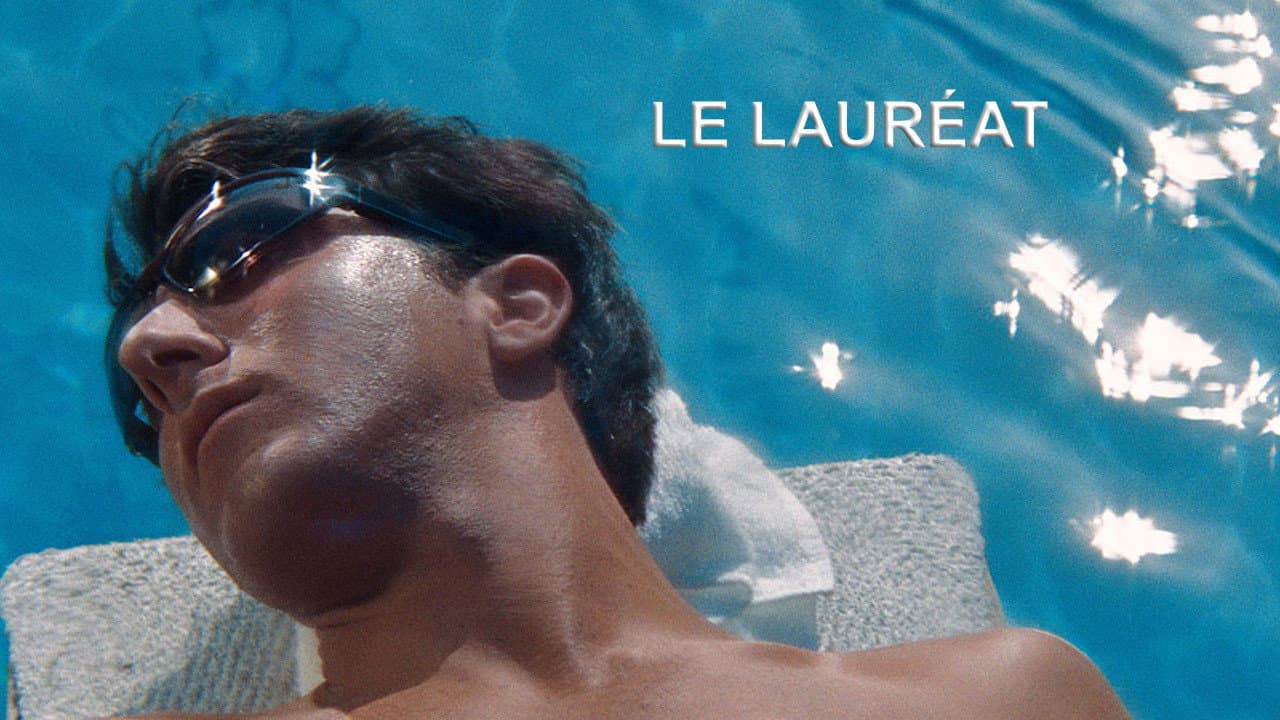
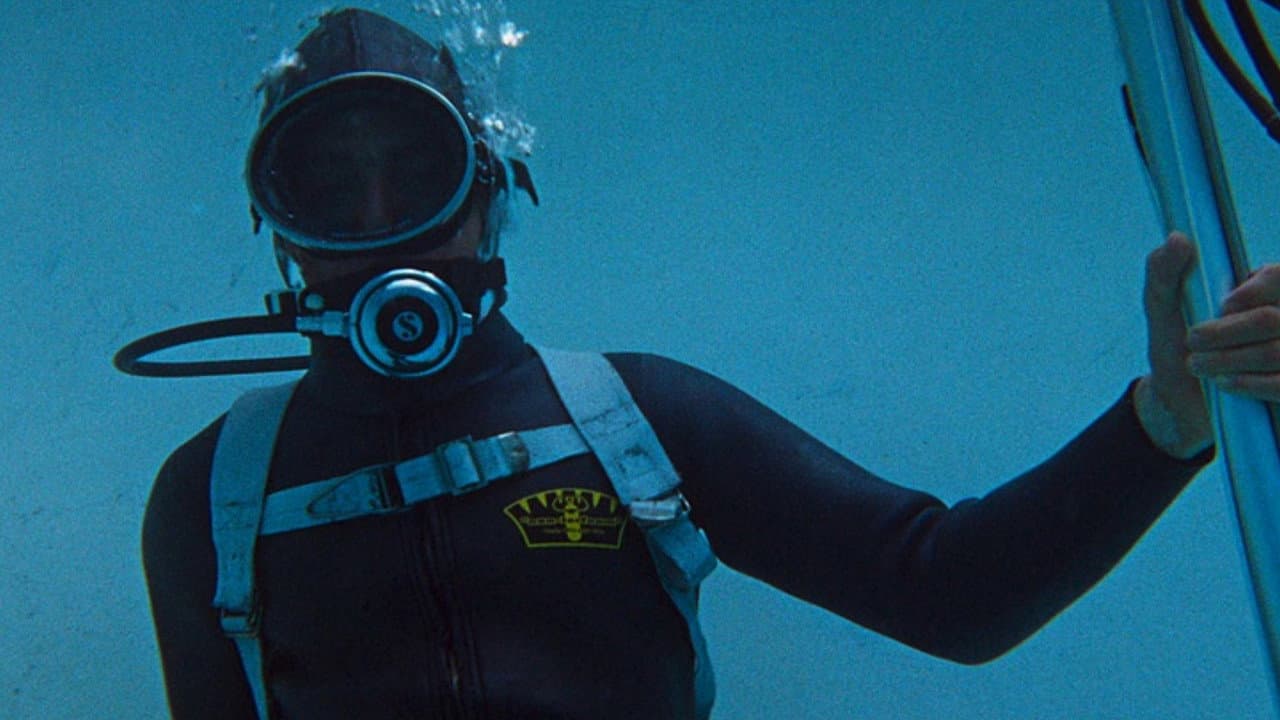
What's fascinating is that the on-screen result gives no hint of the off-screen misery Hoffman describes. Ben Braddock's deadpan bewilderment, his awkward shuffle through his parents' cocktail party, that famous pool sequence - it all plays with effortless comic timing. If Hoffman was suffering, it doesn't show. Romantic comedies live and die by chemistry, and the film's central triangle crackles with it.
A Star-Studded Supporting Cast
Hoffman wasn't carrying the film alone. Bancroft's Mrs. Robinson became one of cinema's most iconic characters, and Ross brought warmth and steel to Elaine. William Daniels and Elizabeth Wilson played Ben's worried parents, Mr. and Mrs. Braddock, while Murray Hamilton and Brian Avery rounded out the cast as Mr. Robinson and Carl Smith. Buck Henry, who co-wrote the screenplay, also pops up as the hotel room clerk.
Why the Story Still Hits
So why does a movie this old still get talked about? Partly because the film captures a very specific generational anxiety and makes it funny. Surrounded by cynical adults, Ben is a young man with no idea what to do next. The movie's underlying question - what happens when the life your parents want for you collides with the life you actually want - hasn't lost any relevance.
The romance between Ben and Elaine gives the story its emotional core, and the comedy keeps it from sinking into melodrama. It's a balance that seems easy until you try to describe it to someone who hasn't seen it. A disillusioned college graduate, his older lover, her daughter. That's the whole premise, and it works.
What This Says About the Movies We Love
Hoffman's confession is a reminder that great films don't always come from pleasant sets. Actors often talk about the gap between what a production feels like from the inside and what audiences eventually see. Sometimes that gap is enormous.
For Hoffman, "The Graduate" was evidently closer to dread than delight. "It was a terrible experience," he recalled. "Everyone thought it was so funny."
Yet the film turned him into a leading man and earned its place in Hollywood history. For viewers discovering it today, none of that backstage pain shows through. What's left is the movie itself: sharp, romantic, funny, and still worth a rewatch.
Source: Fox News