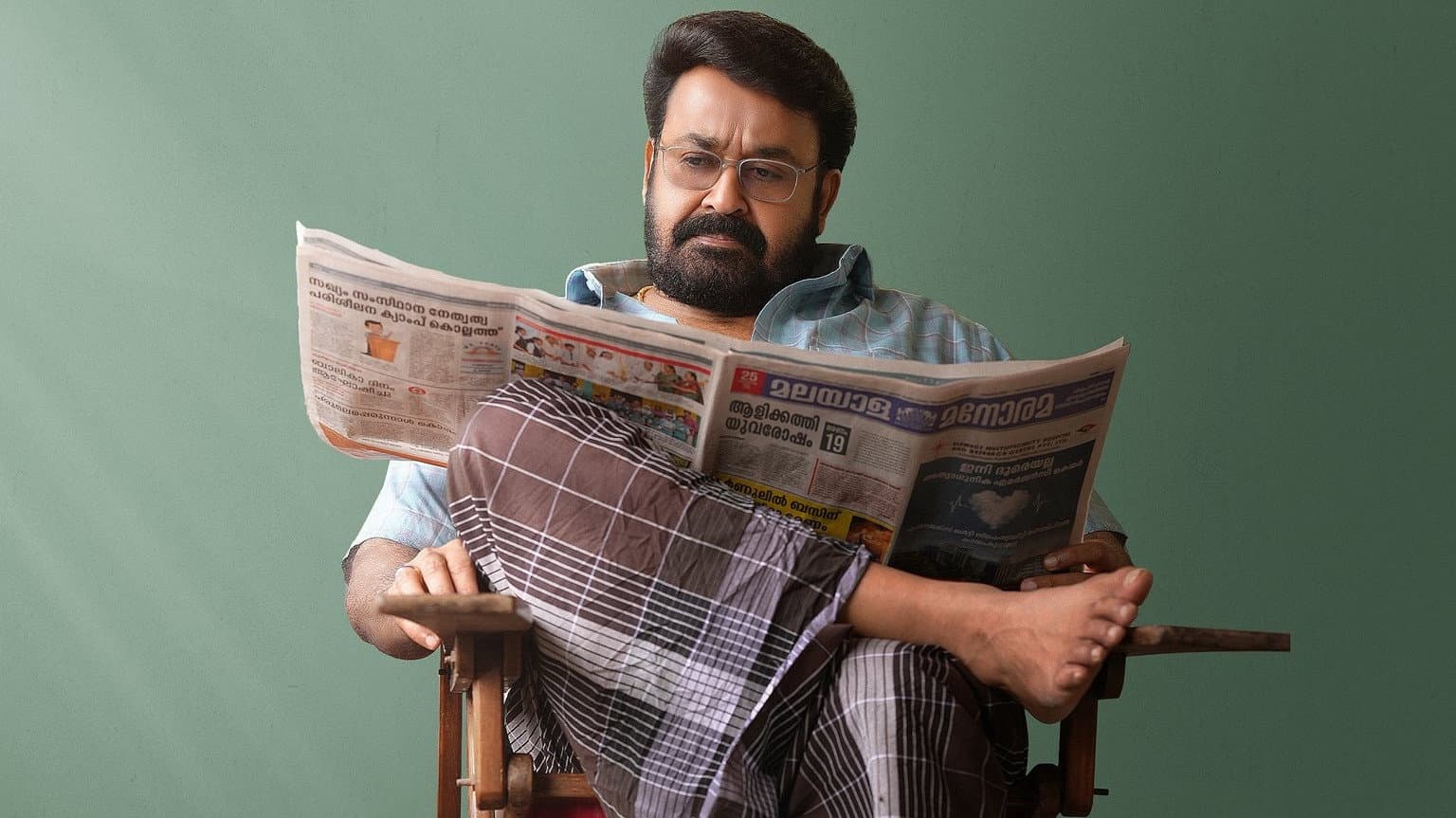
Hollywood has spent years raiding Asian cinemas for remake material, and the latest shopping spree has a distinctly Indian flavor. Three recent hits from India - the long-running mystery thriller franchise Drishyam, the revenge drama Maharaja, and the ultraviolent action ride Kill - are all being developed for English-language audiences, according to a report making the rounds this week. If that sounds like a lot of translation happening at once, that's because it is. Tinseltown has apparently decided the best way to keep its thriller pipeline full is to borrow from a film industry that never stops churning them out.
The appeal isn't hard to decode. Each of these titles arrives with something Hollywood loves: a hook you can pitch in a single sentence. Drishyam is the story of an ordinary man who uses his wits - and an encyclopedic knowledge of movies - to protect his family when a crime turns their quiet life upside down. It's the kind of premise that travels, as the film's own history proves. Maharaja, meanwhile, centers on a seemingly mild-mannered barber on an obsessive quest, a setup that flips expectations in ways that play equally well in any language. And Kill is, well, exactly what the title promises: a train-bound bloodbath that turned heads for its relentless, claustrophobic action.
A Franchise That Has Already Proven It Travels
Drishyam is arguably the safest bet in the bunch, because it's been reinvented before - repeatedly. The story first took off in Malayalam before getting its own Hindi-language version, and it's been remade in multiple other languages across India. A Hollywood pass is the logical next step, and it's easy to see why executives would salivate over a twisty, family-at-the-center thriller that keeps audiences guessing. The franchise's later installments pushed the saga in darker, more morally complicated directions, which gives any English-language adaptation plenty of runway to build its own universe. Think of it as a mystery box with a proven track record of keeping the lid on.
The real question is casting. The original films lean on a everyman lead whose quiet intelligence does all the heavy lifting, and Hollywood has no shortage of actors who excel at looking ordinary right up until they don't. A well-chosen star could turn this into a prestige thriller with franchise ambitions, or a mid-budget sleeper that quietly cleans up. Either way, the material has already survived more translations than most scripts see in a decade.
Maharaja Brings the Slow-Burn Revenge
If Drishyam is the wily strategist of the group, Maharaja is the emotional gut punch. The film follows a barber whose search for something precious lost to him spirals into a story about grief, class, and payback. Its structure - patient, then devastating - is the sort of thing that wins over festival crowds and word-of-mouth audiences alike. A remake would need a filmmaker with real restraint, because the movie's power comes from what it withholds before it unloads. Handled right, it's awards-bait adjacent. Handled wrong, it's just another revenge movie. The margin for error is thin, but the upside is enormous.
Kill Is Coming for Action Fans
Then there's Kill, the outlier and possibly the most intriguing of the trio. Set almost entirely on a moving train, it's a lean, mean action machine that made waves for its brutal fight choreography and zero-interest-in-mercy attitude. Hollywood has been chasing that kind of visceral, single-location action ever since the John Wick era kicked the door open, so a remake feels less like a gamble and more like a no-brainer. The challenge here isn't story - it's staging. The original earned its reputation on the strength of its set pieces, and any English version will live or die on whether it can match that physical intensity. Expect stunt coordinators to be the real stars of the development process.
Why This Wave Matters
Taken together, the three projects tell a bigger story about how Hollywood sources material right now. Foreign-language hits used to be remade quietly and often badly. Today, studios are moving faster and aiming higher, largely because international audiences and streaming platforms have made these titles globally familiar before any remake even starts. A movie like Kill doesn't need to be explained to executives anymore - they've already seen it trend.
For Indian cinema, the upside is obvious: more attention on the originals, more leverage for the filmmakers behind them, and a louder seat at the table. For Hollywood, it's a chance to mine stories that have already been stress-tested in front of millions of viewers. Whether all three stick the landing is a question for another day. But the message is clear enough - Hollywood has stopped window-shopping and started filling its cart.
Source: theweek.in