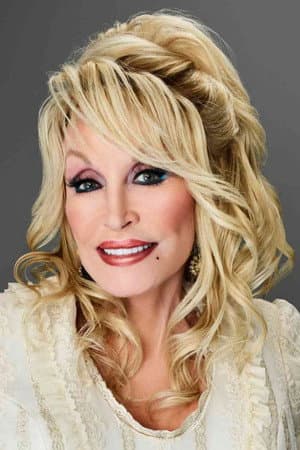
Dolly Parton has worn a lot of hats over the decades - singer, songwriter, business mogul, theme park visionary - but it’s her time in front of the Hollywood camera that keeps popping up in the cultural conversation. With the legendary entertainer’s filmography getting a fresh spotlight, fans are once again revisiting the era when Parton traded the Grand Ole Opry for the silver screen, cementing her status as a bona fide movie star alongside her music career.
The renewed buzz centers on Parton’s most celebrated big-screen work, particularly the enduring favorite Steel Magnolias. That 1989 dramedy remains the touchstone of her acting résumé, a film that paired her with an all-star ensemble and showcased a more vulnerable, heart-wrenching side of the woman known for rhinestones and one-liners. For many viewers, her portrayal of the wisecracking but deeply loyal Truvy Jones is the definitive Parton performance - full of warmth, wit, and just the right amount of Southern sass. It’s the kind of role that proved she wasn’t just a musical novelty act dabbling in movies; she was a genuine talent who could hold her own against acting heavyweights.
But to talk about Steel Magnolias without mentioning 9 to 5 would be like talking about country music without mentioning a steel guitar. That 1980 comedy, where Parton starred alongside Jane Fonda and Lily Tomlin, was nothing short of a cultural earthquake. It took aim at workplace sexism with a sharp, comedic edge, and Parton’s character, the perpetually harassed secretary Doralee Rhodes, became an instant icon. The film’s legacy has only grown over time, spawning a television series and a Broadway musical, and it remains a favorite for audiences who love their rebellion with a side of laughter. Watching Parton stand up to her lecherous boss (played with gleeful sleaze by Dabney Coleman) is still a cathartic thrill decades later.
What’s interesting about Parton’s Hollywood years is how she navigated them on her own terms. She didn’t chase blockbuster after blockbuster; instead, she picked projects that fit her persona - strong, independent women with a sharp tongue and a soft heart. From The Best Little Whorehouse in Texas to Rhinestone (a film she’s been famously candid about, even joking about its less-than-stellar reception), she approached every role with the same infectious energy that defined her music. Even when the critics were harsh, Parton’s sheer charisma often made the movies worth watching. She understood the assignment: be unforgettable, no matter the material.
The industry took notice, too. During the 1980s, Parton was one of the most bankable female stars in Hollywood, a rare feat for a woman who came from the country music world. She didn’t just cross over; she dominated. Her ability to balance a thriving music career with a successful film run was almost unprecedented, and she did it all while maintaining her meticulously crafted public image. There’s a reason why she’s beloved across so many demographics - she seems to genuinely enjoy every medium she touches, and that joy translates directly to the screen.
Though her on-screen appearances have become less frequent in recent years - she popped up in Joyful Noise in 2012 and lent her voice to animated features - the impact of that vital Hollywood period remains. Every time 9 to 5 airs on cable or Steel Magnolias gets a revival screening, a new generation discovers why Parton’s star power translated so effortlessly from the stage to the screen. Her filmography might not be vast, but it’s memorable, and in an age of endless reboots, there’s a growing chorus of fans hoping she’ll take one more bow in front of the cameras.
For now, the spotlight on her Hollywood years serves as a reminder that Dolly Parton is more than just a music legend. She’s a pop culture phenomenon who conquered every arena she entered, with a smile, a wig, and a work ethic that could move mountains. Whether you first met her as the fiery secretary fighting the system or as the beauty shop owner keeping her community together, one thing is clear: Hollywood was lucky to have her, and we’re lucky she left such a sparkling mark on it.
Source: WSJ