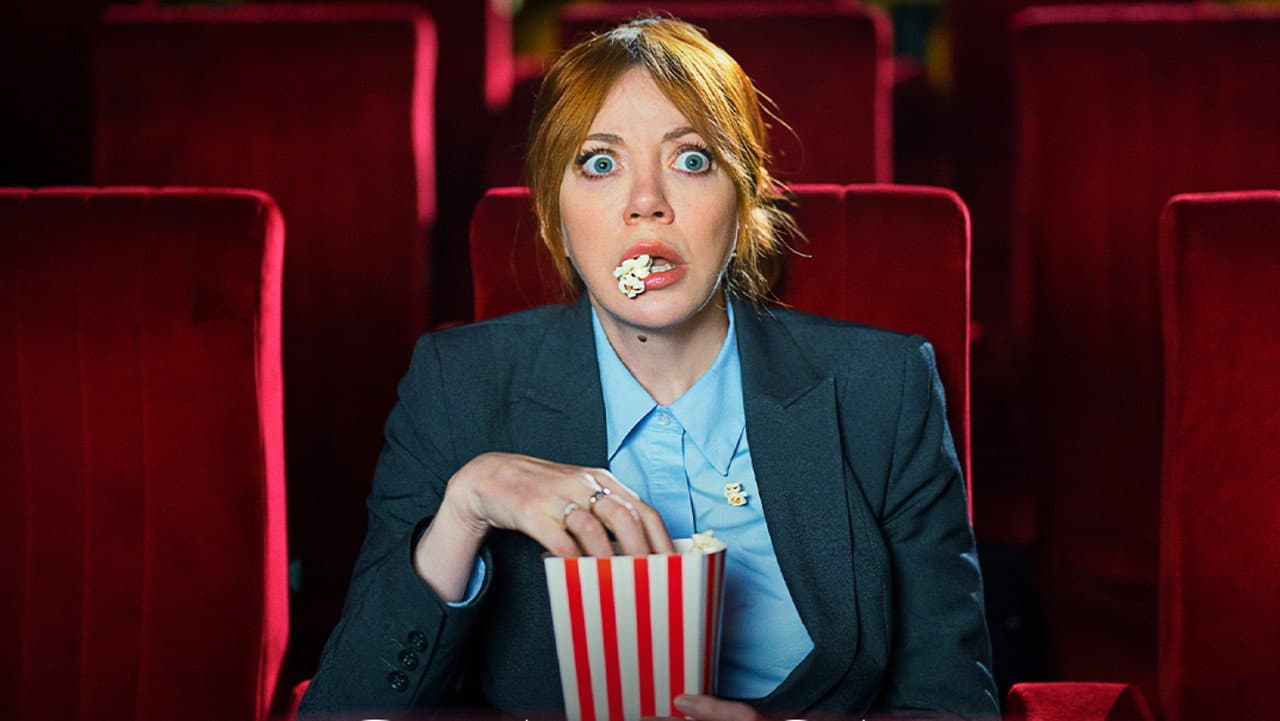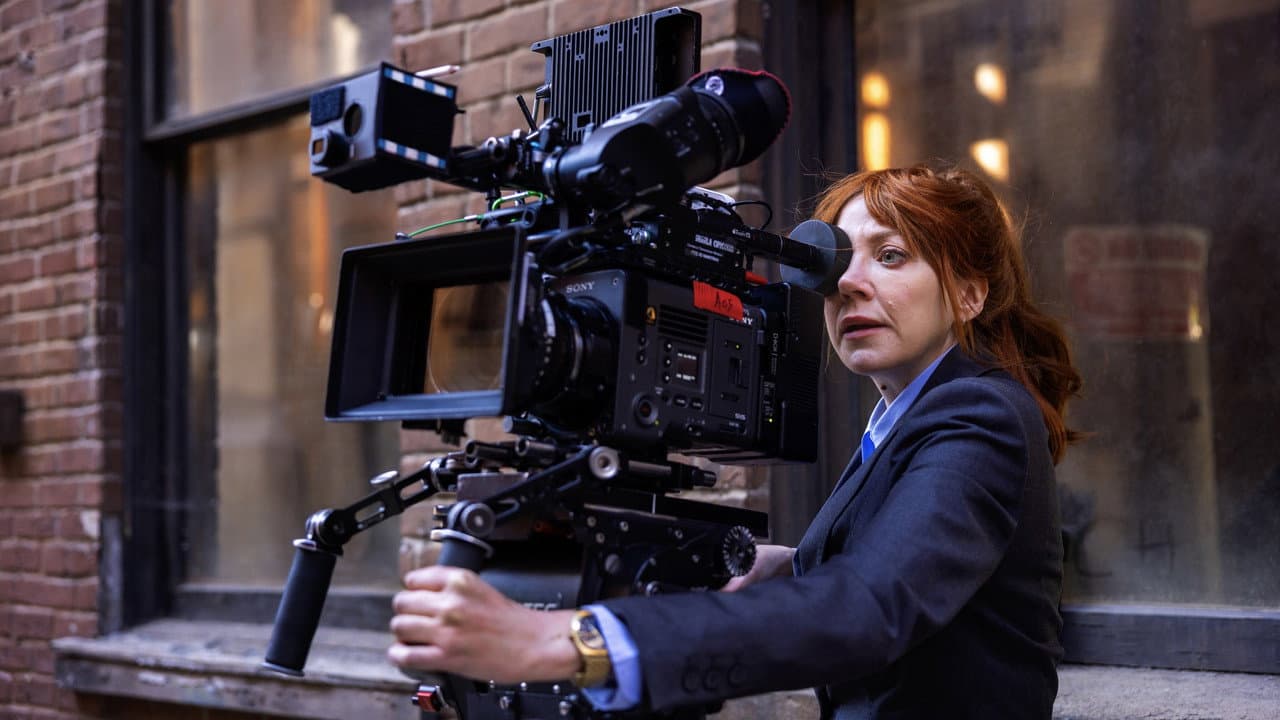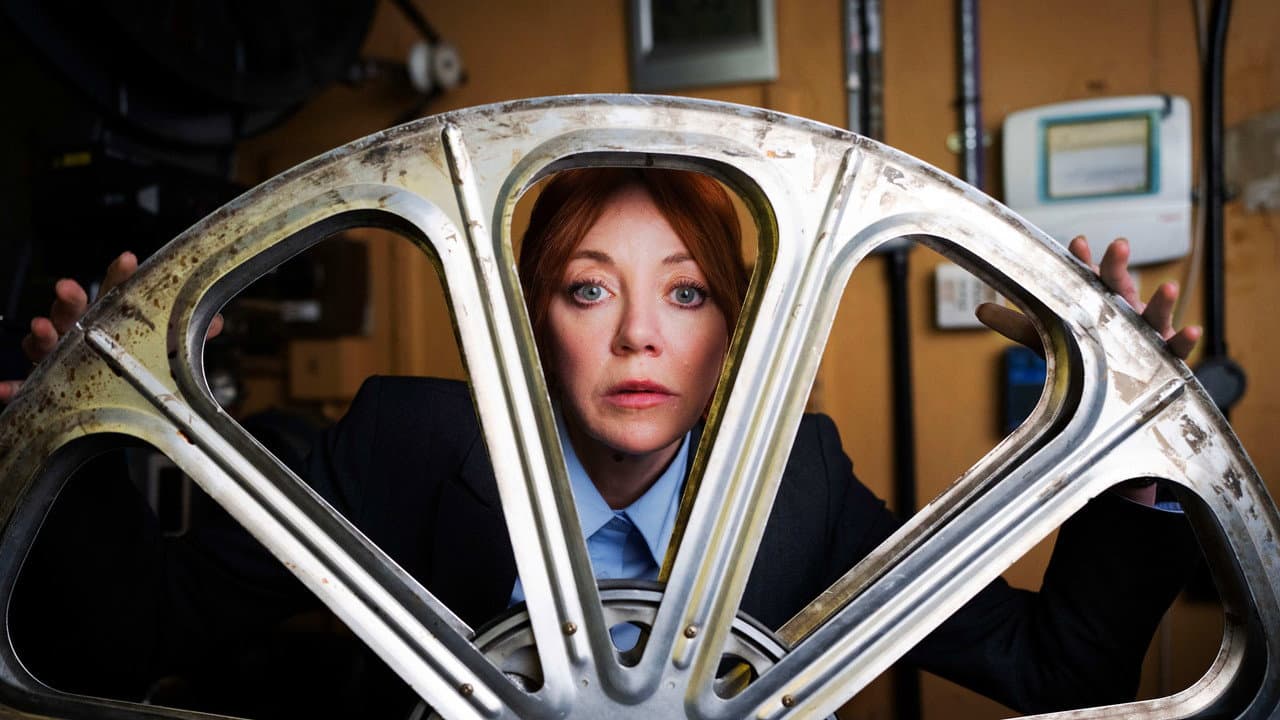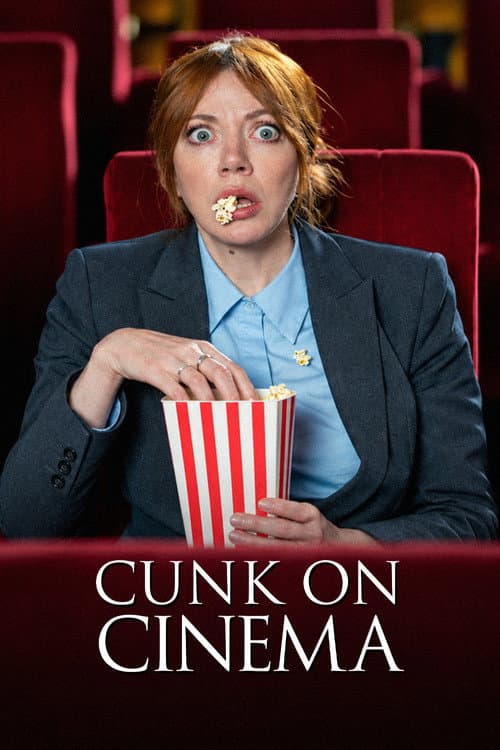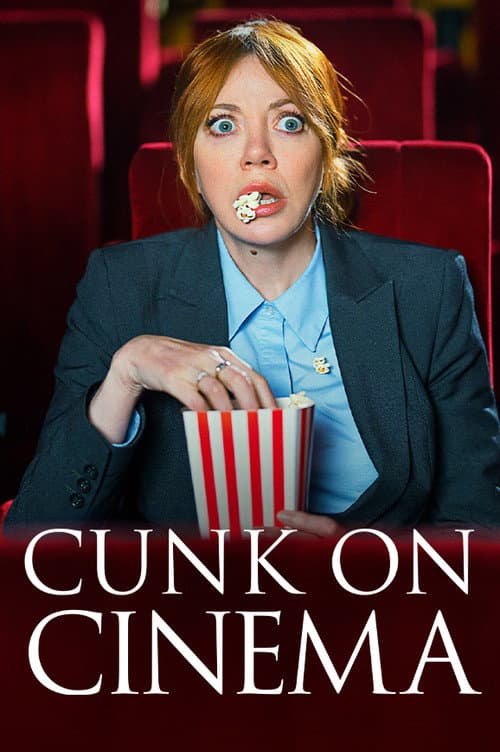


Philomena Cunk has turned her bewildered gaze on the movies, and Hollywood may never recover. Cunk on Cinema, the latest mockumentary special starring Diane Morgan as the perpetually confused cultural correspondent, arrived on November 12, 2026, and it wastes no time proving that no subject is too sacred - or too obvious - for Cunk to misunderstand completely. The premise is simple enough: Cunk sets out to demystify the entire history of cinema, from the invention of the camera to the New Wave filmmakers of the sixties, right through to the arrival of CGI and the looming question of what AI means for the movies. Naturally, she does this while parked in a lumpy theater seat with stale popcorn, asking the kind of questions that make film professors reconsider their career choices.
What follows is a whirlwind tour of film history conducted by someone who seems genuinely unsure whether cinema is a place, a person, or a particularly long advertisement. Cunk poses the big questions with a straight face: Where did cinema come from? Why? What does it want? And why can't it tell us? It's the sort of existential interrogation you'd expect from a philosopher, delivered by a woman who may not fully grasp that the pictures on screen aren't happening live behind the wall.
The Experts Are the Real Victims
As always, the secret weapon of the Cunk formula is the interview subjects. Academics, historians, and industry veterans sit down expecting to discuss the artistic merits of the French New Wave or the technical revolution of digital effects, only to be asked something so profoundly silly that their composure visibly crumbles. The result is a parade of polite smiles, pained silences, and the occasional brave attempt to answer a question that has no answer because it shouldn't have been asked in the first place. Morgan plays the whole thing with an unshakeable sincerity that sells every absurdity, which is precisely why the bits land as hard as they do. She isn't winking at the audience; Cunk genuinely wants to know, and that earnestness is the engine of the entire joke.
The special covers a lot of ground for something so committed to going nowhere. The birth of the camera gets the Cunk treatment, as does the sixties explosion of experimental filmmaking, and the modern era of computer-generated spectacle. Each era becomes an opportunity for Cunk to reduce grand artistic movements to their most baffling components, treating cinematic history less like a timeline and more like a series of things that happened to other people for reasons nobody bothered to explain to her.
A Format That Keeps on Giving
By now, the Cunk character has become something of a fixture, and Cunk on Cinema shows the format still has plenty of mileage. The mockumentary style works because it respects its audience enough to play everything dead straight - no laugh track, no mugging for the camera, just one woman asking increasingly unanswerable questions while the real world tries to keep up. It's a delicate balance, and Morgan makes it look effortless. The film history angle gives the writers a deep well of material to draw from, since cinema is full of lore, legend, and self-importance just begging to be punctured by someone who wants to know whether the camera was invented before or after the wheel.
Genres like this live or die on the strength of their running gags, and Cunk on Cinema leans into its central joke without ever letting it wear thin. It's comedy as documentary, documentary as comedy, and a reminder that the best way to celebrate something you love is sometimes to poke gentle, relentless fun at it.
The Verdict
Critics and audiences appear to be on the same page here. The special currently sits at a strong 8 out of 10 on TMDb, a rating that suggests viewers are more than happy to follow Cunk down every nonsensical rabbit hole she can find. In an era when film discourse often takes itself very seriously indeed, there's something refreshing about a special that treats the whole enterprise as a delightful mystery nobody has adequately explained. Cunk on Cinema doesn't answer any of the big questions about where cinema came from or what it wants - but it does make asking them deeply, wonderfully funny.
Source: The Guardian