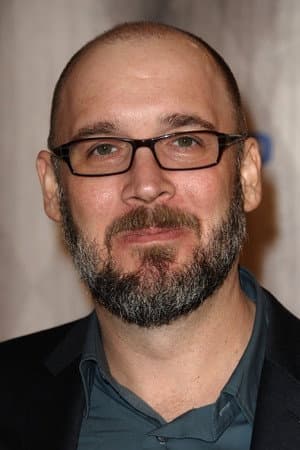
A production assistant has filed a lawsuit against Ed Brubaker, the showrunner behind Amazon’s Criminal, along with Amazon MGM Studios, alleging a hostile work environment that reads less like a comic-book caper and more like a workplace nightmare. The suit, filed this week, claims that the celebrated crime writer - known for his gritty graphic novels like Gotham Central and Sleeper - oversaw a set culture that crossed professional lines, leaving staff feeling harassed and demeaned. While the specific allegations haven’t been fully unsealed in public records yet, the filing paints a picture of a production where creative tension curdled into something far more personal.
Here’s what we know so far: the plaintiff, a production assistant whose name has been redacted in early court documents, accuses Brubaker of creating an environment where verbal abuse and inappropriate behavior were the norm rather than the exception. The complaint reportedly details incidents where the showrunner’s temper flared in ways that went beyond standard on-set stress, targeting junior staff with humiliating remarks and, in some cases, allegedly making crude comments that made the workplace feel unsafe. Amazon MGM Studios, as the production entity behind the series, is named as a co-defendant, with the suit arguing that the company failed to step in despite complaints being raised through official channels.
For those unfamiliar with Brubaker’s pedigree, this is a seismic shift in narrative. The writer has spent decades building a reputation as a thoughtful, meticulous craftsman - a guy whose work digs deep into the psychology of criminals and the flawed systems that chase them. He’s won Eisner Awards, collaborated with industry legends like Sean Phillips, and transitioned to television with high hopes when Criminal was greenlit. The show, based on his and Phillips’ acclaimed comic series, was meant to be a prestige thriller for Amazon’s slate, a dark, pulpy exploration of crime interwoven across generations. Instead, it’s now the center of a legal battle that could derail its momentum.
The timing is particularly awkward. Criminal had already faced production hiccups - delays, reshoots, the usual chaos of big-budget streaming - but this lawsuit adds a layer of toxicity that studios dread. Legal experts note that hostile work environment claims in Hollywood have gained significant traction post-#MeToo, with courts less willing to shrug off behavior that might once have been dismissed as "just how sets are." If the PA’s allegations hold up, Amazon MGM could face not just financial penalties but reputational damage, especially as the industry remains under a microscope for how it treats below-the-line workers.
Brubaker’s camp hasn’t issued a formal statement yet, though sources close to the writer suggest he plans to "vigorously defend" against what he considers exaggerated or mischaracterized events. His attorney, reportedly, is preparing a motion to dismiss, arguing that the suit relies on hearsay and lacks the specificity needed to prove a patterned culture of hostility. Meanwhile, Amazon MGM has remained characteristically tight-lipped, offering only boilerplate language about taking allegations seriously while they review the matter internally.
What complicates this case is the power imbalance baked into production hierarchies. A production assistant is often the lowest rung on the ladder - overworked, underpaid, and entirely dependent on the goodwill of above-the-line talent for their next gig. The suit likely hinges on whether Brubaker’s alleged behavior created an environment so toxic that it became a condition of employment, which is the legal bar for hostile work claims. That’s a high threshold, but not an impossible one, especially if multiple witnesses corroborate the PA’s account.
For fans of Criminal, there’s a bitter irony here. The show’s source material is all about moral rot and the consequences of bad choices, often glimpsed through the eyes of society’s cast-offs. Now, the production itself is embroiled in a real-world drama that echoes those themes. Early episodes were already generating buzz for their moody cinematography and star-studded cast, but this lawsuit threatens to overshadow the creative work. Streaming platforms, unlike traditional studios, are quicker to cut ties with talent when legal clouds gather - just ask a certain actor who used to star in a superhero franchise. If Amazon MGM decides to distance itself from Brubaker, the show’s future could pivot entirely, either to a new showrunner or to the scrap heap of abandoned projects.
As of today, September 4, 2026, no court date has been set, and both sides are likely gearing up for a protracted legal dance. Depositions could drag on for months, pulling other crew members into the spotlight and forcing uncomfortable conversations about what really happened behind closed doors. For now, the industry is watching with a mix of schadenfreude and unease - another cautionary tale about the gap between creator mystique and on-the-ground reality.
The bigger question is whether this sparks a broader reckoning for showrunners who fancy themselves auteurs. Criminal was pitched as a passion project, a chance for Brubaker to translate his voice to the screen without studio interference. That autonomy, however, comes with accountability. If the PA’s claims prove credible, it’ll be another mark against a system that often grants creative geniuses an alarming amount of leash. And if the suit collapses, it reinforces how hard it remains for junior staff to speak up without career suicide.
Either way, it’s a messy story with no clean resolution yet. Stay tuned to MovieBuzz News as this develops - because in Hollywood, the sequel to every scandal is always more drama.
Source: The Hollywood Reporter