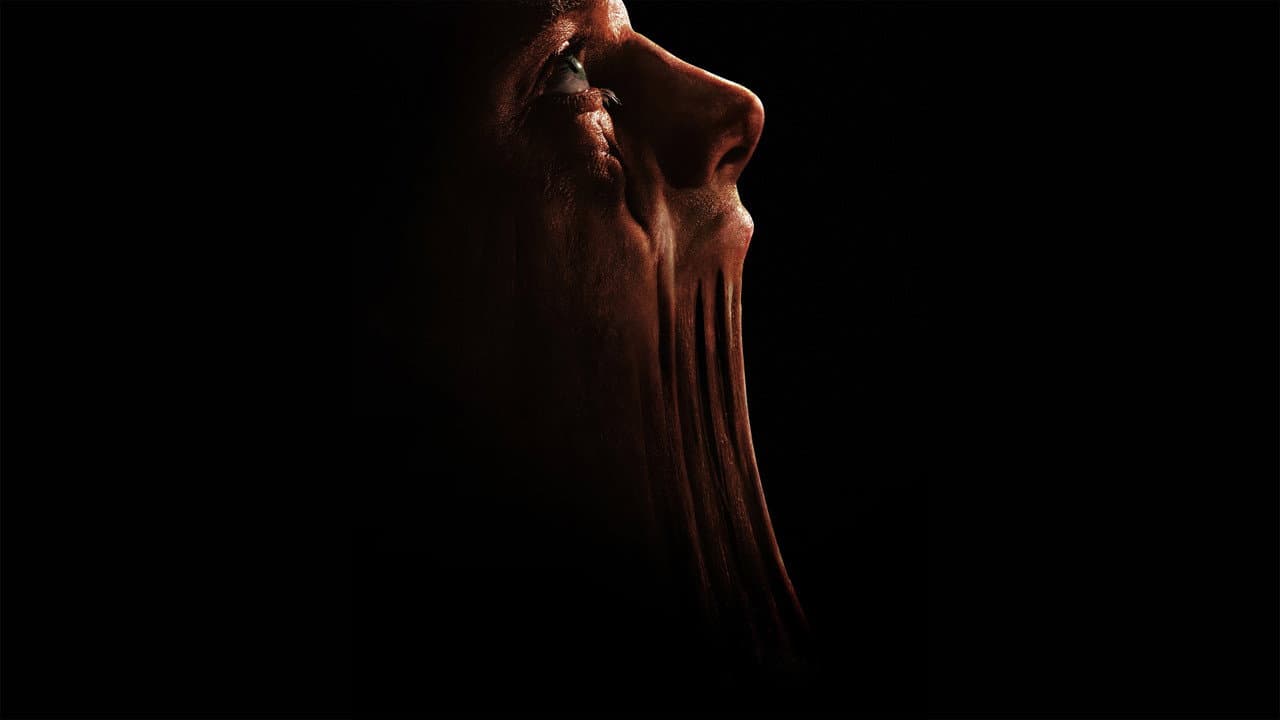
James Watkins wants to make one thing crystal clear about Clayface: just because the movie unfolds against the backdrop of Tinseltown doesn't mean audiences are getting a story about the movie business. The director, riding high on the film's October 19 release, explained that the Hollywood setting is a deliberate misdirection - a glittering surface designed to make the fall hurt that much more. "It's set in Hollywood but I didn't want it to be a Hollywood story," Watkins said, drawing a line between the world his characters inhabit and the kind of insider satire or backlot melodrama that setting usually implies. For Watkins, the zip code matters less than what it represents: a place where identity is manufactured, packaged and sold - which makes it the ideal breeding ground for a man who loses his grip on who he really is.
A Street Kid Turned Leading Man
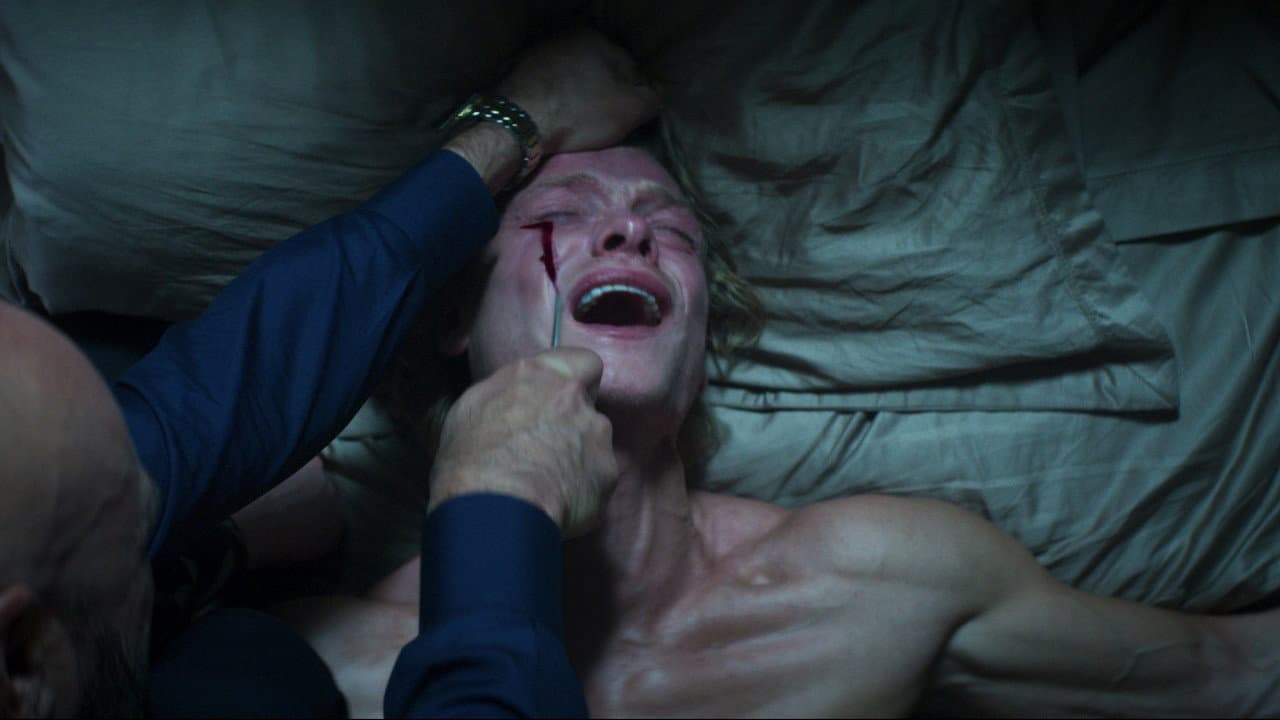
The film, which landed in theaters on October 19, follows Matt Hagen, played by Tom Rhys Harries, whose journey from Gotham's gritty streets to Hollywood's brightest marquees is the stuff of movie-magic dreams - until it isn't. When a local crime boss pulls a move that leaves Hagen hideously disfigured, the industry machine that built him up vanishes virtually overnight. His team abandons him, and with nothing left to lose, Hagen chases down a groundbreaking treatment that somehow restores him to his former self. But the miracle comes at a cost: the procedure also twists his perception of reality, sending him tumbling into a revenge spiral that's as destructive as it is all-consuming.
Watkins' insistence that this isn't a Hollywood story tracks with the film's DNA. While the backdrop is all premieres and palm trees, Clayface is billed as a horror-thriller with a science fiction spine - a genre cocktail that puts the emphasis on psychological unraveling rather than industry commentary. The director seems to be using Hollywood less as a subject and more as a symbol: a machine that can create a star and just as easily erase him.
A Cast Built for the Fall
Rhys Harries anchors the film as the man behind the malleable face, and he's surrounded by a supporting ensemble that gives the tragedy plenty of texture. Naomi Ackie plays Caitlyn Corr, with Eddie Marsan as Frank and Max Minghella as John Borrelli rounding out the principal players. David Dencik steps in as Marcos Jabo, while Francesca Corney, Ruby Sear and Wil Coban appear as Rosie, Theresa and Bones, respectively. It's a lineup that mixes serious dramatic heavyweights with rising talent - fitting for a story about a man whose own identity becomes the battleground.
The early returns suggest Watkins' bet on genre over industry navel-gazing is paying off. The film currently holds a 7.2 out of 10 rating on TMDb, a solid showing for a horror-tinged comic-book tale that's asking audiences to sit with a hero who's anything but heroic by the final act. Clocking in at 109 minutes, Clayface doesn't overstay its welcome, keeping the focus tight on Hagen's metamorphosis from scrappy striver to something far more unsettling.
The Treatment That Changes Everything
It's the treatment at the story's center that gives Clayface its sci-fi edge - and its nightmare fuel. Hagen's restoration is described as cutting-edge, a miraculous return to form that any disfigured performer would claw for. But the film's real horror isn't the disfigurement itself; it's what the cure does to his mind. Watkins and his team appear to be playing in the same sandbox as the great body-horror and identity-crisis thrillers, where the thing that saves you turns out to be the thing that breaks you. In a town famously obsessed with reinvention, that premise lands with a particular sting - even if Watkins insists the film is looking past the sign on the studio gate.
With its mix of horror, thriller and science fiction, Clayface arrives as one of the fall's more unusual offerings - a comic-book adaptation that leans into dread rather than spectacle. The disfigurement, the abandonment, the treatment gone wrong, the revenge: it's a classic tragic arc, dressed up in Hollywood lights. And if Watkins has his way, audiences will remember the man underneath the mask long after the credits roll - not the town he once called home.
Source: Cinema Express